

Finding a belt conveyor parts list sounds simple until you realize that most generic lists online won't match your actual equipment. The wrong reference leads to wrong orders, delayed production, and wasted money. The better approach is knowing exactly where to look — and what information you need before that list becomes useful.
The most reliable sources for a belt conveyor parts list are the original equipment manufacturer (OEM), the original supplier, and equipment manuals or bills of materials (BOMs) that shipped with the machine. When those aren't available, a professional conveyor parts supplier can help you identify components using photos, measurements, and old samples. A generic parts list can help you understand common components, but it is not a final purchasing reference.
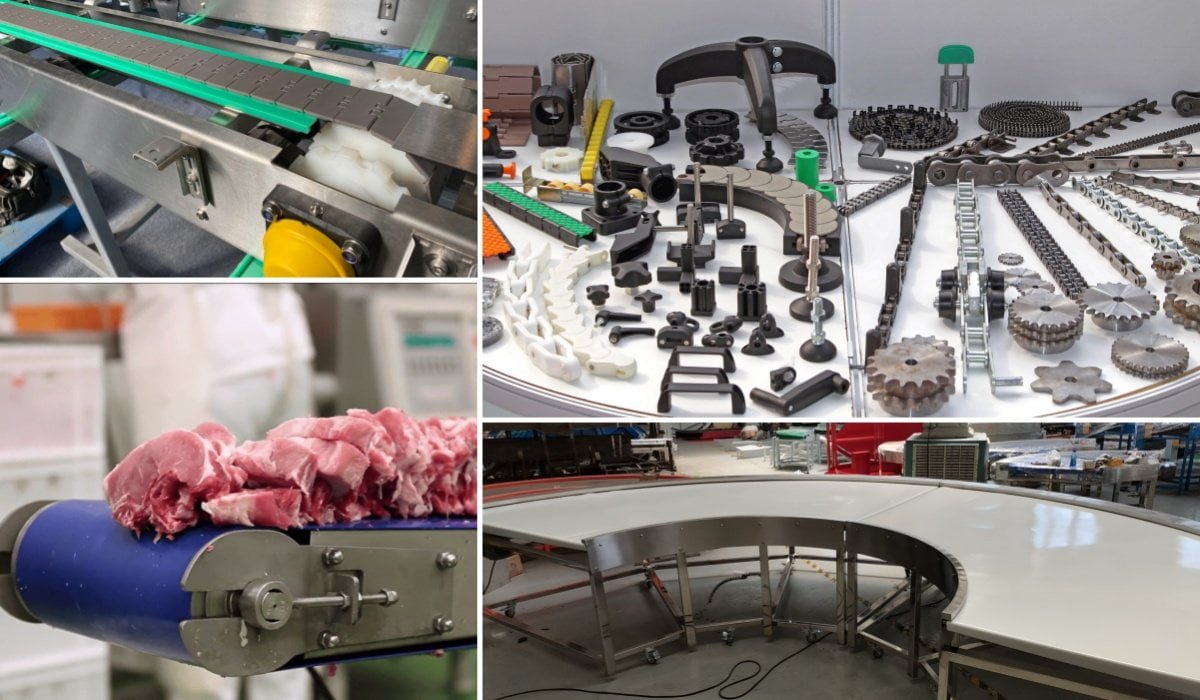
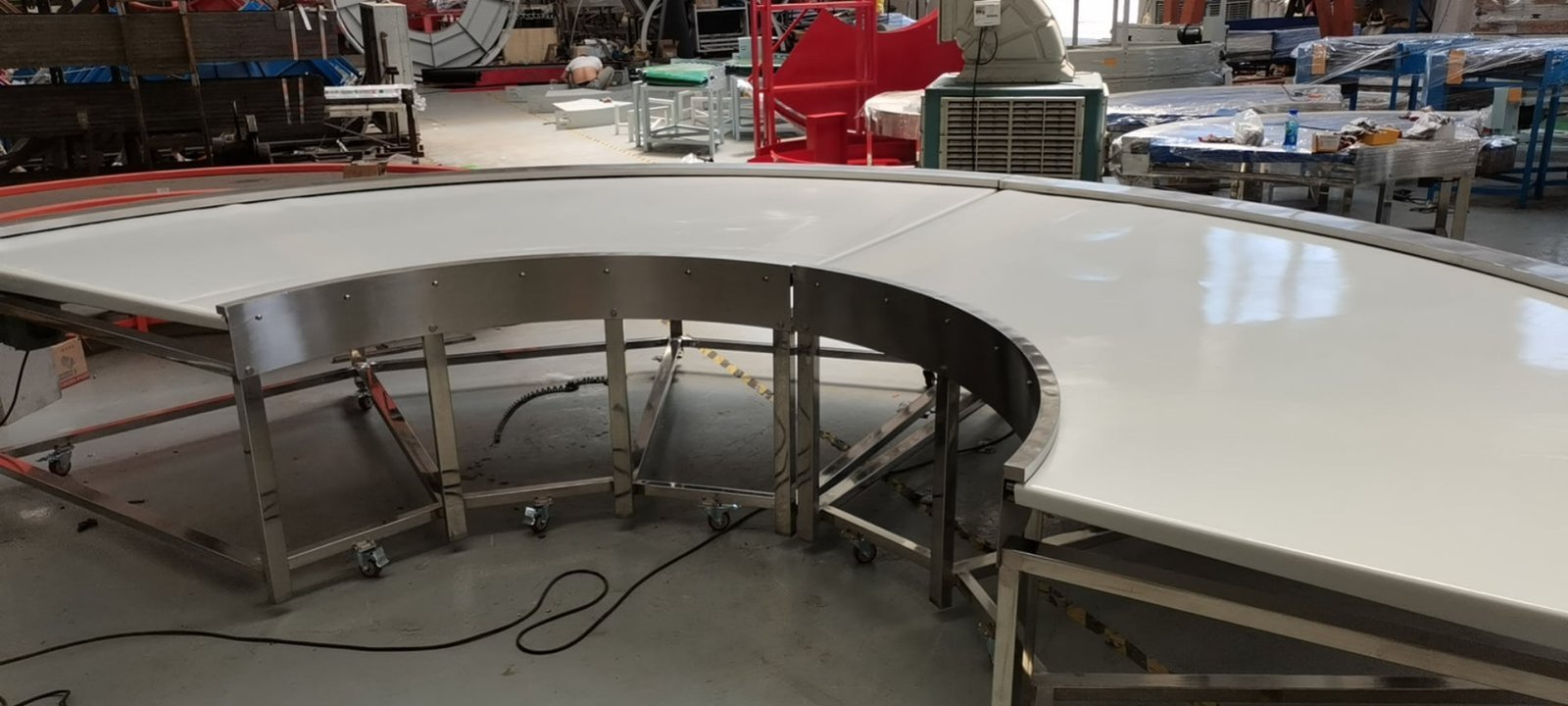
The challenge is that "belt conveyor" covers a wide range of machines — flat belt conveyors, incline conveyors, modular belt conveyors, and more1. Each has its own parts configuration. So the real question isn't just where to find a list — it's how to build the right one for your specific equipment. The sections below walk through exactly that.
What are the common parts on a belt conveyor parts list?
Most maintenance and procurement teams start here. You need to speak the right language before you can ask the right questions.
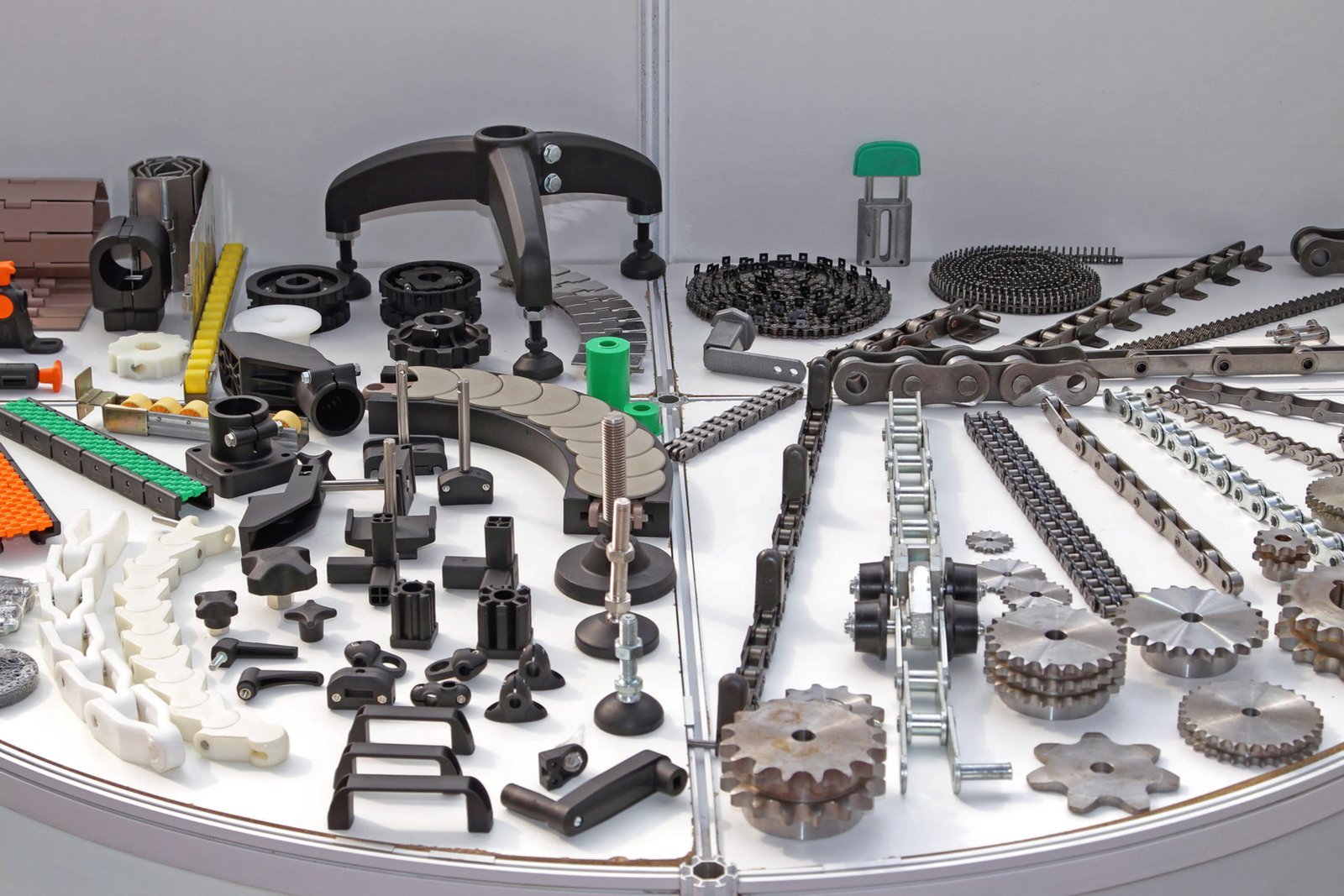
A standard belt conveyor parts list typically includes the conveyor belt, drive and tail pulleys, idler rollers, the frame and side guards, a motor and reducer, bearings, brackets, tensioning components, guide rails, wear strips, fasteners, and various accessories. These categories apply to most conventional belt conveyors as a starting framework.
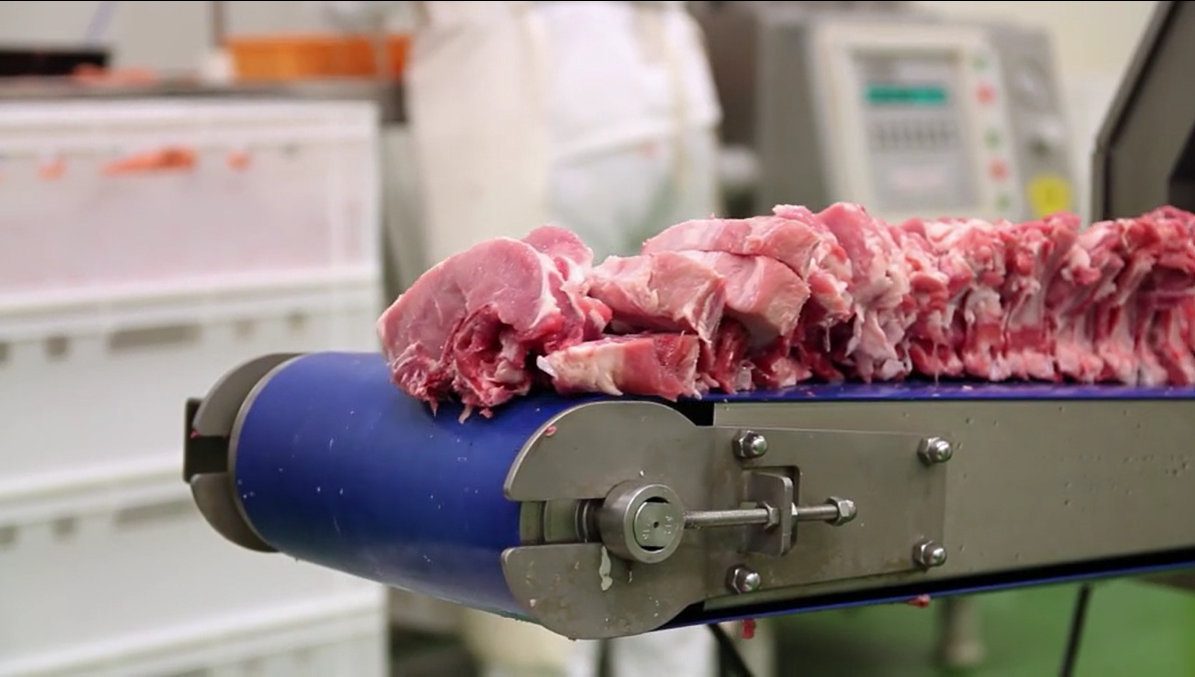
Understanding the categories is useful. But in my experience working with replacement inquiries, the part name alone rarely gets you to the right component. Here's why that matters.
The parts most commonly replaced or ordered
In practice, replacement and spare parts inquiries tend to cluster around a few categories:
- Conveyor belt — the most frequently replaced part; material, width, length, and splice method all vary
- Idler rollers and pulleys — shaft dimensions, diameter, and surface material determine fit
- Bearings — often a standard mechanical spec, but installation position and load rating matter
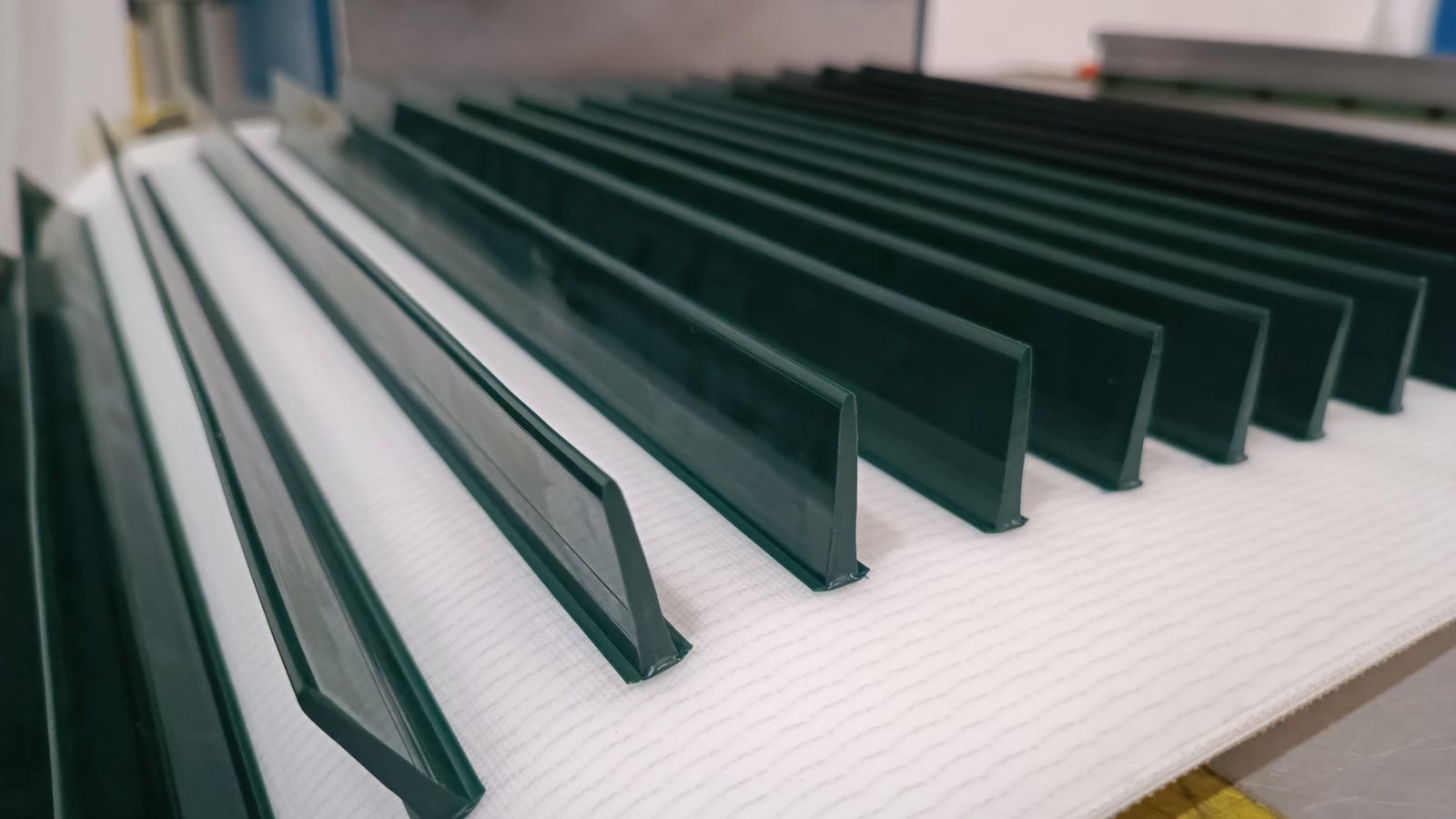
- Wear strips and guide rails — material and profile must match the belt and frame interface
- Tensioning components — including take-up units and adjustment screws; often specific to the frame design
- Fasteners and brackets — easy to underestimate; wrong dimensions mean poor fit or failure under load
Why a generic list is only a starting point
The same component name can refer to very different physical parts. A "flat belt" on a food-grade conveyor in a bakery and a "flat belt" on a bulk material conveyor in a warehouse share a name but differ in material, surface finish, thickness, and hygiene compliance requirements2.
Before any list becomes a purchasing reference, you need to layer in the actual equipment details. More on that below.
Where should I look for my equipment's specific parts list?
This is where most buyers get stuck. The equipment is running, something needs replacing, and there's no documentation on hand.
The most direct path is checking with your original equipment manufacturer or original supplier — they hold the build records and part numbers. If that's not an option, your equipment manual or BOM is the next best reference. When neither is available, a qualified conveyor parts supplier can often help you identify components from photos, samples, and measurements.
Let's go through each source with realistic expectations.
1. The original equipment manufacturer (OEM)
If you know who built your conveyor, contact their after-sales or spare parts department directly. OEMs often maintain build records, revision histories, and replacement part numbers. This is the most reliable route when the equipment is still in production or relatively recent.
Limitation: OEM parts may carry a premium price. Lead times can be long, especially for older machines. Some OEMs no longer stock parts for discontinued models.
2. The original supplier or integrator
If your conveyor came from a system integrator or a regional equipment distributor, they may have the original BOM or can act as an intermediary with the manufacturer. In many replacement inquiries I've handled, customers came to us after their original supplier had closed or was unresponsive — which is exactly when a third-party parts supplier becomes necessary.
3. Equipment manuals and BOMs
Many conveyors ship with a manual that includes a parts breakdown, exploded view diagrams, and part numbers. If your team has kept maintenance records, this is worth searching before contacting anyone.
If the manual is lost, check:
- The equipment's control panel or frame for a model/serial number plate
- Online databases for that manufacturer's documentation
- Your internal purchasing records from the original equipment purchase
4. A professional conveyor parts supplier
When documentation is unavailable, a supplier with manufacturing experience can often identify parts through a combination of photos, physical dimensions, old samples, and application details. At Molytech, this is a routine part of our inquiry process — customers send photos and measurements, and we cross-reference against known standards and our production specifications.
This approach works well but requires the customer to provide useful information. I'll cover what that looks like in the next section.
5. General product catalogs as a baseline reference
Catalogs from established component manufacturers — for belts, rollers, bearings, and wear parts — can give you a useful baseline for standard components. These are particularly helpful for identifying commodity items like bearings or standard fasteners where a size and material spec is usually enough to source an equivalent.
Caution: Don't use a general catalog to source application-specific parts like food-grade belts or pharmaceutical-line wear strips. The application context matters more than the catalog specification.
What information do I need before requesting a belt conveyor parts list?
This is where inquiries either move quickly or stall. The more precise your input, the faster a supplier can confirm parts.
Many buyers approach a parts inquiry with a vague description and expect a complete list in return. In reality, the back-and-forth that follows is usually caused by missing details that the buyer could have gathered in advance.
A useful parts inquiry — especially for replacement components — should include as many of the following as possible:
Equipment information
| Detail | Why It Matters |
|---|---|
| Conveyor type (flat belt, modular, incline, etc.) | Determines which component categories apply |
| Brand and model number | Enables supplier to cross-reference existing specs |
| Approximate age or build year | Affects material availability and standard changes |
| [Application / industry | Influences material and hygiene requirements](https://www.fda.gov/drugs/guidances-drugs/questions-and-answers-current-good-manufacturing-practice-requirements-equipment)%%%FOOTNOTE_REF_3%%% |
Component-level details
| Detail | Why It Matters |
|---|---|
| Part name or function description | Identifies what category the part falls under |
| Overall dimensions (width, length, diameter, shaft size) | Required for manufacturing or selecting the right replacement |
| Material (if known) | Critical for food, pharma, or high-temperature environments |
| Photos of the existing part | Resolves ambiguity faster than any written description |
| Old samples or worn parts | Allows direct comparison and measurement |
| Installation dimensions | Ensures the replacement fits the frame and mounting points |
Operating environment
- Temperature range
- Presence of water, oils, cleaning chemicals, or steam
- Load type (packaged goods, loose product, fragile items, etc.)
- Hygiene certification requirements, if any
In food, beverage, bakery, and pharmaceutical applications especially, the same part name may not mean the same usable part. A wear strip that works on a dry ambient-temperature line may not be appropriate for a wet washdown line, even if the dimensions match.
How does a supplier help confirm belt conveyor parts when documentation is missing?
Missing documentation is common. Equipment changes hands, records are lost, and older machines were sometimes built without detailed part-level documentation.
A supplier with manufacturing experience can act as a technical filter — using the information you provide to identify compatible components or, where necessary, manufacture parts to your dimensions. This is most effective when the buyer provides photos, measurements, and old samples.
What this process typically looks like
From inquiry to confirmed part, the process in many replacement cases follows a recognizable pattern:
- Customer sends photos and basic dimensions — this usually clarifies the part category and narrows down the configuration
- Supplier cross-references against known standards or production specs — for common components, this may be enough to confirm a match
- Supplier asks follow-up questions — typically about shaft sizes, material requirements, operating environment, or installation constraints
- Customer provides a sample or detailed drawing if needed — for custom or non-standard components
- Supplier confirms specification and provides a quotation — at this stage, the "parts list" has become an actual confirmed procurement reference
This process works best when the buyer is engaged and responsive. Delays almost always come from missing dimensions or unclear application requirements.
What a supplier should not be expected to do
A professional parts supplier can confirm dimensions, material compatibility, and standard specifications. But application-specific engineering decisions — such as load-bearing calculations for a redesigned conveyor line or compliance engineering for a regulated facility — should involve a qualified engineer or the original equipment manufacturer.
At Molytech, we are clear about this boundary. We confirm parts, validate compatibility based on dimensions and application context, and manufacture to specification. We are not a design authority for conveyor systems, and we say so plainly.
Frequently Asked Questions
Can I download a universal belt conveyor parts list?
No universal list applies to all belt conveyors. Conveyor configurations vary significantly by manufacturer, application, and build year. A generic list is useful for learning component categories, but it should be treated as a reference framework, not a purchasing guide. Always verify parts against your specific equipment details.
How do I identify a belt conveyor part if I don't have any documentation?
Start with photos of the part in place and removed. Measure key dimensions — length, width, diameter, shaft size, and hole spacing. Note the material if you can identify it. Send this information to a qualified conveyor parts supplier who can cross-reference against known standards and confirm compatibility.
What details matter most when sourcing belt conveyor parts for food or pharma lines?
Material and hygiene compliance are the priority. Parts in contact with product or in washdown zones must meet appropriate food-grade or pharmaceutical standards. The same dimensional specification in a non-compliant material is not a suitable replacement. Always confirm material certificates and consult your facility's compliance requirements before ordering.
How long does it take to source replacement belt conveyor parts?
Lead time depends on whether the part is a standard item or requires custom manufacturing. Standard components — bearings, common roller sizes, standard belts — may ship within days. Custom or non-standard parts typically require a sample review and manufacturing lead time, which can range from one to several weeks. Providing complete information early reduces delays significantly.
Should I keep a spare parts inventory for my belt conveyor?
Yes. For critical production lines, maintaining a small inventory of high-wear and fast-replacement parts — such as the conveyor belt, key rollers, bearings, and wear strips — reduces downtime when unexpected failures occur. Work with your parts supplier to identify which components carry the highest replacement frequency for your specific application.
Conclusion
A belt conveyor parts list is most useful when it reflects your actual equipment, not a generic template. The best sources are your OEM, original supplier, equipment manuals, and a professional parts supplier who can confirm components from photos, dimensions, and samples. The quality of your parts inquiry directly affects how quickly and accurately you can source replacements.
At Molytech, we regularly help maintenance teams, procurement staff, and distributors confirm belt conveyor parts — even when documentation is limited. If you have photos, dimensions, or old samples, send them to us. We'll work through the details with you.
<!--[googlesitekit-end-of-content]-->
"Conveyor belt", https://en.wikipedia.org/wiki/Conveyor_belt. A neutral conveyor-system overview describes belt conveyors as one class within a broader set of conveyor designs and notes that conveyor configurations differ by layout and application, supporting the article's use of multiple belt-conveyor categories. Evidence role: definition; source type: encyclopedia. Supports: A neutral overview should define conveyor systems and describe belt conveyor variations or common conveyor types.. Scope note: The source may classify conveyor types broadly and may not list every subtype named in the article. ↩
"Food Packaging & Other Substances that Come in Contact ...", https://www.fda.gov/food/food-ingredients-packaging/food-packaging-other-substances-come-contact-food-information-consumers. Food-contact material regulations require materials and articles intended to contact food to be suitable for that use and not transfer unsafe constituents, supporting the article's statement that hygiene compliance can affect conveyor component selection. Evidence role: expert_consensus; source type: government. Supports: A food-contact regulation or hygienic-design guidance source should establish that materials used in food-processing equipment must meet applicable hygiene or food-contact requirements.. Scope note: The regulation supports the compliance principle but does not determine whether a specific conveyor part is compliant. ↩
"Questions and Answers on Current Good Manufacturing ...", https://www.fda.gov/drugs/guidances-drugs/questions-and-answers-current-good-manufacturing-practice-requirements-equipment. Food and pharmaceutical manufacturing regulations require equipment materials and surfaces to be suitable for their intended use, cleanable where necessary, and resistant to contamination, supporting the claim that application and industry influence conveyor material and hygiene requirements. Evidence role: expert_consensus; source type: government. Supports: A food or pharmaceutical regulatory source should show that equipment materials and cleanability requirements depend on product-contact and process context.. Scope note: The source establishes regulatory context rather than specifying materials for every conveyor component. ↩