

Conveyor belts are everywhere in production, yet choosing the wrong one quietly stalls your entire line. A mismatched belt causes product damage, hygiene failures, unplanned downtime, and premature wear — problems that compound fast. The right belt matches your product, your process, and your environment precisely.
A conveyor belt moves materials or products continuously along a fixed path between production steps.1 In food, beverage, bakery, fruit handling, canning, and pharmaceutical production, this means keeping product flow stable, reducing manual handling, and maintaining hygiene between processes. The right belt depends on load, speed, surface type, temperature, moisture, and cleaning method.
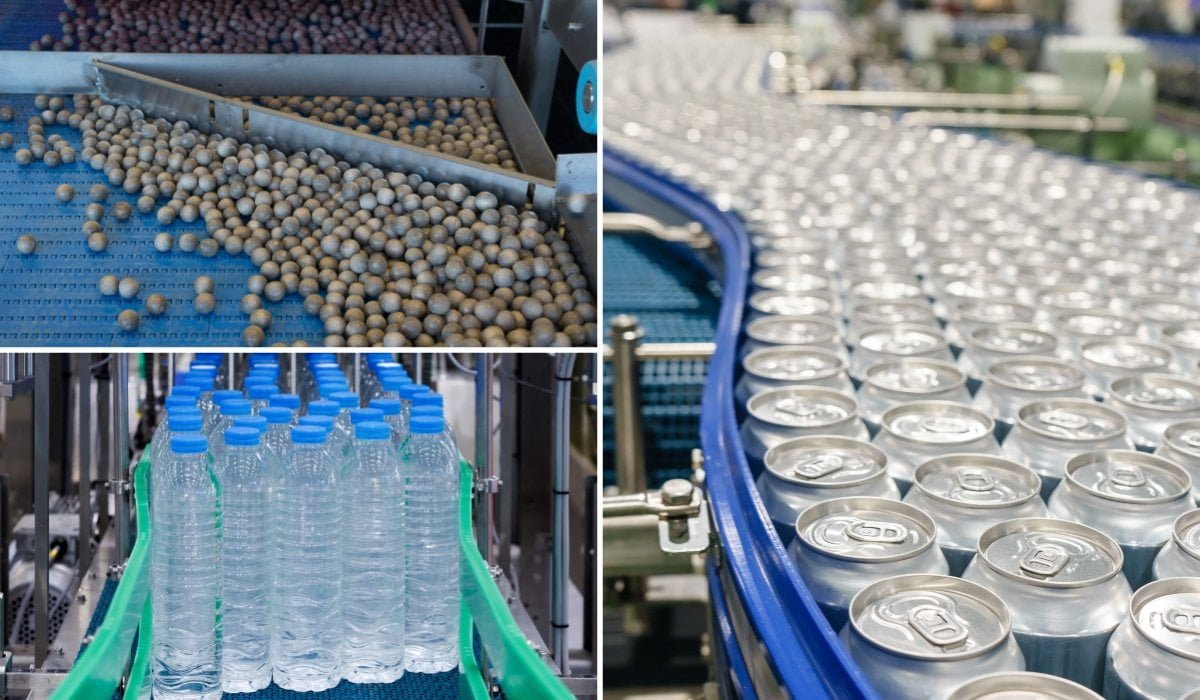
That summary answers the basic question. But if you are selecting a belt for a specific production line — or replacing one that failed — the detail behind that answer is where the real decisions live. Each section below breaks down a specific aspect of how conveyor belts are used and what that means for selection.
What does a conveyor belt actually do in a production line?
Manual product handling between process steps is slow, inconsistent, and adds labor cost. When volume increases, manual transfer becomes a bottleneck. You need a reliable, mechanical solution that keeps pace with your process.
A conveyor belt transfers products or materials from one point to another continuously, at a controlled speed, without manual intervention at each step. It connects processes — infeed, inspection, washing, filling, packaging, and palletizing — into a single coordinated flow.
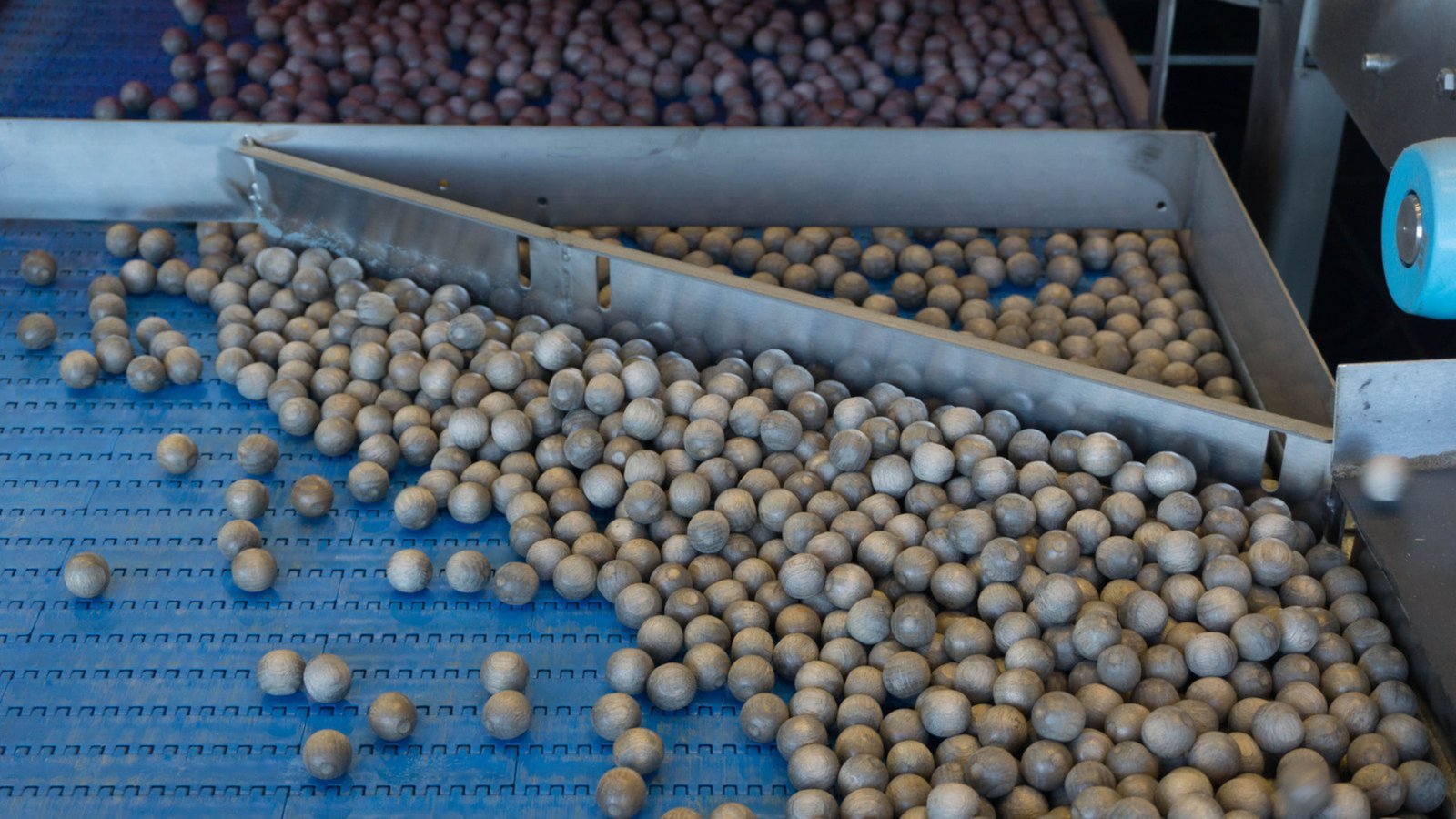
This sounds straightforward, but the belt's role changes depending on where it sits in the line.
The belt does more than move products
In many customer inquiries we receive, buyers describe their need simply as "moving product from A to B." That is the starting point, but it rarely captures everything the belt is doing.
Depending on the application, a conveyor belt may also:
- Support product weight continuously over long spans without sagging
- Maintain product orientation during transfer, especially for fragile items
- Allow drainage of water, juice, or brine through open-mesh or perforated structures
- Withstand washing with pressure water, steam, or chemical sanitizers
- Resist contamination2 in food-grade or pharmaceutical zones
- Handle temperature variation in ovens, coolers, or freezers
A flat smooth belt works well for dry packaged goods. The same belt in a fruit-washing line would trap water, contaminate product, and fail hygiene audits. The belt's use defines its required structure.
What belt types cover these uses?
The most common belt types in light industrial production lines each serve a different functional role:
| Belt Type | Typical Use | Key Feature |
|---|---|---|
| Plastic modular belt | Food processing, meat, produce | Open or closed surface, easy to clean |
| Plastic chain plate | Canning, bottling, heavy packaging | Load-bearing, interlocking links |
| Flat industrial belt | General conveying, light packaging | Smooth surface, low cost |
| Timing belt | Driven positioning, indexing systems | Toothed, precise motion control |
Each type has a structural logic that matches a specific set of conditions. No single belt covers all production applications.
How are conveyor belts used in food and beverage production?
Food and beverage lines combine high throughput, strict hygiene requirements, and varied product types — all in the same facility. A belt that is right for dry snacks is wrong for fresh meat. Getting this wrong creates contamination risk, not just mechanical failure.
In food and beverage production, conveyor belts are used to transport raw ingredients, semi-processed goods, and finished products through each stage — from raw intake and washing through filling, sealing, labeling, and final packaging. Hygiene, drainage, and cleanability determine belt selection more than speed or load in most cases.
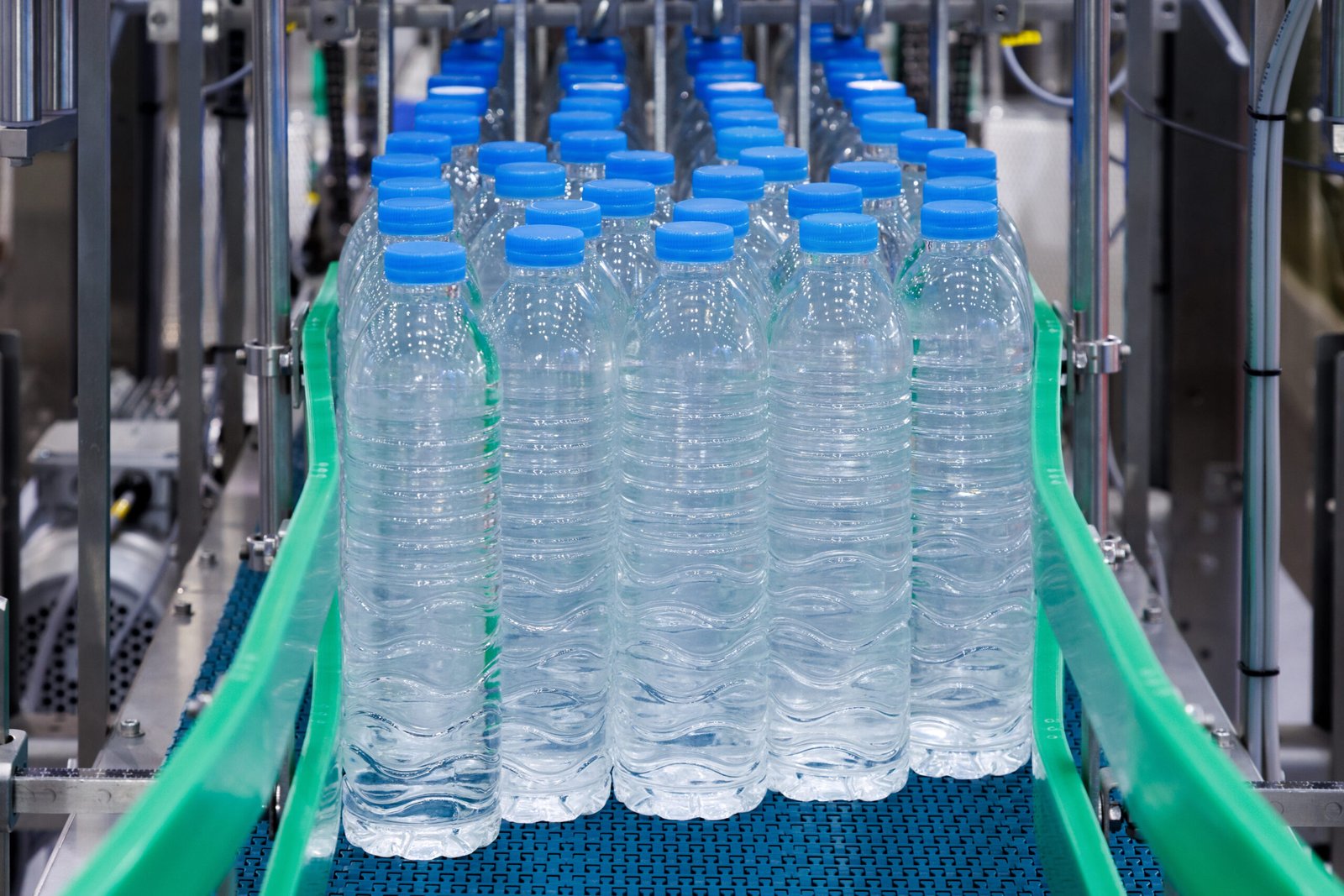
Food-grade compliance is a documentation requirement, not just a product claim. Buyers should verify belt material certifications — such as FDA or EU food contact compliance3 — directly with their supplier.
Specific uses across food and beverage sub-sectors
Beverage and brewery lines often use plastic chain plate conveyors to move bottles and cans between filling, capping, labeling, and packing stations. The chain plate structure handles wet surfaces and supports heavy glass bottles reliably.
Bakery and confectionery lines require belts that tolerate elevated temperatures in proofing or cooling zones and release product cleanly without sticking. Surface texture and material selection — not just width — determine whether product moves cleanly or creates waste.
Fruit and vegetable handling typically uses open-mesh or perforated modular belts. Product gets washed during transport, so the belt must drain freely, resist corrosion, and clean easily between product changeovers.
Canning lines put high-cycle mechanical stress on conveyor components. Plastic chain plate and modular belts built for impact resistance and positive drive are common choices here.
Key selection factors for food and beverage applications:
- Surface type: open mesh, solid flat, textured, or perforated
- Material compliance: food-grade plastic — verify certification documentation
- Cleaning method: manual rinse, pressure wash, CIP (clean-in-place4), or steam
- Temperature range: ambient, chilled, frozen, or heat-exposed zones
- Product contact risk: direct food contact or packaging-only contact
How are conveyor belts used in pharmaceutical production?
Pharmaceutical lines face stricter contamination control than most food lines5, combined with precise product handling requirements. A flawed belt in this environment does not just create waste — it creates compliance failure.
In pharmaceutical production, conveyor belts are used to transport bottles, blister packs, vials, and boxed products through filling, inspection, labeling, and packaging. Belt selection prioritizes contamination control, particle generation, cleanability, and compatibility with validation protocols.
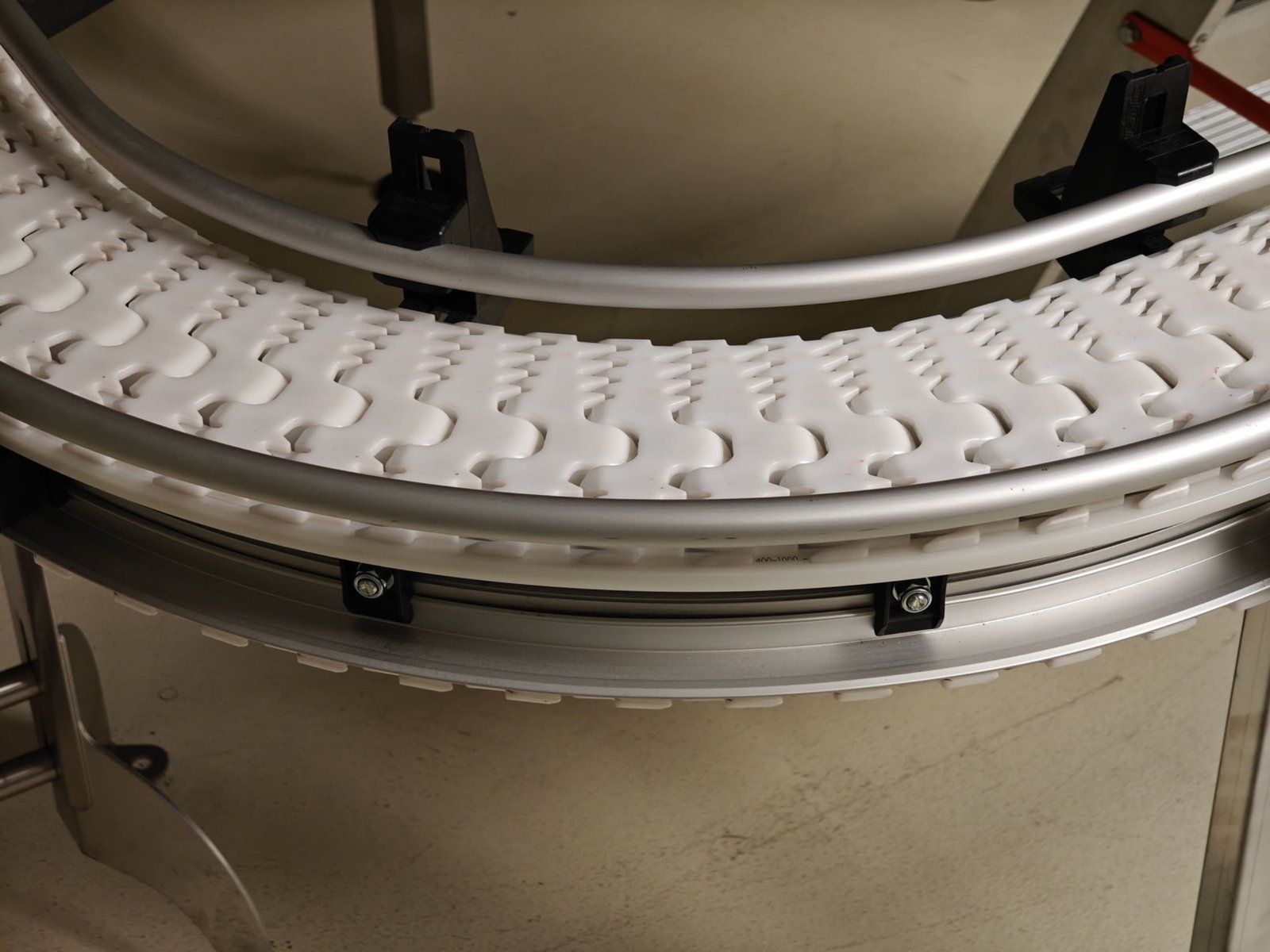
From what we see in customer selection discussions, pharmaceutical buyers consistently ask about three things: material traceability, surface smoothness to prevent particle generation, and ease of belt removal for cleaning and validation procedures.
What matters most in pharmaceutical belt selection
Particle generation is a key concern. Belts that shed fibers or wear particles contaminate product. Smooth, low-wear materials with controlled construction reduce this risk.
Belt removal and reinstallation must be simple. Pharmaceutical lines require frequent cleaning cycles. Modular belt systems, where individual modules can be removed and replaced without special tools, are often preferred for this reason.
Documentation matters alongside performance. Buyers evaluating belts for pharmaceutical applications should request material data sheets and any relevant certifications from their belt supplier — and confirm these with their own quality team before commissioning.
Surface finish affects both product flow and cleaning effectiveness. A textured surface that accumulates residue is harder to validate as clean. Smooth closed surfaces are common in pharmaceutical conveying.
How does production environment affect what conveyor belts are used for?
Two production lines making similar products can require completely different belts if their operating environments differ. Temperature, moisture, cleaning intensity, and line speed each change what the belt must do — and therefore what it must be.
The production environment determines what properties a conveyor belt must have to function reliably. Temperature extremes, wet or dry conditions, chemical exposure from cleaning agents, and line speed all impose physical demands on the belt material, surface, and structure. Ignoring these factors leads to premature failure.
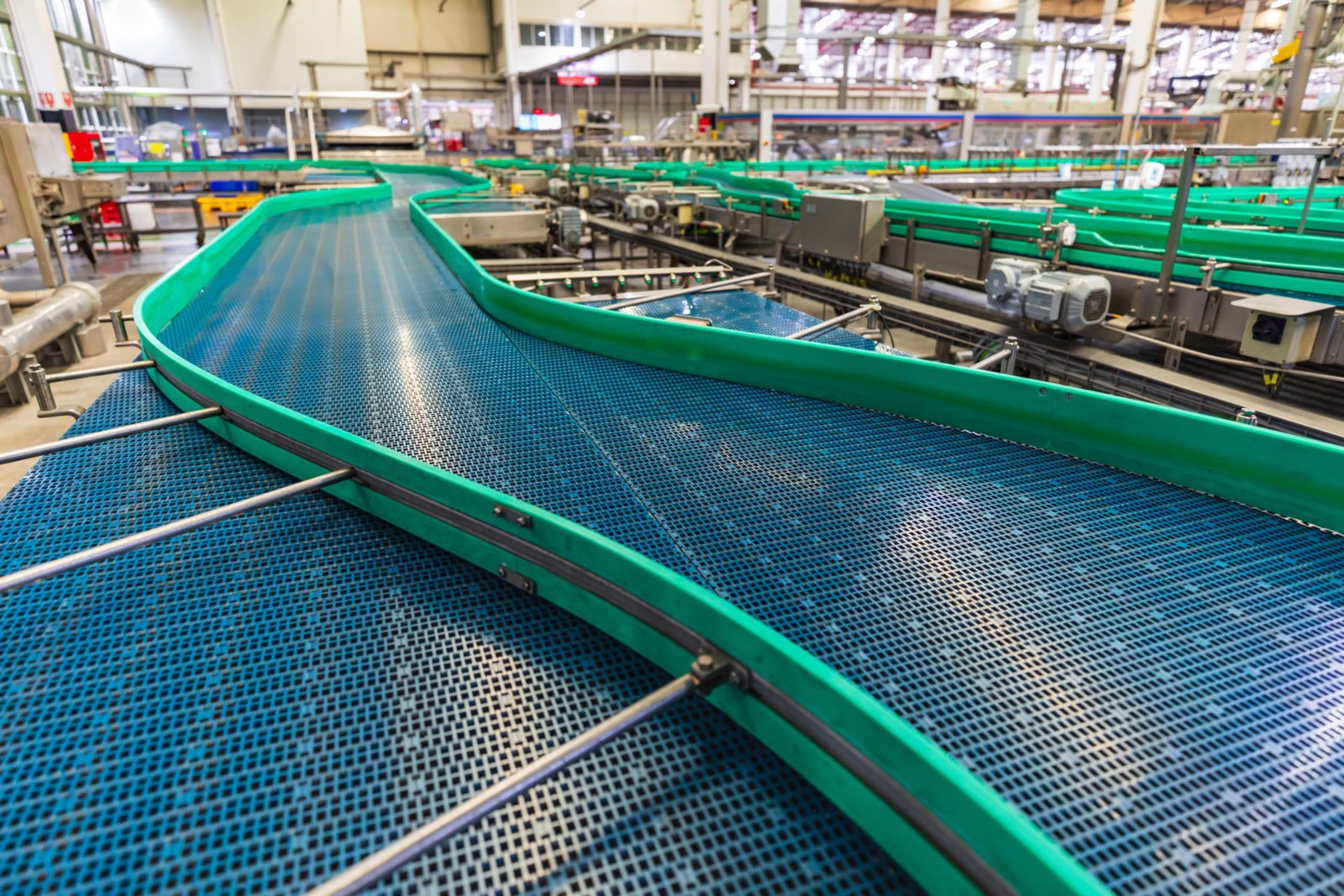
For production line selection, we usually check environment conditions early in the conversation — before discussing belt type. Here is why each factor matters:
Temperature
Plastic belts have defined working temperature ranges. A belt running at the edge of its thermal limit will deform, lose tension, or fail at joints. Oven conveyors and freezer conveyors both require materials specified for their respective temperature ranges.
Moisture and drainage
High-moisture environments accelerate wear on belts that are not designed for wet running. Open-mesh modular belts allow drainage — solid flat belts trap liquid and create hygiene problems. Matching surface structure to moisture conditions is a basic selection step.
Cleaning method
This is often underestimated. A line using high-pressure washdown requires a belt structure that can withstand repeated pressure cycles without deformation or joint failure. Chemical sanitizers must be compatible with belt material. For CIP systems, the belt must allow cleaning solution to reach all surfaces.
Line speed and load
Higher speed and heavier product increase mechanical stress on belt joints, links, and drive components. Undersized belts under these conditions wear faster and fail at joints. Specifying the correct pitch, link material, and belt width for the load prevents this.
What information do you need before replacing a conveyor belt?
Replacing a conveyor belt without the right specification is one of the most common mistakes in maintenance procurement. Ordering "a similar belt" based on visual inspection alone often produces a misfit — wrong pitch, wrong width, incompatible material, or incorrect surface type.
When replacing a conveyor belt, the most reliable starting point is the existing belt's model number or manufacturer specification. If that is unavailable, buyers should provide the belt material, product type and weight, industry, cleaning method, and operating environment. This information allows the belt supplier to match the replacement accurately.
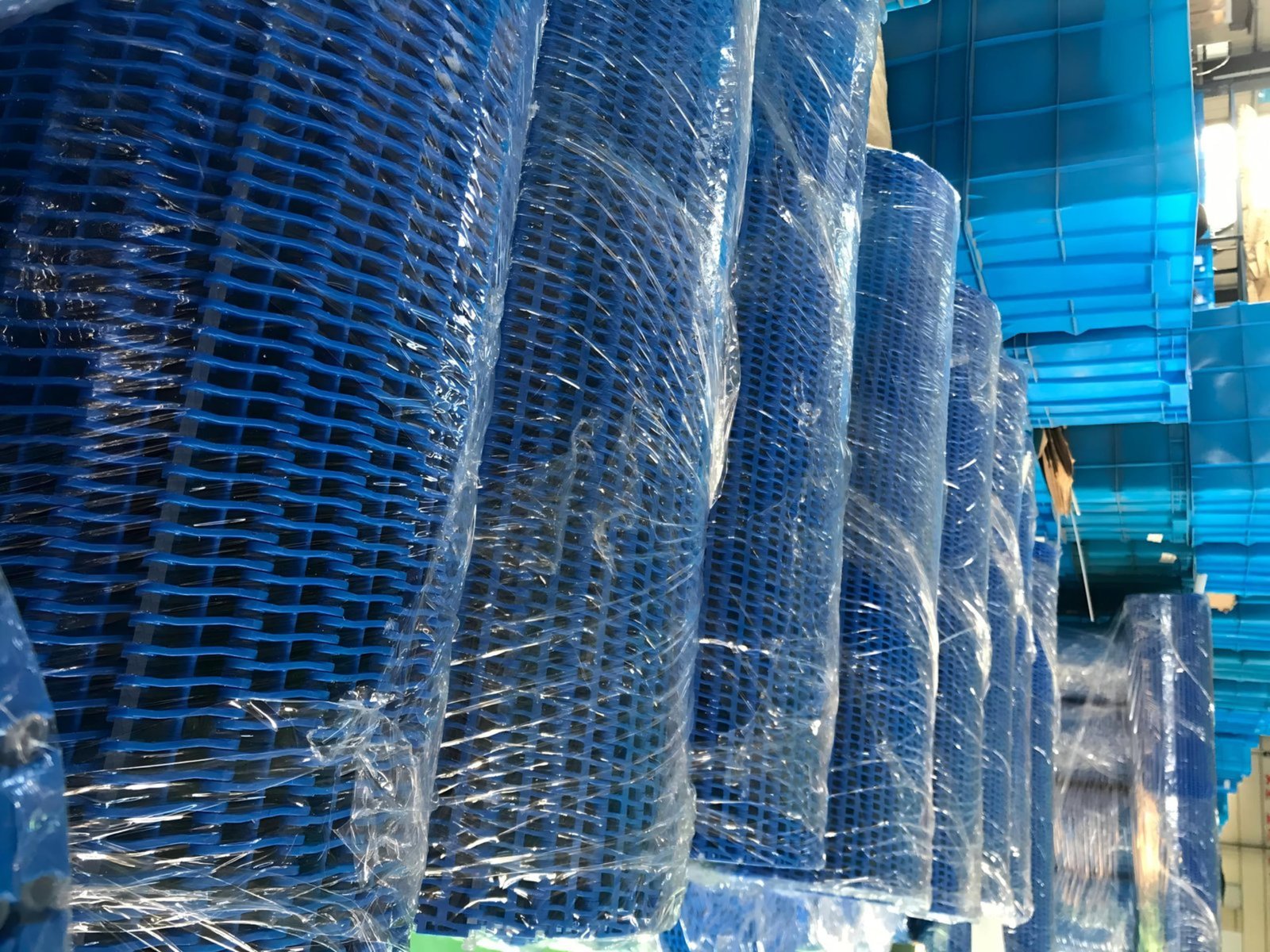
If you have the current belt model
Send the model number, belt width, and the manufacturer name if known. This is the fastest path to an accurate replacement or compatible alternative. At Molytech, when a customer sends us the current belt specification, our engineering team can validate dimensional compatibility and material fit before production.
If you do not have the model number
Provide the following:
- Belt material (if known — e.g., polypropylene, polyethylene, polyurethane)
- Belt width and approximate length
- Product being conveyed — type, weight, surface condition (wet, oily, fragile, sharp-edged)
- Industry — food, beverage, bakery, pharmaceutical, canning, etc.
- Cleaning method — rinse, pressure wash, CIP, chemical sanitizer
- Operating temperature — ambient, chilled, frozen, elevated
- Drive system information — sprocket pitch, number of teeth, shaft spacing if available
The more of these details you provide, the more precisely the belt can be matched. Guessing on pitch or material to "get it running" leads to repeat failures.
Frequently Asked Questions
Can one conveyor belt work across different product types?
Not reliably. Each product type, weight, surface condition, and process environment creates different demands on the belt. A belt suited for dry packaged goods may fail in a wet fruit-washing application. Matching the belt to specific operating conditions is essential for consistent, reliable performance.
What is the difference between a modular belt and a flat conveyor belt?
A modular belt is made from interlocking plastic modules that can be removed and replaced individually. It suits applications requiring frequent cleaning, drainage, or curve conveying. A flat belt is a continuous surface suited for stable, dry, lightweight product transfer. Each suits a different set of production conditions.
Do conveyor belts need to meet food safety standards?
In food, beverage, and pharmaceutical applications, belt materials used in direct product contact zones should meet relevant food contact compliance standards — such as FDA or EU regulations. Buyers should request material documentation from the supplier and verify compliance with their own quality team before commissioning the belt.
How do I know if my belt replacement is compatible with my existing system?
The most accurate way is to provide the current belt model number or full specification — width, pitch, material, and surface type — to your supplier. Their engineering team can then confirm dimensional compatibility and material suitability before production or shipment.
What causes conveyor belts to fail prematurely?
Common causes include incorrect belt selection for the load or environment, improper tensioning, chemical incompatibility with cleaning agents, running outside the belt's specified temperature range, and inadequate maintenance. Most premature failures trace back to a mismatch between the belt specification and the actual operating conditions.
Conclusion
Conveyor belts are used to move products continuously and controllably through production — but their real value comes from matching the belt type, material, and structure to the specific conditions of your line. In food, beverage, bakery, fruit handling, canning, and pharmaceutical production, that means accounting for product weight, surface condition, moisture, temperature, cleaning method, and hygiene requirements. No single belt fits every application, and selecting or replacing one without the right information leads to preventable failures.
If you are evaluating a conveyor belt for your line or need to replace an existing one, start with what you have: send us the current belt model or specification, or share your product type, weight, industry, cleaning requirements, and operating conditions. Our engineering team at Molytech will work from that information to identify a suitable match — accurately, before production begins.
<!--[googlesitekit-end-of-content]-->
"Conveyor belt", https://en.wikipedia.org/wiki/Conveyor_belt. An encyclopedic or engineering reference defines a conveyor belt as a continuous moving belt used to transport materials or products between locations, supporting the article's basic description of its production-line function. Evidence role: definition; source type: encyclopedia. Supports: The source should define a conveyor belt as a continuous belt-based system used to transport materials from one point to another.. Scope note: The source would support the general definition, not the specific food, beverage, or pharmaceutical examples in the article. ↩
"Facts About the Current Good Manufacturing Practice ...", https://www.fda.gov/drugs/pharmaceutical-quality-resources/facts-about-current-good-manufacturing-practice-cgmp. Hygienic-design and good manufacturing practice guidance state that production equipment should be designed, cleaned, and maintained to prevent contamination of food or pharmaceutical products. Evidence role: expert_consensus; source type: institution. Supports: The source should support that equipment in food or pharmaceutical production should be designed and maintained to prevent contamination.. Scope note: The source would support the contamination-control requirement for equipment broadly, not necessarily test a particular belt construction. ↩
"Food Packaging & Other Substances that Come in Contact ...", https://www.fda.gov/food/food-ingredients-packaging/food-packaging-other-substances-come-contact-food-information-consumers. FDA food-contact substance regulations and EU Regulation (EC) No 1935/2004 establish requirements for materials intended to come into contact with food, providing the regulatory basis for verifying food-contact compliance of belt materials. Evidence role: definition; source type: government. Supports: The source should identify FDA and EU frameworks governing materials intended to contact food.. Scope note: These regulations establish the compliance framework but do not certify any specific conveyor belt product. ↩
"Clean-in-place", https://en.wikipedia.org/wiki/Clean-in-place. Hygienic-processing references define clean-in-place as the circulation or application of cleaning solutions through equipment without complete disassembly, supporting its use as a selection factor for sanitary conveyor systems. Evidence role: definition; source type: institution. Supports: The source should define clean-in-place as cleaning process equipment without disassembly and explain its relevance to hygienic processing.. Scope note: The definition supports the cleaning concept generally, not the effectiveness of CIP for a specific belt design. ↩
"Facts About the Current Good Manufacturing Practice ...", https://www.fda.gov/drugs/pharmaceutical-quality-resources/facts-about-current-good-manufacturing-practice-cgmp. Good manufacturing practice regulations and guidance require pharmaceutical manufacturers to control contamination and cross-contamination through validated processes, equipment design, and cleaning procedures. Evidence role: expert_consensus; source type: government. Supports: The source should support that pharmaceutical manufacturing must prevent contamination and cross-contamination through controlled equipment, cleaning, and processes.. Scope note: This supports the strict contamination-control requirement in pharmaceuticals but does not directly compare its stringency with food manufacturing requirements. ↩