

If you've searched for "plastic chain" in an industrial context, you've probably noticed that the term returns a wide range of results — and not all of them are relevant to what you actually need. That inconsistency creates confusion during procurement, especially when you're trying to source the right conveyor component under time pressure.
In conveyor system applications, a plastic chain typically refers to a plastic conveyor chain or plastic chain plate component used to support and move products along a production line. It works in combination with sprockets, guide rails, and conveyor structure. The term is not a catch-all for every chain made from plastic — it usually describes a functional system component with defined pitch, width, and compatibility requirements.
Understanding what a plastic chain actually is — and what it isn't — helps you communicate more clearly with suppliers, evaluate products more accurately, and avoid mismatched orders. The sections below walk through its basic forms, how it functions inside a conveyor system, and how it compares to the alternatives.
What Does "Plastic Chain" Usually Mean in a Production Environment?
When buyers or maintenance teams use the term "plastic chain," it often creates an initial disconnect with suppliers. The term is broad by nature, but its industrial meaning is usually much more specific.
In our experience across production and customer communication, "plastic chain" in a conveyor context almost always refers to one of two component types: a plastic conveyor chain (a link-style chain with open or closed hinge structure) or a plastic chain plate (a flat, interlocking surface component assembled into a continuous belt). Both move products. Both engage with sprockets. Both are described using the same shorthand term.
The confusion is understandable. Outside of industrial settings, "plastic chain" might describe decorative chains, toy parts, or light-duty retaining components. Inside a food processing plant or beverage line, it means something entirely different — a structural, load-bearing conveyor component that keeps your production moving.
Why the Term Gets Used Loosely
Part of the reason "plastic chain" stays ambiguous is that it describes a material more than a function. When someone says "plastic chain," they're pointing at what it's made of, not what it does. In practice, what matters more to a buyer is:
- What type of plastic chain it is — conveyor chain, modular belt, or chain plate assembly
- What pitch and width it runs at — these must match the sprocket and frame
- What environment it operates in — hygiene requirements, temperature range, chemical exposure
- What load it carries — weight per unit length, product weight, line speed
In our communication with procurement and engineering teams, we often need to work backwards from the application before we can confirm which product the customer actually needs. The phrase "plastic chain" starts that conversation — it doesn't end it.
Common Forms You'll Encounter
| Type | Structure | Typical Use |
|---|---|---|
| Plastic conveyor chain | Linked, hinge-pin construction | Side-flexing lines, bottle conveying, accumulation |
| Plastic chain plate | Flat interlocking modules | Food handling, flat-top product transfer |
| Plastic modular belt | Grid or solid-top panel modules | Wide conveyors, incline, washdown environments |
| Plastic timing belt | Toothed, positional drive | Precision indexing, packaging machinery |
Each type has a different structure, different assembly logic, and different sprocket requirements. They're all made from engineering plastics — but they are not interchangeable.
How Does a Plastic Chain Work Inside a Conveyor System?
A plastic chain doesn't operate in isolation. Understanding how it functions means understanding the system around it.
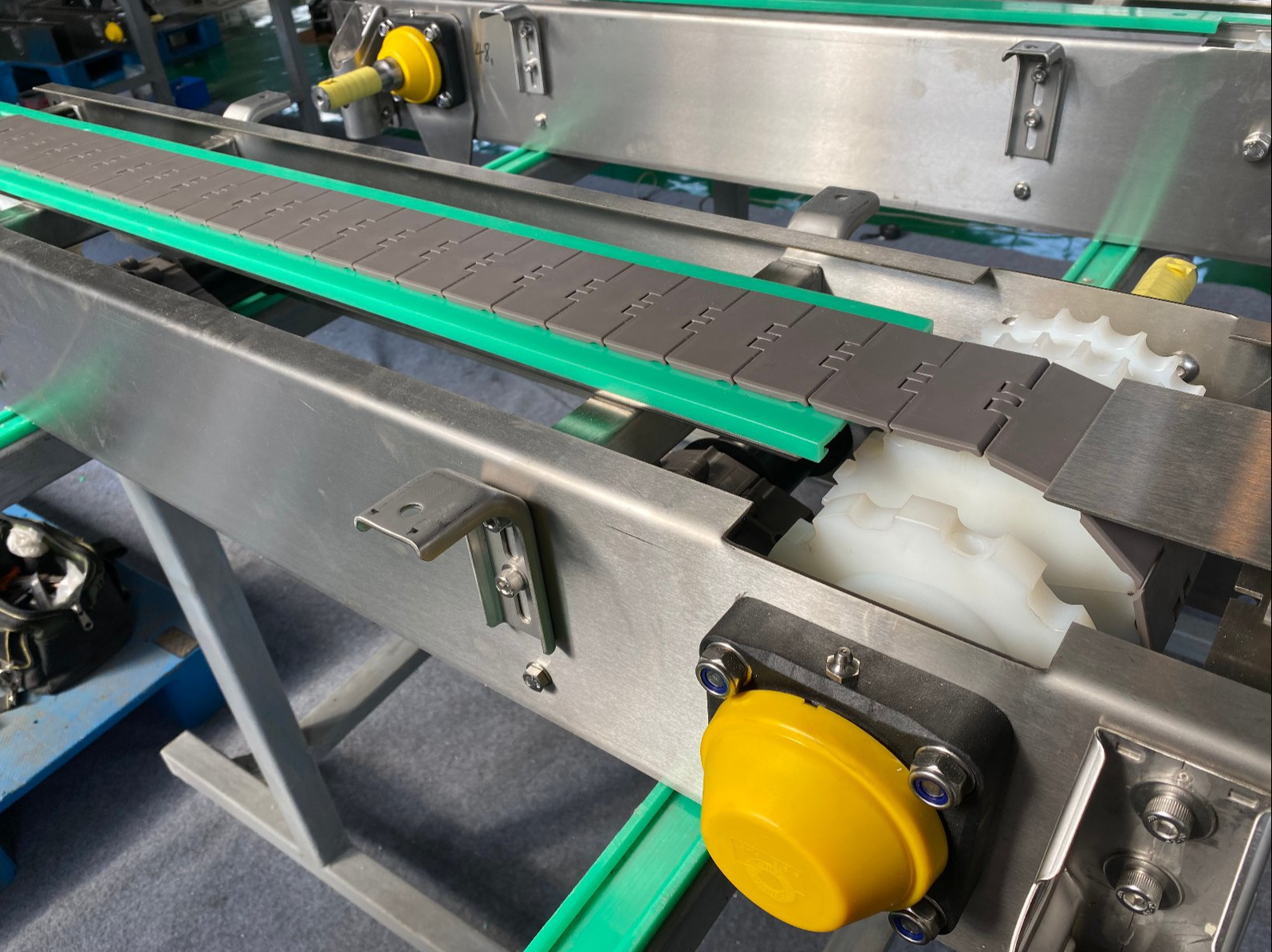
The chain sits on a conveyor frame, runs over sprockets at each end (and sometimes along intermediate supports), and either carries products directly on its surface or transfers them to another zone of the line. The drive sprocket pulls the chain forward. The idler sprocket guides the return.
A plastic chain works by engaging with sprockets through its pitch — the center-to-center distance between chain links or modules. The sprocket teeth fit into the chain's hinge slots or drive holes, transferring motion from the motor to the chain surface. Chain pitch, sprocket tooth count, and frame width must all be matched for the system to run correctly.
This engagement relationship is one of the most practically important points for buyers to understand — and one that's often underweighted during procurement.
The Role of Pitch in Chain Selection
Pitch is the fundamental measurement that links a plastic chain to everything else in the conveyor system. Common pitches in industrial conveyor applications include 25.4 mm, 38.1 mm, and 50.8 mm, though many system-specific variants exist.
When a chain is replaced without verifying pitch, the result is misalignment, skipping, or accelerated wear on both the chain and the sprockets. This is one of the most common causes of premature failure that our engineering team sees in replacement orders.
Practical note: If you're sourcing a replacement plastic chain, always confirm the pitch from the existing chain or the sprocket specification — not just the conveyor brand or model name.
Surface and Structure Determine Product Contact
The top surface of a plastic chain matters as much as its mechanical structure. Depending on the application, the surface may be:
- Flat-top — for stable, flush product contact
- Raised rib or textured — for grip on inclines or irregular surfaces
- Open grid — for drainage, airflow, or washdown access
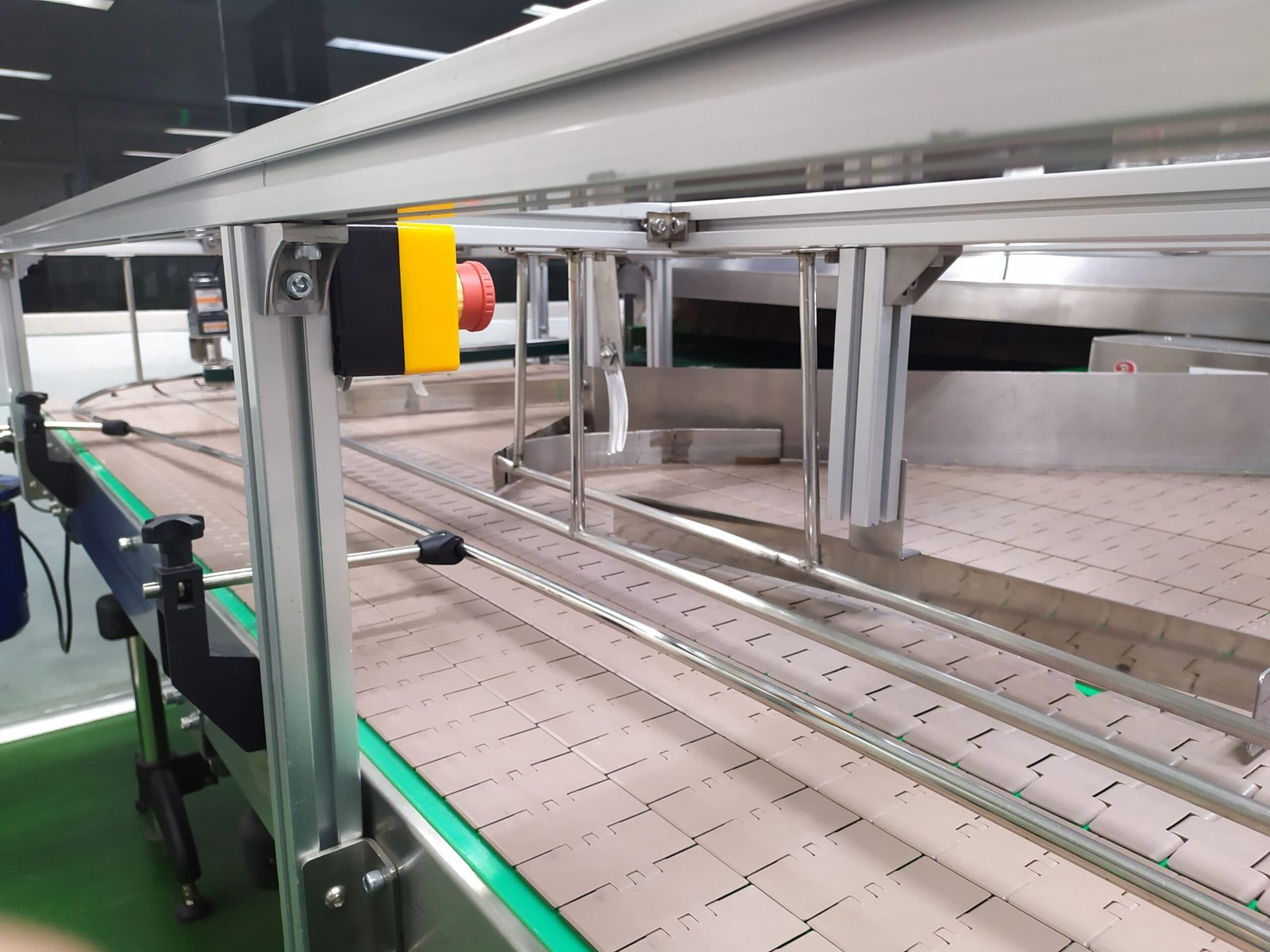
- Side-flexing — for curved conveyor paths
Each surface type serves a specific handling requirement. A flat-top plastic chain suitable for canning lines may not be appropriate for a bakery incline conveyor, even if the pitch and width match.
Where Is Plastic Chain Typically Used?
Plastic chain appears across a wide range of industries, and its presence in specific applications usually reflects a consistent set of requirements: hygiene, corrosion resistance, light weight, or the need to avoid metal contamination.
In our manufacturing experience, the industries that consistently specify plastic chain components include food processing, beverage and brewery lines, bakery and confectionery, fruit and vegetable handling, canning, and pharmaceuticals.
Plastic chain is most commonly used where metal chain creates hygiene risks, where corrosion from moisture or cleaning chemicals shortens metal component life, or where weight reduction is a system design priority. Food and beverage applications represent the largest share of plastic chain usage in conveyor systems.
These industries share common demands: easy cleaning, resistance to water and sanitizers, and consistent product handling without contamination risk. Plastic conveyor chain components address these needs structurally — the material itself doesn't rust, and many grades are manufactured to comply with food-contact material standards1, though buyers should verify applicable certifications for their specific requirements.
Application Examples by Industry
Food processing: Product transfer conveyors, portioning line infeed, and washdown-zone conveyors all benefit from plastic chain's resistance to moisture and cleaning agents. Stainless steel chains remain common in heavy-duty or high-temperature zones, but plastic chain handles a significant portion of mid-range conveying tasks.
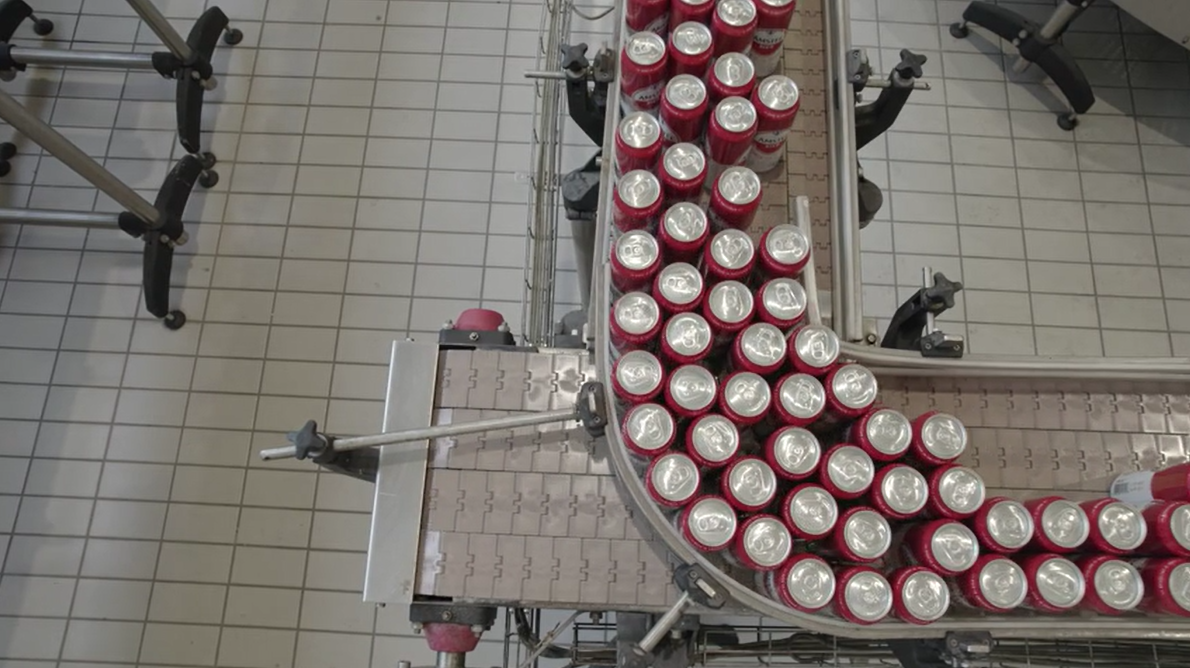
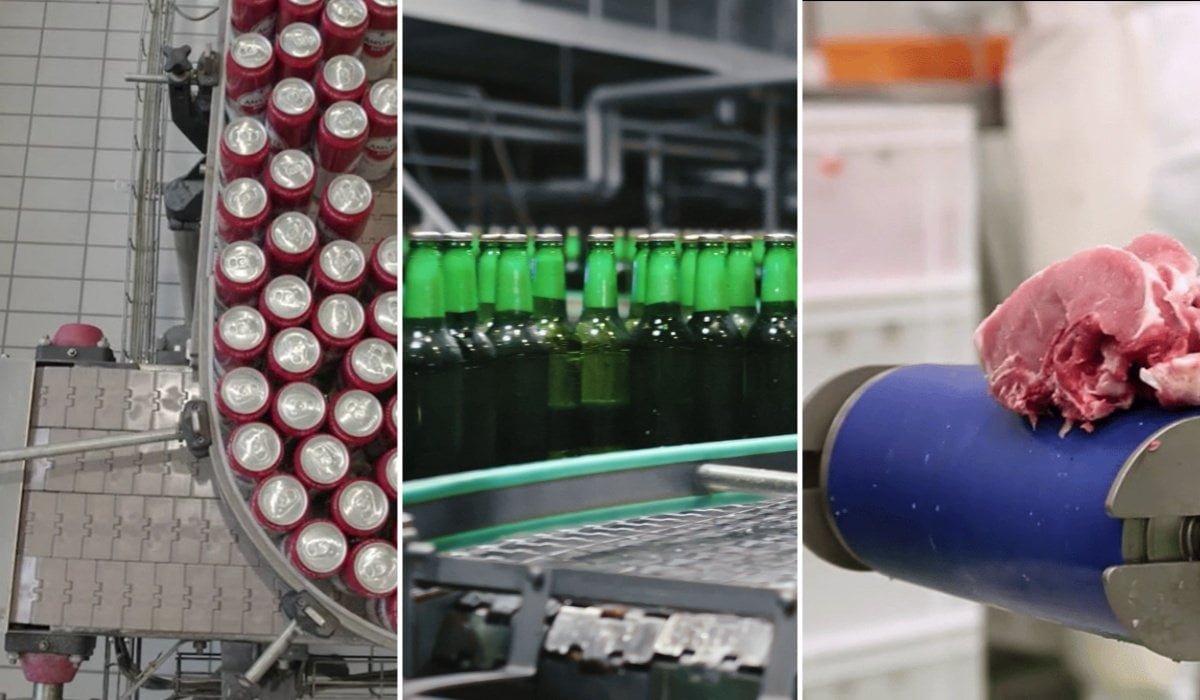
Beverages and breweries: Bottle and can conveying lines frequently use side-flexing plastic conveyor chains, which allow the line to curve without requiring a separate transfer mechanism. This reduces footprint and simplifies line layout.
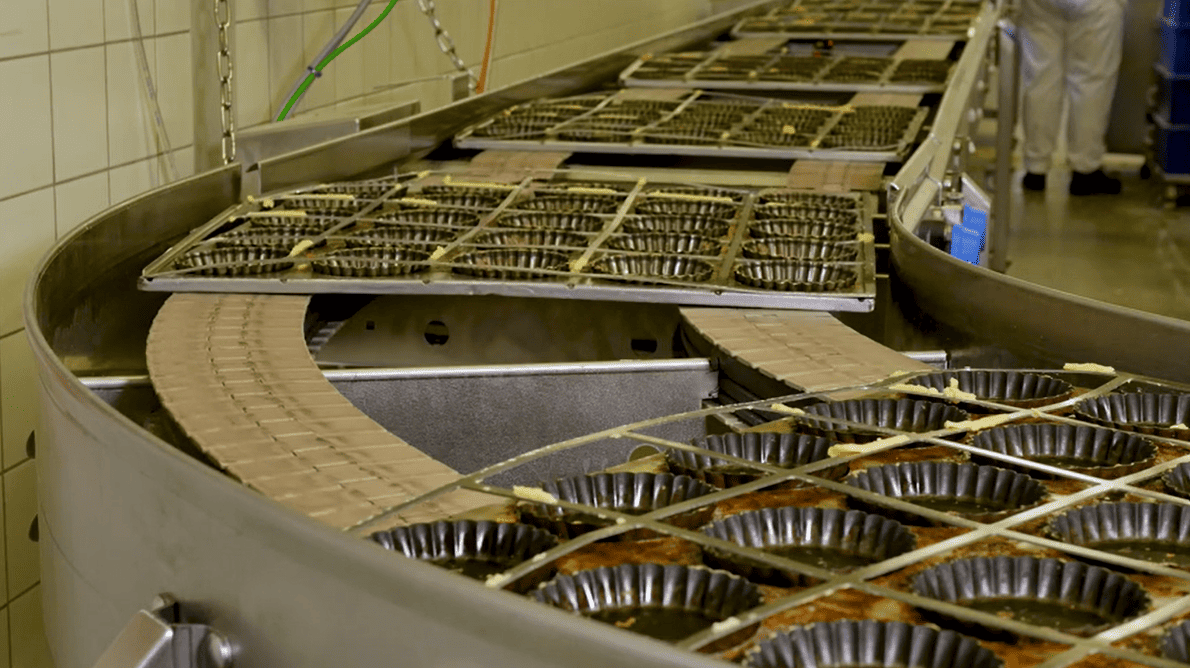
Bakery and confectionery: Plastic flat-top chain plates are widely used for moving packaged goods and trays. The smooth surface minimizes product marking, and the hygienic structure simplifies daily cleaning routines.
Fruit and vegetable handling: Open-grid plastic modular belts allow water and debris to pass through the belt surface, which supports both washing and sorting line operations.
Pharmaceuticals: Low-contamination requirements and the need for easy disassembly make plastic modular belts a common choice for blister pack and secondary packaging conveyors.
How Does Plastic Chain Compare to Metal Chain and Flat Belts?
Buyers evaluating conveyor components often ask how plastic chain compares to the alternatives — either metal chain or rubber/PVC flat belts. The honest answer is that each option occupies a different performance space, and the best choice depends on the specific application.
Plastic chain sits between metal chain and flat belts in most evaluation categories. It offers better corrosion resistance and hygiene than metal chain, and better structural modularity than flat belts.2 However, it typically operates within defined load and temperature limits that metal chain may exceed, and it requires sprocket-based drive systems that flat belts do not.
This is not a ranking. It's a segmentation. Each component type is appropriate for the right context.
Side-by-Side Comparison
| Evaluation Criteria | Plastic Chain | Metal Chain | Flat Belt |
|---|---|---|---|
| Corrosion resistance | High | Low to moderate | Varies by material |
| Hygiene / cleanability | High | Moderate | Moderate to high |
| Modularity / repairability | High (replace modules) | Moderate | Low (full replacement) |
| Drive system requirement | Sprocket-driven | Sprocket-driven | Pulley-driven |
| Typical load capacity | Moderate | High | Moderate |
| Weight | Light | Heavy | Light |
| Metal detection compatibility | Yes (no metal) | No (interferes) | Depends on type |
| Temperature range | Application-dependent | Wider range | Application-dependent |
A few observations from this comparison are worth emphasizing:
- Repairability is a practical advantage of plastic chain. Modular plastic belts and chain plate assemblies can be repaired by replacing individual modules or links, rather than replacing the full belt. This reduces downtime and replacement cost.
- Metal detection compatibility matters in food and pharmaceutical applications. Plastic chain passes through metal detectors without triggering false positives — a relevant factor for lines with inline inspection systems.
- Temperature and load claims require application-level verification. We recommend consulting with your supplier or engineering team before specifying plastic chain for high-temperature or heavy-load environments.
Frequently Asked Questions
Is plastic chain suitable for food contact applications?
Many plastic chain grades are manufactured from materials intended to meet food-contact regulations, such as FDA or EU food-contact standards. However, compliance depends on the specific resin grade, manufacturing controls, and your local regulatory requirements. Buyers should request documentation from their supplier and verify suitability for their application.
What is the difference between plastic conveyor chain and plastic modular belt?
Plastic conveyor chain typically uses a linked, hinge-pin construction and engages sprockets along its drive axis. Plastic modular belt is assembled from flat panel modules connected across the belt width, offering a wider, more open surface. Both are forms of plastic chain components, but they suit different conveyor geometries and product types.
How do I know which pitch plastic chain I need?
Pitch must match the sprockets installed on your conveyor frame. Measure the center-to-center distance between link pins or drive holes on your existing chain, or check the sprocket tooth profile and specification. Do not assume pitch from conveyor brand or model alone — confirm from physical measurement or engineering documentation.
Can plastic chain replace metal chain on an existing conveyor?
In some cases, yes — but direct substitution requires verifying pitch compatibility, sprocket engagement geometry, load requirements, and environmental conditions. Plastic chain and metal chain are not always interchangeable on the same sprocket, even at the same nominal pitch. A technical review is recommended before making this substitution.
What causes plastic chain to wear faster than expected?
Common causes include misalignment between the chain and sprocket, incorrect pitch, insufficient lubrication where required, excessive side load on non-side-flexing chain, and running speeds or temperatures outside the chain's design range. Consistent premature wear usually indicates a system compatibility issue rather than a material defect.
Conclusion
A plastic chain in an industrial conveyor context is a specific, functional component — not a generic term for any chain made from plastic. It refers to conveyor chains, chain plates, or modular belt assemblies that work within a defined system of sprockets, guides, and frame structure. Its value in food, beverage, pharmaceutical, and related industries comes from its corrosion resistance, hygienic design, and modular repairability.
Selecting the right plastic chain means understanding pitch, width, surface type, drive compatibility, and the demands of your specific application environment. The term starts the conversation — but the specification is what actually keeps your line running.
At Molytech, we manufacture plastic chain components in-house and work directly with procurement teams, engineers, and integrators to confirm the right selection before production. If you're evaluating plastic chain for a new line or a replacement order, contact our team to discuss your application.
<!--[googlesitekit-end-of-content]-->
"Phthalates in Food Packaging and Food Contact Applications", https://www.fda.gov/food/food-additives-and-gras-ingredients-information-consumers/phthalates-food-packaging-and-food-contact-applications. FDA food-contact regulations and EU rules for plastic food-contact materials establish that plastics used in food-contact articles must meet specified compositional and migration requirements, supporting the article’s statement that compliant grades exist. Evidence role: expert_consensus; source type: government. Supports: Government food-contact regulations should establish that plastic materials intended for food contact are regulated by composition, migration, and documentation requirements.. Scope note: Regulatory sources do not certify a generic product category; compliance must be verified for the exact resin, additives, manufacturing process, and intended food-contact conditions. ↩
"Microbial investigation of cleanability of different plastic and ...", https://pmc.ncbi.nlm.nih.gov/articles/PMC10439085/. Materials and conveyor-engineering literature supports the general comparison that polymer conveyor components can resist corrosion in wet or chemical environments and that modular belt construction provides a segmented structure unlike continuous flat belts. Evidence role: general_support; source type: research. Supports: A materials or food-engineering source should support the general comparison that polymers resist corrosion in wet environments and that modular belt structures differ from continuous flat belts.. Scope note: This evidence would support the broad comparison, but hygiene and corrosion performance vary by alloy, polymer, surface finish, sanitation protocol, and operating environment. ↩