

Conveyor belts sit in an awkward middle ground in purchasing and supply conversations. Buyers sometimes list them under equipment. Maintenance teams order them like spare parts. Customs teams assign them their own tariff codes. If you're trying to decide how to classify conveyor belts in your own procurement, inventory, or supplier communication, the confusion is understandable.
Conveyor belts can reasonably be classified as parts or spare parts in most purchasing, maintenance, and inventory contexts. They are discrete, replaceable components within a larger conveyor system, with their own specifications, materials, dimensions, and replacement cycles. Whether a belt counts as a "part" in a legal or customs sense depends on jurisdiction and documentation, and those cases warrant separate verification.
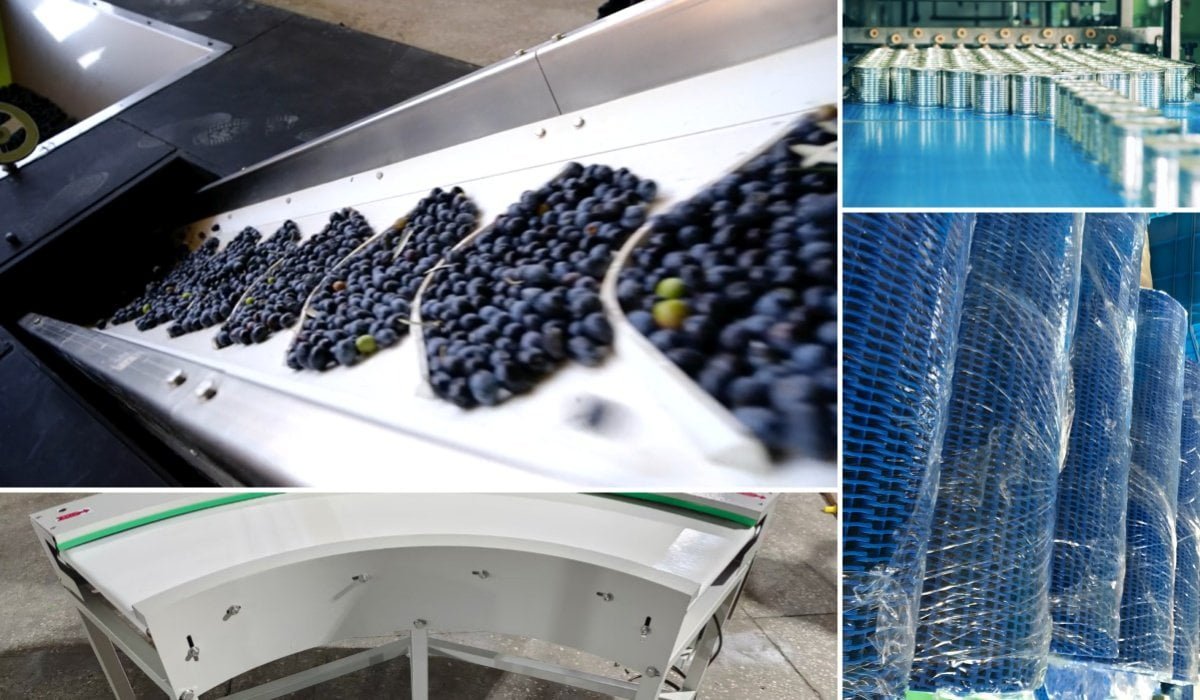
The short answer makes sense on the surface. But it's worth unpacking why the classification varies by context — and what that means for the people buying, stocking, or specifying conveyor belts day to day.
What Makes a Conveyor Belt a Functional Component?
Conveyor belts don't run themselves. On their own, they are inert lengths of material — flat, coiled, or segmented — with no drive, no frame, and no control system.
A conveyor belt is a functional element within a larger system.1 It interacts with sprockets, drive shafts, guide rails, wear strips, and the conveyor frame. Remove the belt, and the system stops moving product. Replace the belt, and the system runs again. That replacement logic is exactly what defines a part.
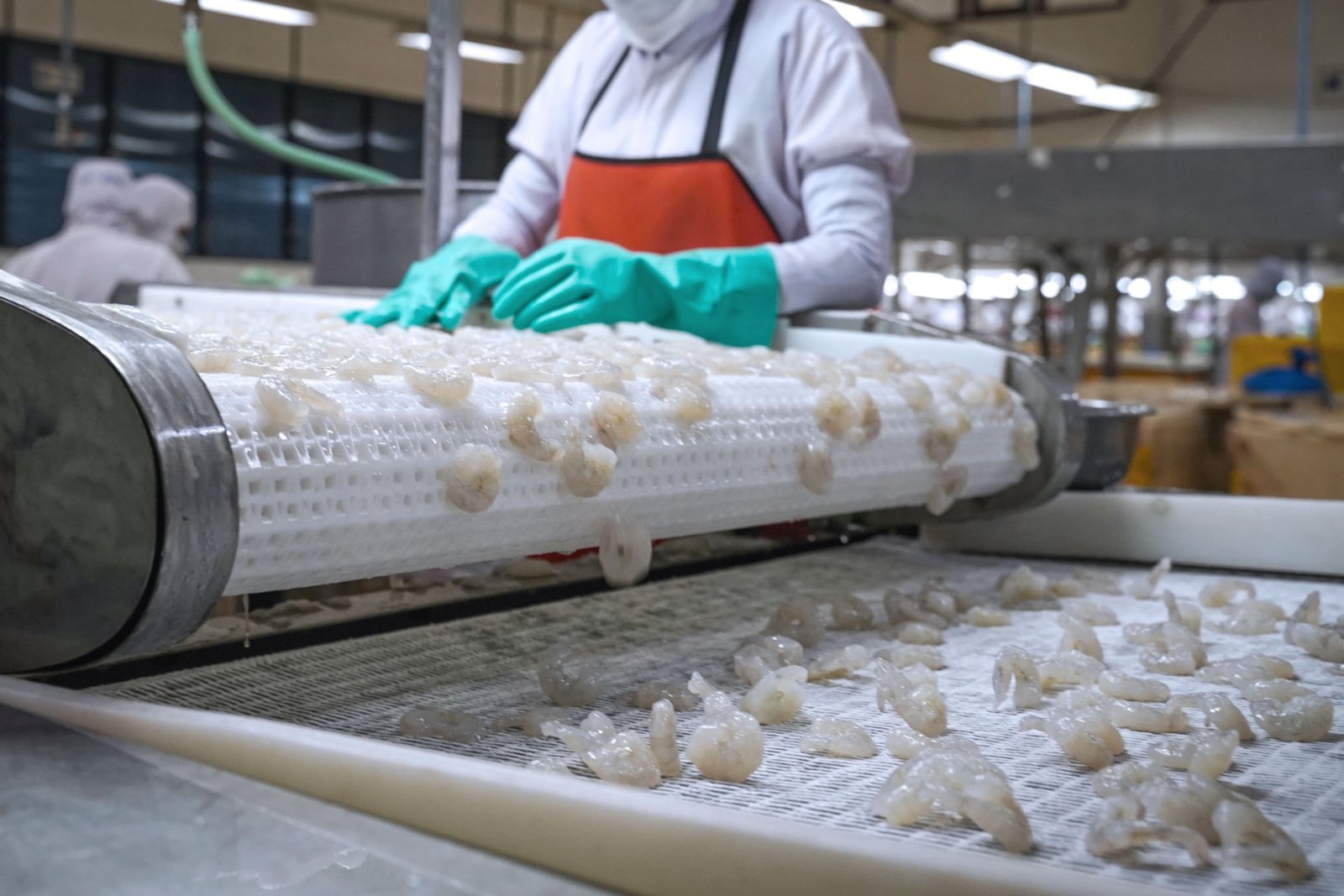
This framing matters because it separates what a belt is from what it does. Understanding that distinction helps purchasing and maintenance teams communicate more precisely with suppliers and internal teams.
The Belt Is Not the System
A complete conveyor system includes a drive mechanism, a structural frame, controls, and various mechanical and wear components. The belt — whether it's a flat fabric belt, a modular plastic belt, or a plastic chain plate — represents one functional layer within that assembly.
From a manufacturing standpoint, this is clear. When a customer orders a conveyor system, the belt is specified as part of the bill of materials. When a customer orders a replacement belt, it ships as a standalone SKU with its own dimensions, material grade, and structure. The product is the same. The commercial context changes.
Independently Specified and Supplied
One practical indicator that conveyor belts behave like parts: they carry their own technical specifications.
- Material: food-grade polyurethane, acetal, polypropylene, rubber compounds
- Structure: modular links, flat belt construction, chain plate configuration
- Dimensions: pitch, width, open area percentage, load capacity
- Surface properties: smooth, textured, perforated, cleated
- Applicable temperature and chemical exposure ranges
These specifications exist independently of any particular conveyor machine. A buyer can request a belt by spec and receive it without specifying which brand of conveyor it runs on — as long as compatibility is confirmed. That is consistent with how industrial parts are sourced.
How Do Different Teams Actually Handle Conveyor Belt Classification?
The classification question rarely has a single answer inside one organization. Different departments approach conveyor belts differently, and both approaches can be internally consistent.
In practice, the same conveyor belt can appear on a purchase order as replacement part stock, in an engineering drawing as a system component, and in a logistics document as a manufactured article. None of these labels is wrong.
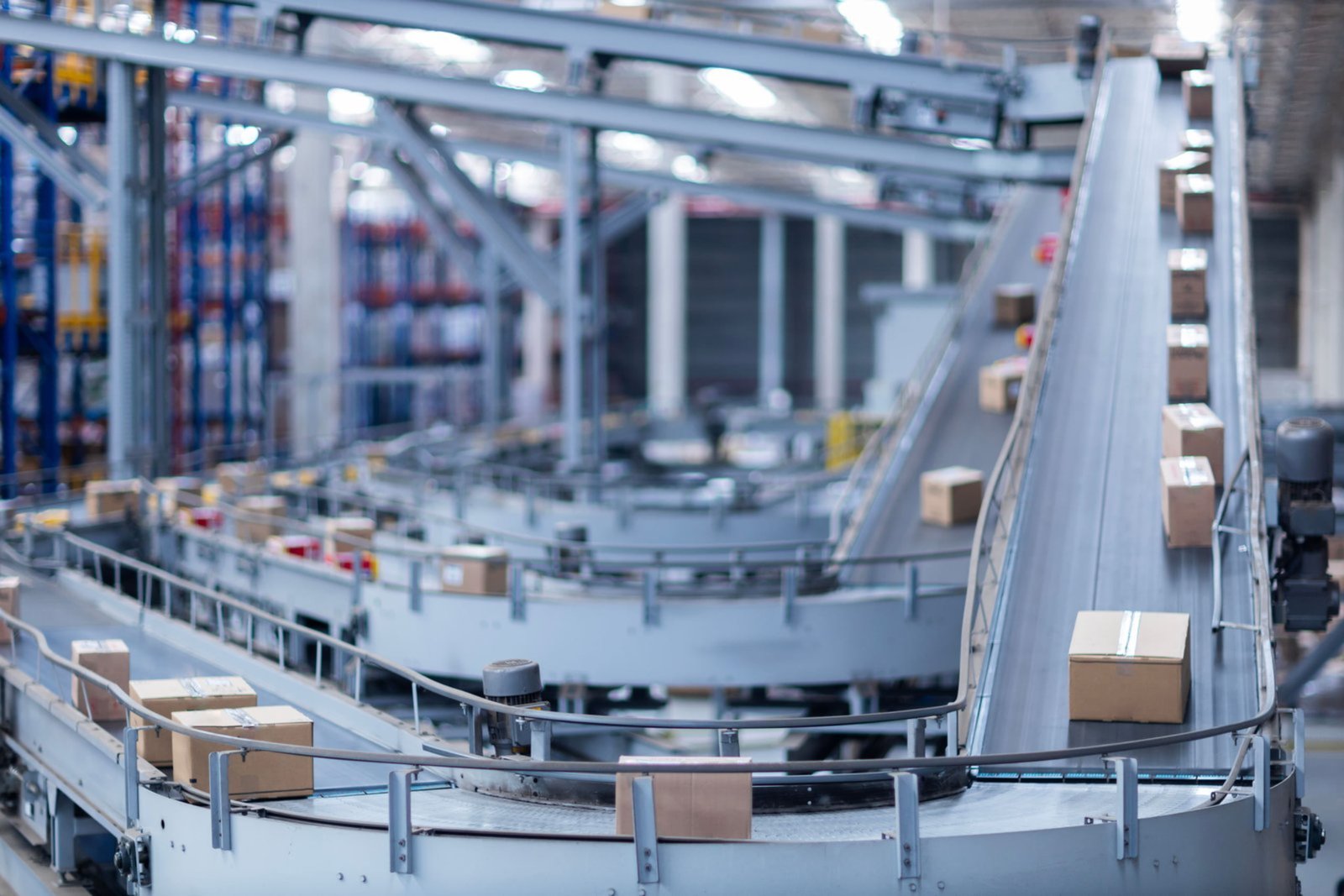
Understanding which framing applies in which context reduces miscommunication between buyers, engineers, and suppliers.
Procurement and Inventory Teams
For procurement teams, conveyor belts typically function as stocked replacement items. They have:
- A defined reorder point based on wear cycles
- A supplier relationship separate from the original equipment manufacturer
- Their own part number or SKU in the inventory system
- A budget line that may fall under maintenance, repair, and operations (MRO) rather than capital equipment
This is classic spare parts behavior. Treating conveyor belts as parts within a procurement system is operationally accurate and practically useful.
Maintenance and Engineering Teams
Maintenance teams replace belts on scheduled intervals or in response to wear and failure. The belt is treated as a consumable part — expected to degrade and be swapped out. This is consistent with how bearings, seals, filters, and wear liners are handled.
Engineering teams, on the other hand, may describe the belt as a system component during design. At that stage, the belt's function, dimensions, and interface with other components matter more than its replaceability. Both uses are valid.
Distributors and Traders
From a supply chain perspective, conveyor belts are sold as standalone products with defined specifications. Distributors stock them by type, width, material, and configuration — not by which machine they came from. They are priced per meter or per unit, catalogued, and marketed as components.
This commercial structure reinforces the parts classification. A distributor does not sell a conveyor system when they ship a roll of modular belt. They sell a component.
Does "Parts" Classification Apply in Customs and Legal Contexts?
This is where I want to be direct about the limits of what a manufacturer can confidently say.
From an operations and supply perspective, conveyor belts behave like parts. But customs classification and legal definitions follow their own frameworks — the Harmonized System (HS), national tariff schedules, and regulatory definitions that vary by jurisdiction.
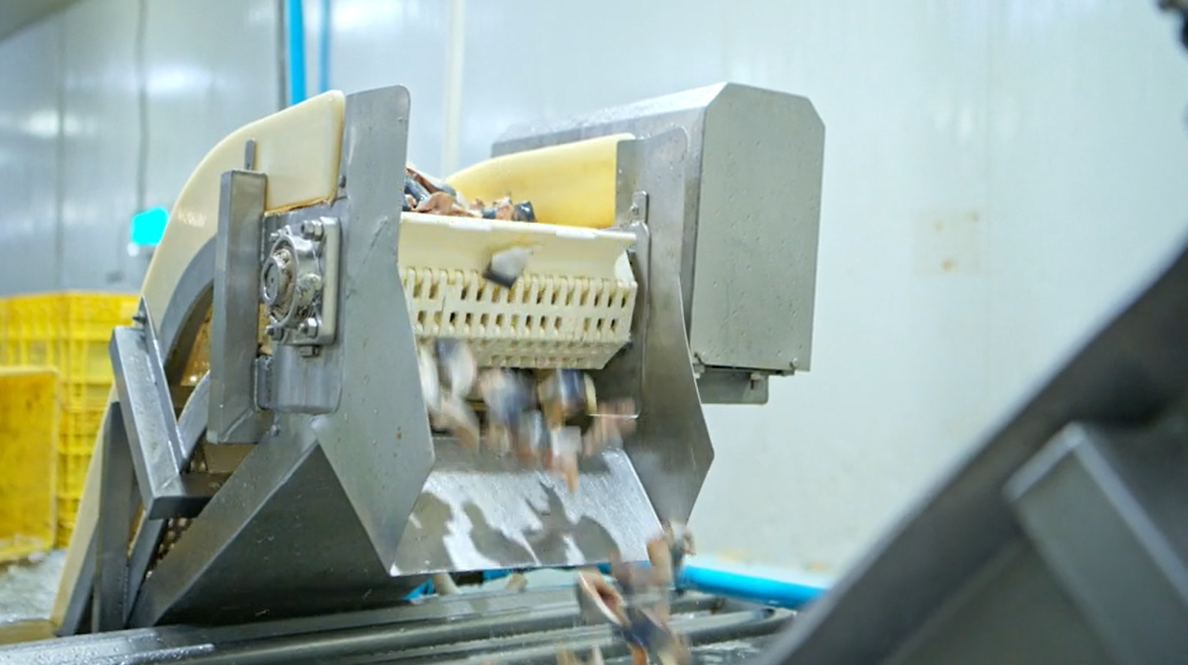
Whether a conveyor belt is classified as a "part of machinery," a "conveyor belt," or a distinct manufactured article under a specific HS heading depends on the actual product, the importing country, and how the relevant authority interprets the classification criteria.
What Manufacturers Can Observe
From years of handling export documentation and customer orders across different markets, a few patterns are clear:
- Conveyor belts are commonly assigned their own HS codes — separate from complete conveyor equipment and separate from general "parts of machines."2
- Buyers importing conveyor belts for replacement and maintenance purposes frequently declare them as parts or components in their own import documentation, but this varies.
- Some product types — particularly modular plastic belts and flat conveyor belts — may be classified differently depending on material composition and end use.
The practical recommendation: If conveyor belt classification matters for your import duties, tariff calculations, or regulatory compliance, verify the applicable HS code and classification rules with a licensed customs broker or trade compliance specialist for your specific product and jurisdiction.
This is not a reason to avoid buying conveyor belts as parts. It is a reason to confirm the paperwork before assuming.
Are Modular Belts and Chain Plates Treated Differently Than Flat Belts?
Not all conveyor belts have the same physical structure, and that occasionally affects how they are described or documented.
A flat rubber or PU belt looks like a continuous material product. A modular plastic belt looks like an assembly of interlocking plastic links. A plastic chain plate looks more like a mechanical chain than a traditional belt. Despite these differences, all three function as conveyor belts in their operational role — and all three are typically handled as replacement parts in purchasing and maintenance contexts.
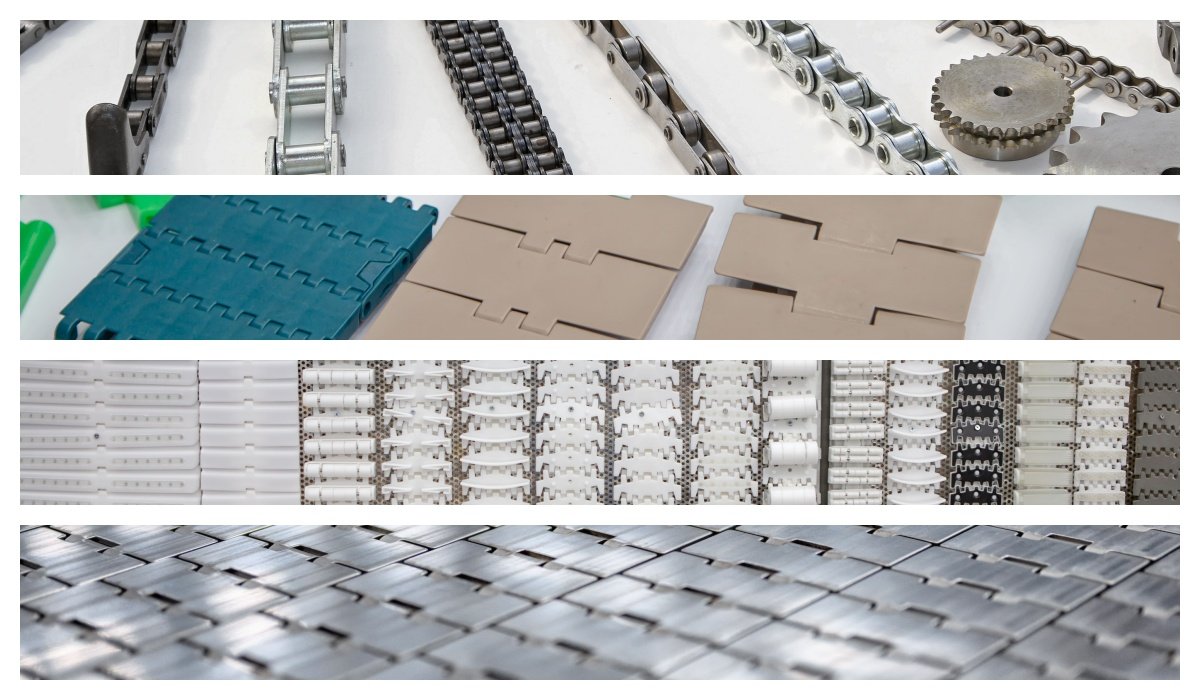
Structural Differences Don't Change the Functional Logic
| Belt Type | Physical Structure | Typical Replacement Pattern | Common Procurement Method |
|---|---|---|---|
| Flat PU / rubber belt | Continuous roll or cut length | Replace when worn or damaged | Order by width and length |
| Modular plastic belt | Interlocking plastic modules | Replace sections or full belt | Order by width, pitch, and row count |
| Plastic chain plate | Linked metal or plastic plates | Replace plates or full run | Order by plate type, pitch, and quantity |
| Timing belt | Toothed synchronous belt | Replace on schedule or at failure | Order by profile and circumference |
All four types appear on maintenance schedules. All four are supplied as discrete products. All four can be sourced independently from the conveyor equipment manufacturer.
The structural difference matters when specifying the replacement — not when deciding whether to treat the belt as a part.
Frequently Asked Questions
Can a conveyor belt be listed as a spare part in an MRO inventory system?
Yes. Conveyor belts fit naturally into MRO inventory because they are replaceable items with defined wear cycles. They carry their own specifications, require periodic replacement, and can be stocked ahead of planned maintenance. Treating them as spare parts within a maintenance inventory system is operationally consistent.
Is a conveyor belt considered equipment or a component?
In most purchasing and maintenance conversations, a conveyor belt is treated as a component or part — not as standalone equipment. It requires a complete conveyor system to function. The distinction matters: equipment typically has its own drive, controls, and structure; a conveyor belt has none of these independently.
Do conveyor belts have their own HS codes for import and export?
Conveyor belts are often assigned specific HS codes that differ from both complete conveyor equipment and general machine parts. The exact code depends on the belt's material, structure, and end use, as well as the importing country's tariff schedule. Confirm the applicable code with a licensed customs broker before filing documentation.
Can I source a replacement conveyor belt from a different supplier than the original equipment manufacturer?
In most cases, yes — provided the replacement belt matches the original specifications for width, pitch, material, and structure. Many maintenance teams source conveyor belts from component manufacturers or distributors rather than the original OEM, particularly when the OEM lead times are long or prices are less competitive. Compatibility verification is the critical step.
Why do some suppliers list conveyor belts under "conveyor equipment" rather than "conveyor parts"?
Supplier catalogue structures vary. Some suppliers organize product ranges by system type rather than component type, which places belts under equipment categories for navigation purposes. This is a cataloguing choice, not a technical classification. The belt itself remains a replaceable component regardless of where it appears in a product menu.
Conclusion
Conveyor belts are not the whole conveyor system, but they are far more than a generic accessory. As a replaceable, independently specified, and separately supplied component, classifying conveyor belts as parts makes sense in the vast majority of purchasing, maintenance, and inventory contexts. The classification is context-dependent — engineering design, procurement, customs documentation, and legal definitions each apply their own framework — but the operational logic is consistent: a conveyor belt wears out, gets replaced, and can be ordered on its own specification. That is the behavior of a part.
If you're sourcing conveyor belts and want to confirm specifications, check material compatibility, or discuss supply options for your production line, Molytech's engineering team is available to help you find the right product and get it supplied reliably.
<!--[googlesitekit-end-of-content]-->
"DESIGN, DEVELOPMENT AND ANALYSIS OF ROLLER ...", https://www.academia.edu/50991214/DESIGN_DEVELOPMENT_AND_ANALYSIS_OF_ROLLER_BELT_CONVEYOR_SYSTEM_A_REVIEW. Engineering descriptions of belt conveyors identify the belt as one component in an assembly that also includes drive, support, and guiding elements, supporting the claim that the belt is a functional element within a larger system. Evidence role: definition; source type: education. Supports: A source should define a belt conveyor as an assembly in which the belt is one component interacting with drive and support structures.. ↩
"Harmonized Tariff Schedule of the United States Revision ...", https://hts.usitc.gov/reststop/file?release=currentRelease&filename=Chapter%2084. Tariff schedules list conveyor or transmission belts under headings such as rubber or textile belt categories, while complete conveyors and machinery parts appear under separate machinery headings, supporting the distinction between belt-specific and equipment-level classifications. Evidence role: case_reference; source type: government. Supports: A source should show tariff headings for conveyor belts and distinguish them from headings for lifting or conveying machinery and machine parts.. Scope note: The exact heading depends on material, construction, product details, and the importing jurisdiction's tariff schedule. ↩