

Production bottlenecks often stem from choosing the wrong equipment, leading to constant downtime and wasted labor. When your line doesn't match your product’s physical requirements, the entire workflow suffers. At Molytech, we help clients select the right conveyor systems to ensure seamless material flow, preventing costly mismatches before they ever start.
Conveyor systems are categorized based on their mechanical design and the specific needs of the items they transport1, such as weight, texture, and environmental conditions. The most common systems include chain plate, modular belt, PVC/PU belt, and roller conveyors, each serving distinct roles in food processing, packaging, and logistics industries.
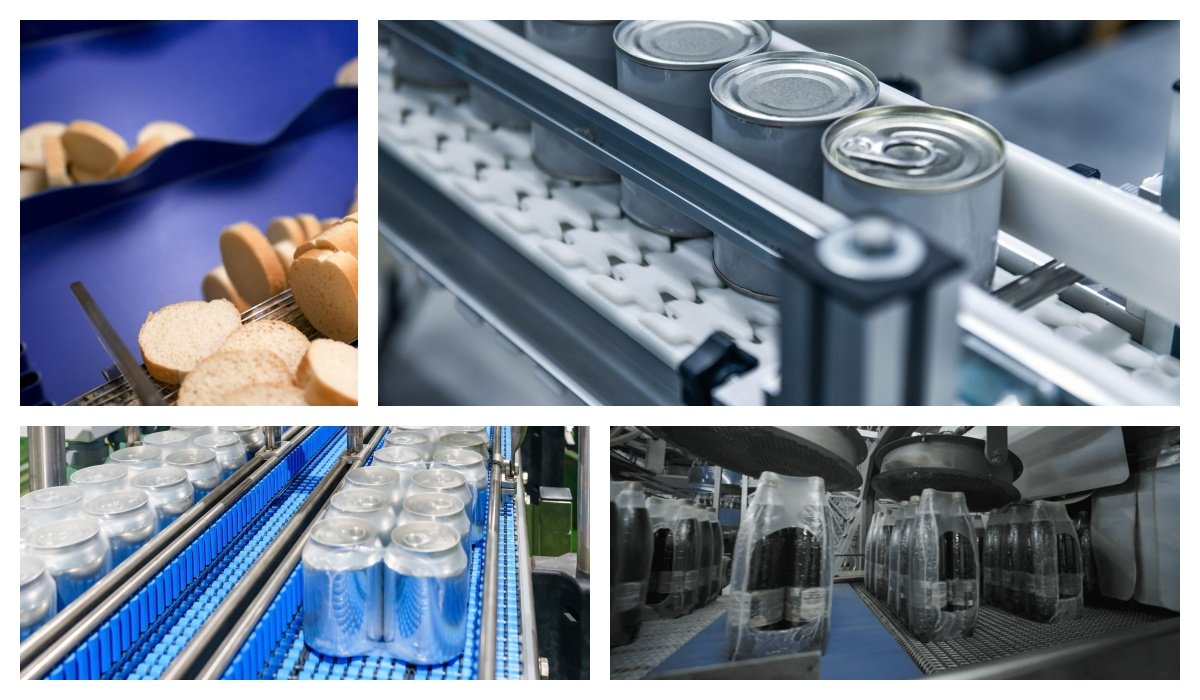
Choosing the right system involves understanding how your product interacts with the belt or surface. Below, we break down the most common systems we manage at Molytech to help you identify which technology aligns with your operational goals.
What are the characteristics of chain plate conveyor systems?
Production lines handling glass bottles, heavy metal components, or products in wet environments often struggle with standard belt slippage. These environments require a robust, stable base that resists moisture and heavy wear. In our experience, chain plate systems provide the necessary durability for these demanding high-speed, high-impact scenarios.
Chain plate conveyors use rigid, interlocking plates made of plastic or metal to create a durable, flat surface that excels at moving heavy, high-volume, or unstable products through complex production lines.
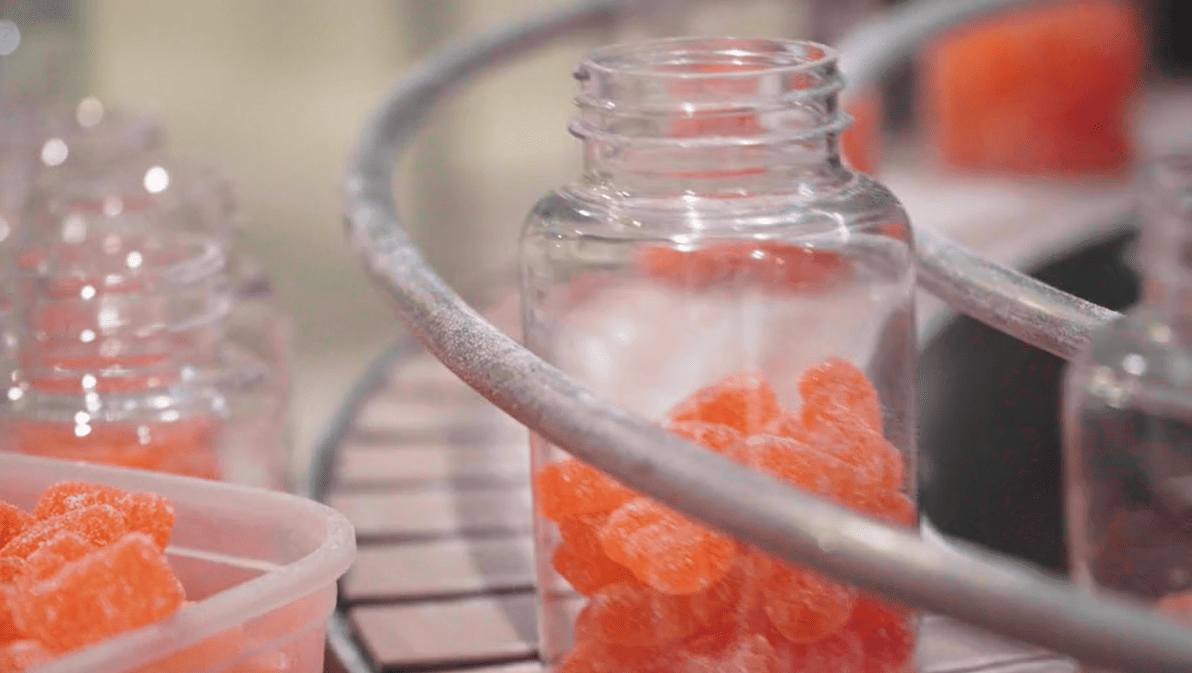
Why choose a chain plate system?
We frequently supply these to the beverage and canning industries because they can handle "washdown" requirements—a standard in facilities where hygiene is non-negotiable. Because the plates are individual components, they offer a significant maintenance advantage: if one section wears out, you replace only the damaged plates rather than the entire belt.
- Load Distribution: Excellent for heavy, abrasive products that would tear through softer belt materials.
- Hygiene: Plastic chain plates are designed with non-porous surfaces, making them resistant to chemical cleaners and microbial buildup2.
- Stability: The rigid nature of the plates prevents tipping for tall, narrow items like bottles or jars.
| Feature | Chain Plate Conveyor |
|---|---|
| Primary Use | Bottling, Canning, Meat Processing |
| Material | POM (Plastic) or Stainless Steel |
| Best Feature | High impact resistance and durability |
| Maintenance | Sectional repair is fast and simple |
In the field, I have seen clients switch from standard fabric belts to chain plate systems specifically to stop "product drift." When you have a high-speed filling line, the consistency of the movement is everything. The modularity of these chains allows for various track configurations, including curves and inclines, which are vital when your floor space is limited.
When should you use modular belt conveyor systems?
It is frustrating to deal with a conveyor belt that requires a total shutdown for a simple repair. For food processors and pharmaceutical companies, every minute of lost production represents lost revenue. Modular belt conveyors are designed to solve this by using interlocking plastic modules that allow for rapid maintenance and superior sanitation control.
Modular belt conveyors utilize a series of individual plastic modules connected by hinge rods3, providing a flexible, easy-to-clean solution that is ideal for processing environments requiring frequent sanitation.
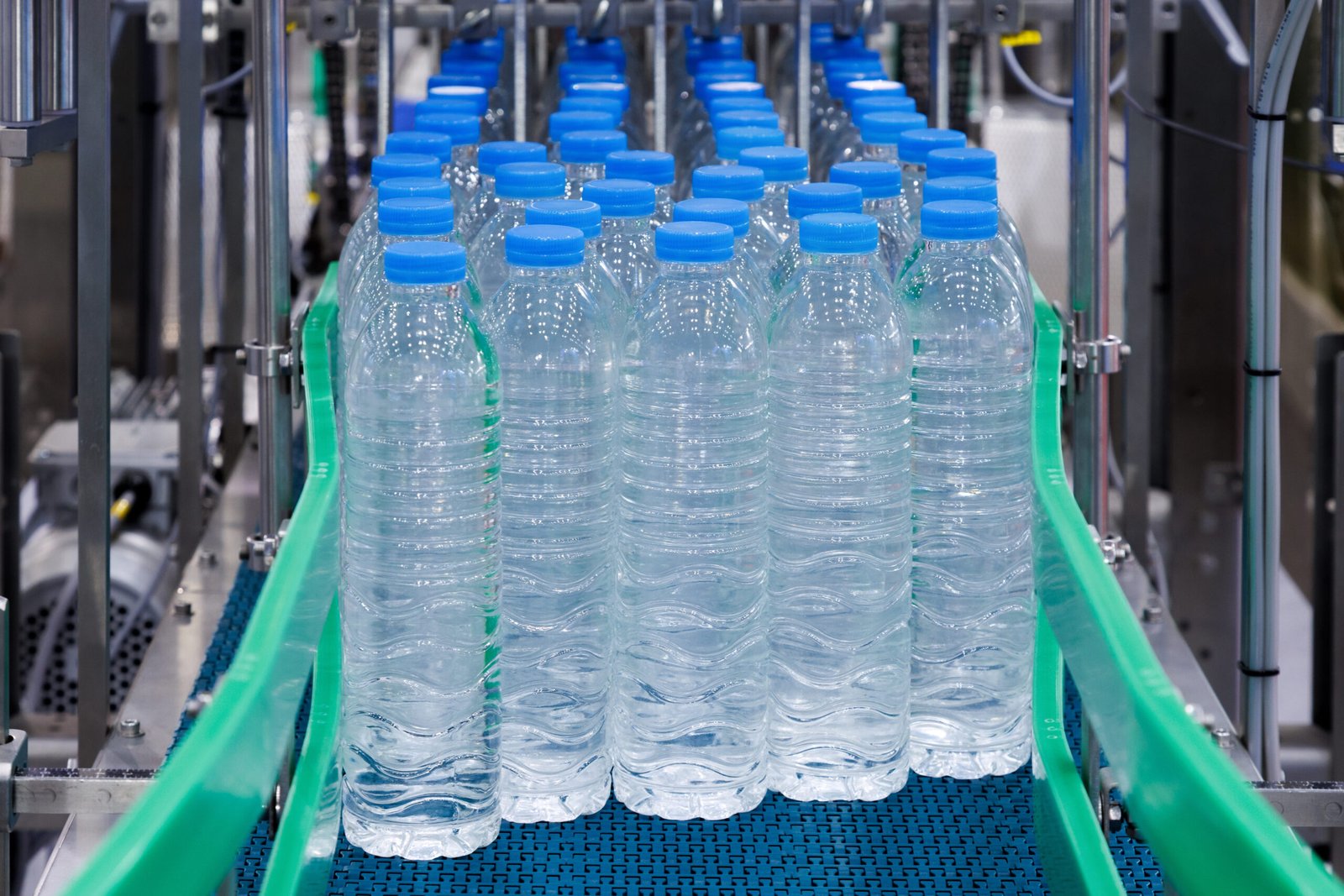
Understanding the versatility of modular belts
At Molytech, we find that the modular design is a game-changer for businesses that handle food. Unlike flat belts, these can be flipped or partially replaced, saving thousands in annual maintenance costs. They are also capable of "radius" configurations, meaning they can turn corners without needing separate transfer points4, which reduces the chance of product damage.
- Open-Grid Options: We often provide "open" belts for cooling or drying, as the airflow passes through the belt surface.
- Easy Cleaning: Because the belt is essentially a series of plastic hinges, workers can pressure-wash the entire system effectively.
- Customization: You can add flights (raised sections) or side guards to the belt to prevent products from sliding off during steep inclines.
When our customers in the bakery sector ask for a solution that can handle high-heat cooling tunnels while maintaining a sterile environment, we almost always point to modular systems. They do not stretch like traditional rubber belts, and they don’t suffer from the "fraying" edge issues common in older fabric-based systems.
What makes PVC and PU belt conveyors standard for general transport?
If you are moving lightweight, uniform packages across a long, flat distance, using a complex chain or modular system is often overkill. Many of our clients in light manufacturing and general packaging find that PVC or PU (Polyurethane) belts offer the most cost-effective and efficient solution for simple product transportation.
PVC and PU belt conveyors use a flat, continuous synthetic belt to transport items smoothly across stable, flat paths5, serving as the industry standard for logistics and product assembly lines.
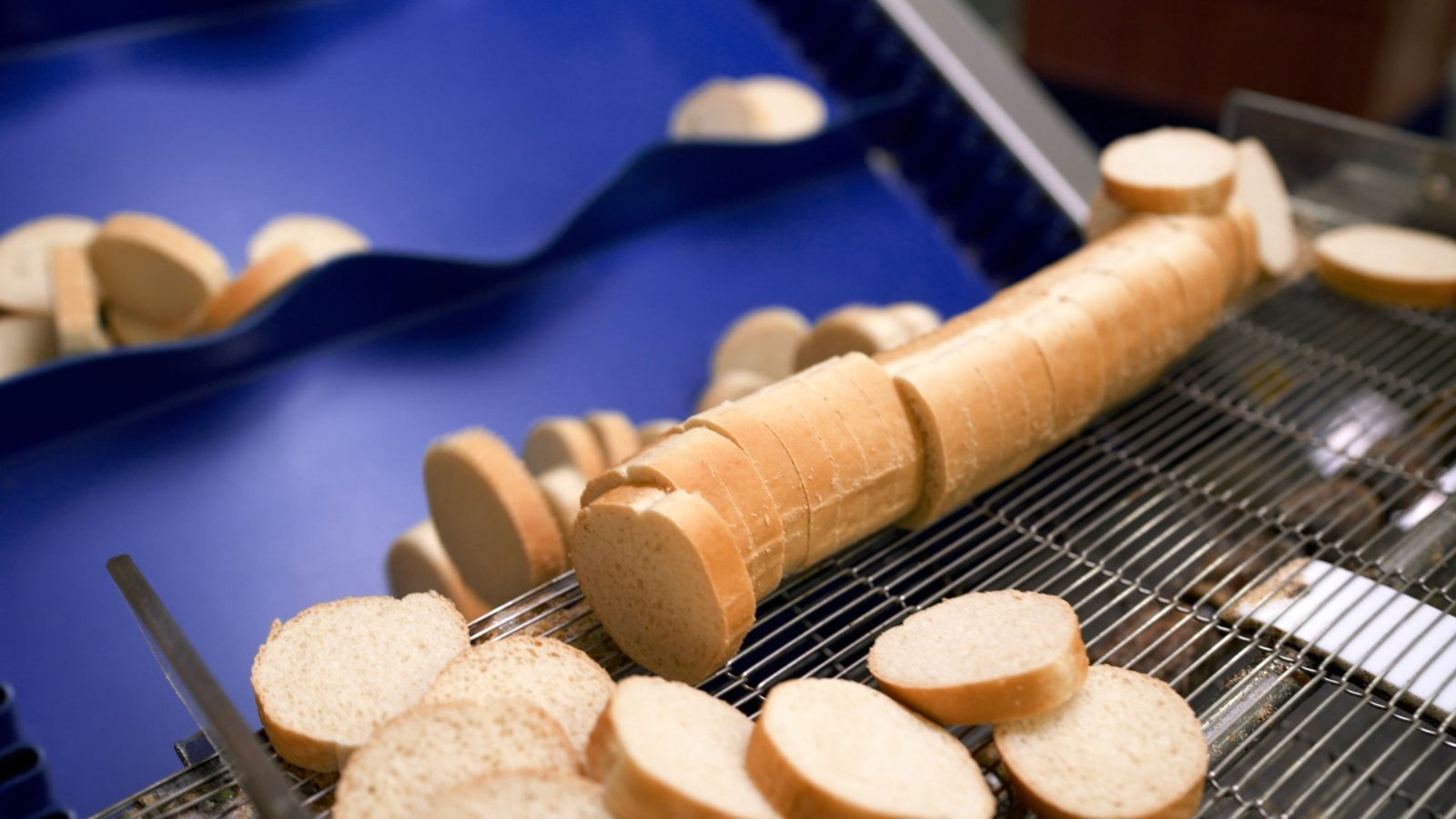
The role of flat belts in production
These belts are favored for their low noise profile and their ability to move items very quickly without a lot of mechanical friction. While they lack the impact resistance of modular or chain systems, they are perfect for assembly lines where the product is lightweight or already packaged.
- Precision: These belts are ideal for sorting and inspection lines where the product needs to stay perfectly aligned.
- Cost: They represent the most economical initial investment for most production facilities.
- Surface Varieties: You can source belts with specific textures—grip tops for inclines or anti-static coatings for electronic parts.
However, a word of caution from our supply experience: these belts are not a "catch-all." We see many cases where customers try to use a standard PU belt in a raw-meat processing area. This is a common point of failure because organic fats can break down the belt material over time, and cleaning these belts is significantly harder than rinsing off a plastic modular system. Always match the material grade to the product’s acidity and the environment’s cleaning frequency.
How do roller conveyor systems function in logistics?
Bottlenecks at the end of the line can grind your entire operation to a halt. When you move boxes, cartons, or pallets, you don't need a continuous surface; you just need a way to support the weight while minimizing friction. Roller conveyors are the go-to solution for logistics and warehouse management, as they turn gravity or motor power into an efficient transport tool.
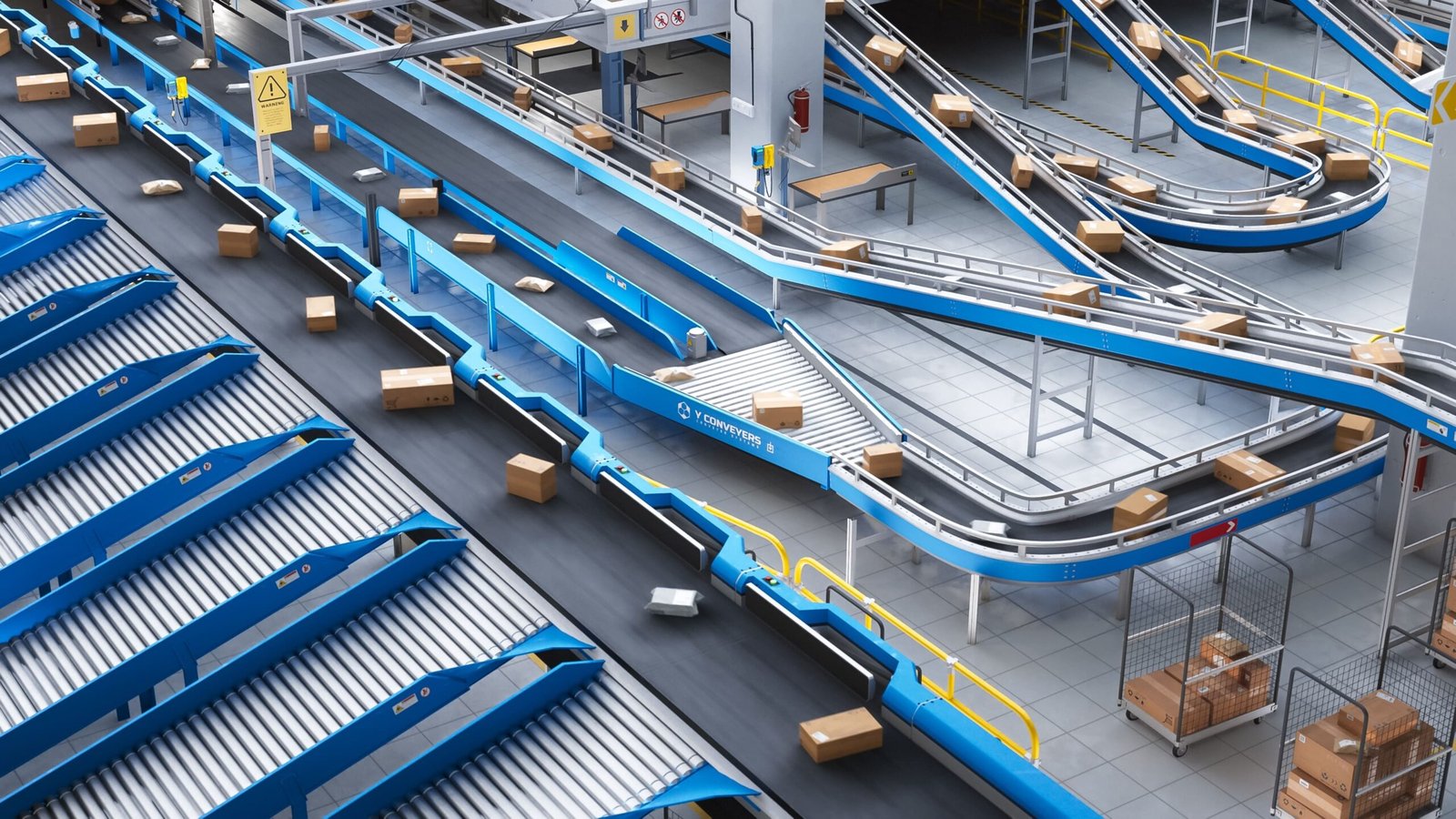
Roller conveyors move products using a series of cylindrical rollers set into a frame, utilizing either gravity or internal motors to transport rigid, uniform items through warehouses and shipping areas.
The mechanics of roller systems
In my ten years of sourcing parts for clients, I’ve learned that roller conveyors should be seen as "the heavy lifters." They are perfect for secondary packaging—meaning once your product is in a box or a crate, it belongs on a roller system. They don’t require the hygiene compliance of a modular belt, making them ideal for the "dirty" zones of a factory, such as the shipping dock or raw material storage area.
- Gravity vs. Powered: You can save on electricity by using gravity for slight inclines, or opt for powered rollers (motorized pulleys) for complex, long-distance transport.
- Low Maintenance: Rollers are simple mechanical components that are easy to replace individually.
- Accumulation: These systems allow for "zero-pressure accumulation," where boxes can queue up behind each other without colliding or forcing the motor to work harder.
One important distinction: never use roller conveyors for loose, small, or irregular items. If the product is too small, it will fall between the gaps. If it is too soft, it will sag into the rollers and create a jam. They are designed specifically for rigid, box-shaped loads.
Frequently Asked Questions
Which conveyor system is best for food hygiene?
For the highest levels of food hygiene, modular plastic belt conveyors and chain plate conveyors are preferred. Their open design and non-porous materials allow for thorough cleaning with water and chemicals, ensuring that no bacteria can hide in seams or edges, which is a major concern in dairy, meat, and bakery processing.
Can I mix different conveyor types on the same line?
Yes, it is common to mix systems. You might use a modular belt for an in-feed process that requires cleaning, transition to a PVC belt for precise weight checking, and finally move goods onto a roller conveyor for case packing. Each section should match the specific requirements of that stage of production.
How do I know when a belt needs to be replaced?
Look for signs of material fatigue, such as surface cracking, edge fraying (on fabric belts), or missing hinge rods (on modular belts). If you notice consistent belt slippage or motor straining that isn't solved by tensioning, it is likely that the belt structure has reached the end of its operational lifespan.
Conclusion
Choosing the right conveyor system is a balancing act between the physical nature of your product and the requirements of your production environment. Whether you need the heavy-duty stability of a chain plate conveyor, the sanitary flexibility of a modular belt system, the speed of a PVC/PU belt, or the logistical efficiency of roller conveyors, the goal remains the same: seamless, uninterrupted movement. At Molytech, we specialize in helping our clients navigate these choices, ensuring you select high-quality, reliable components that fit your specific application. If you are ready to optimize your line, contact our team for professional sourcing advice today.
"Conveyor system - Wikipedia", https://en.wikipedia.org/wiki/Conveyor_system. A general materials-handling reference describes conveyors as mechanical handling devices whose type and design are selected according to the load and the required transport path, supporting the article's classification framework. Evidence role: definition; source type: encyclopedia. Supports: A neutral reference should support that conveyors are classified by mechanism and by the material-handling requirements of loads.. Scope note: Such a source would support the general classification logic rather than the article's specific list of conveyor types. ↩
"Microbial investigation of cleanability of different plastic and ...", https://pmc.ncbi.nlm.nih.gov/articles/PMC10439085/. Hygienic-design literature identifies smooth, non-porous food-contact surfaces as important for cleanability and for limiting microbial harborage during sanitation. Evidence role: mechanism; source type: paper. Supports: A materials or hygienic-design source should support that smooth, non-porous food-contact plastics are easier to clean and can reduce microbial harborage compared with porous or damaged surfaces.. Scope note: This supports the hygiene principle for suitable plastic surfaces, but actual microbial resistance depends on material grade, surface wear, and cleaning protocol. ↩
"(PDF) Article is protected by German copyright law Novel calculation ...", https://www.academia.edu/127159709/Article_is_protected_by_German_copyright_law_Novel_calculation_method_for_chain_conveyor_systems. Technical descriptions of modular plastic conveyor belts state that they consist of interlocking plastic modules connected by rods or hinge pins to form a continuous conveying surface. Evidence role: definition; source type: education. Supports: A technical educational source should confirm that modular plastic conveyor belts are assembled from linked modules joined by rods or hinges.. ↩
"(PDF) Fabric Conveyor Belts Engineering Guide - Academia.edu", https://www.academia.edu/40462440/Fabric_Conveyor_Belts_Engineering_Guide. Technical references on radius modular belts describe their ability to follow curved conveyor paths, allowing products to turn corners without an additional straight-to-straight transfer in some layouts. Evidence role: mechanism; source type: education. Supports: A technical source should explain that radius modular belts can convey products around curves within one conveyor system.. Scope note: This applies only to modular belts designed for radius operation and to layouts within the belt's allowable turning radius. ↩
"(PDF) Classification of Impact Damage on A Rubber-Textile ...", https://www.academia.edu/49526344/Classification_of_Impact_Damage_on_A_Rubber_Textile_Conveyor_Belt_A_Review. Technical materials-handling sources describe PVC and polyurethane conveyor belts as continuous synthetic belt surfaces used to carry products along flat or gently inclined conveyor paths. Evidence role: definition; source type: education. Supports: A technical source should confirm that PVC and PU conveyor belts are continuous synthetic flat belts used in belt conveyor systems.. ↩