

Plastic Modular Belting Solutions for Food & Beverage Industry
Choosing the wrong modular belt for a food or beverage line isn't just a procurement mistake — it creates downtime, mismatched sprockets, premature wear, and frustrated engineers. The problem is that plastic modular belts are often treated as a generic category. They aren't. The right belt depends on what you're conveying, how your line is laid out, and what's already installed.
Plastic modular belting for food and beverage applications is a selection issue, not just a product category. The right belt depends on the conveyed product, line layout, belt pitch, material, and compatible accessories like sprockets, wear strips, and guide rails. A workable solution usually requires confirming existing specifications before recommending anything.
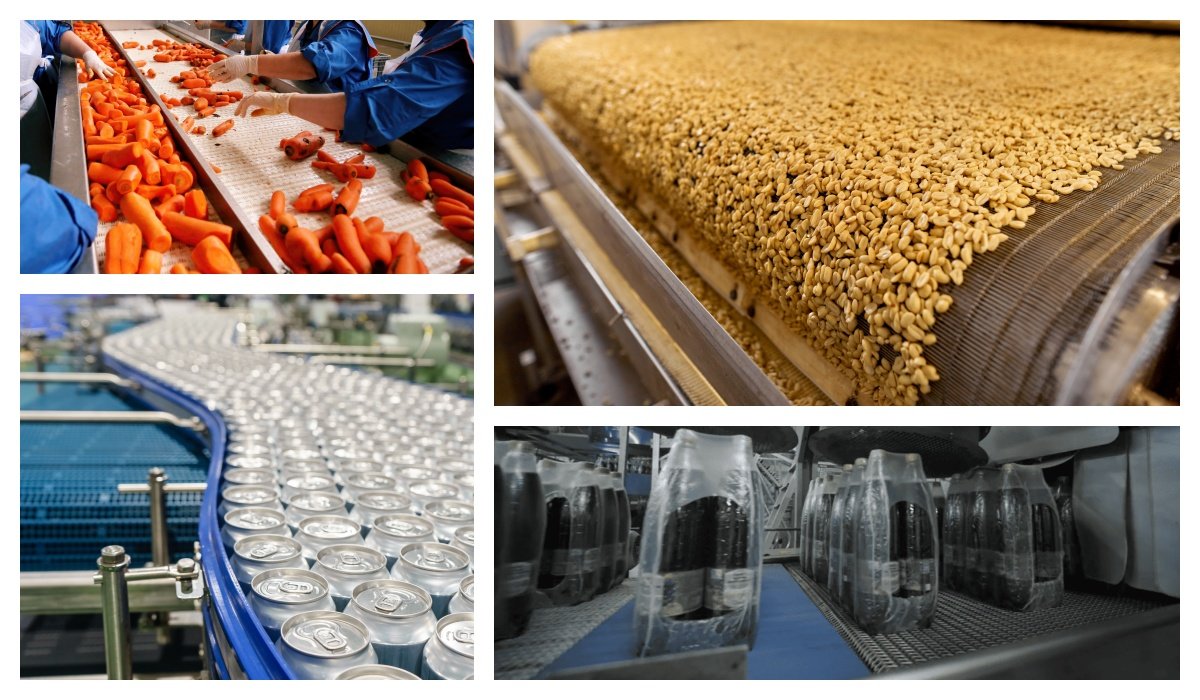
Most suppliers will show you a catalog. What actually solves the problem is knowing which questions to ask before placing an order. The sections below walk through the real selection logic — using the kinds of inquiries we handle regularly.
What Are You Actually Conveying — and Why Does It Change Everything?
The conveyed product is almost always the first filter in any modular belt selection conversation. If you skip this step, you end up recommending a belt that looks right on paper but causes problems on the line.
The belt that works well for filled PET bottles behaves completely differently under glass jars, flexible pouches, or shrink-wrapped multi-packs. Surface type, open area, friction coefficient, and belt rigidity all shift depending on what sits on top of the belt and how that load is distributed.
Bottles and Cans: Stability and Surface Contact Matter
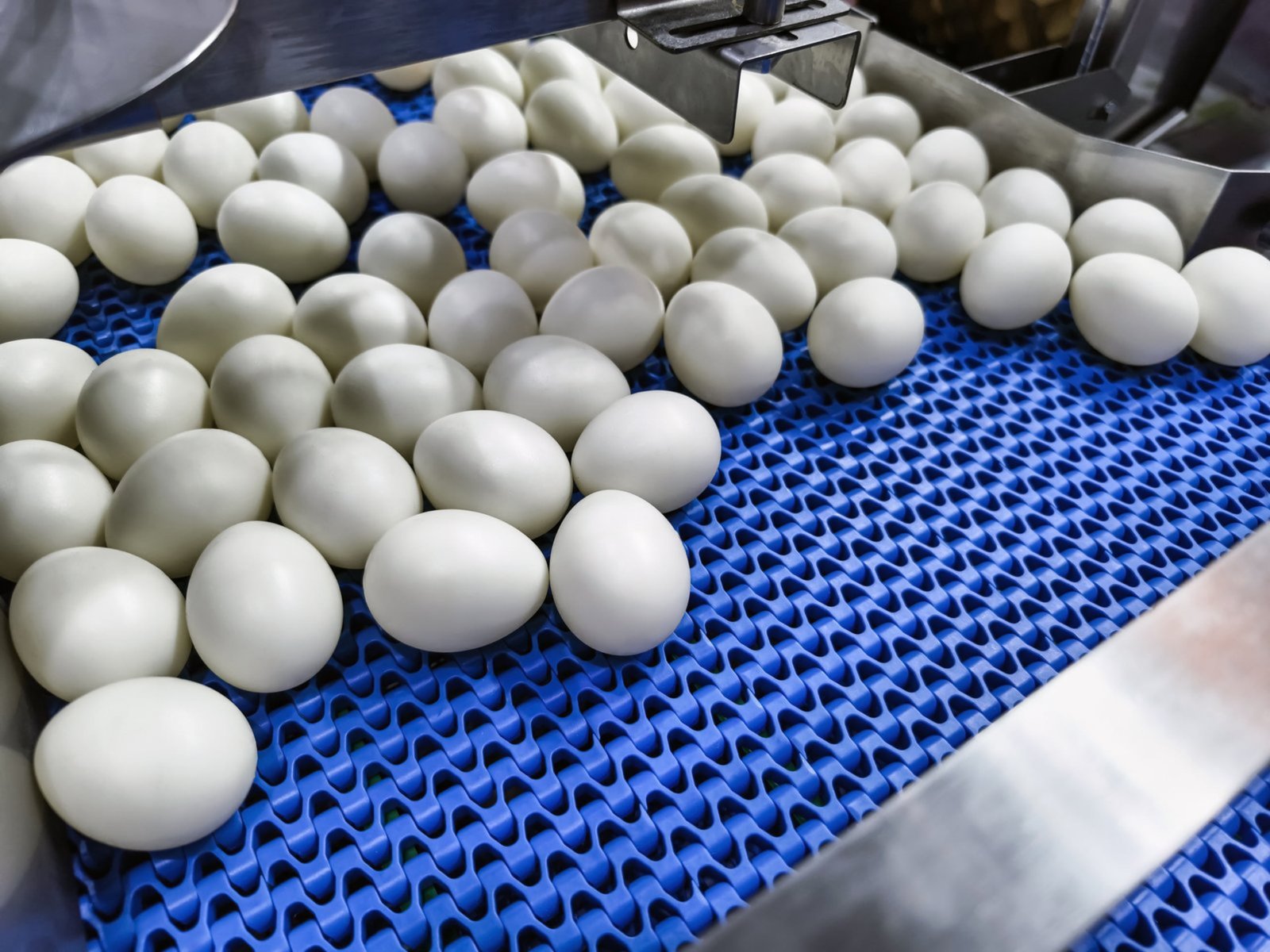
For bottled and canned beverage lines, we frequently see two recurring concerns in customer inquiries: belt surface friction and product stability at transfers and curves.
Filled bottles — especially tall PET bottles — are top-heavy. If the belt surface is too smooth or the pitch is too wide, bottles tip at transfers or when the line stops suddenly. Common belt choices for this application include:
- Flat-top belts with a slightly textured surface for friction
- Low-friction flat-top belts where smooth sliding and accumulation are needed (such as pressureless accumulation zones)
- Radius or side-flexing belts for curved conveyor sections
A customer inquiry we received recently illustrates this well. A purchasing manager at a canned beverage facility sent us photos of their existing conveyor and mentioned that cans were tipping at a 90-degree curve. They provided the belt width and what they believed was the pitch, but weren't sure of the sprocket model. Before we could recommend anything, we needed to confirm:
- The actual belt pitch (the photos showed what appeared to be a 1-inch pitch flat-top, but we needed confirmation)
- The sprocket tooth count and shaft diameter
- Whether they were replacing the full belt or just a damaged section
That last point matters more than most buyers expect. If you're replacing only part of a belt, the new rows need to match the existing hinge rod diameter and connector pin type — otherwise the belt won't link correctly.
Packaging Lines: Before and After the Packer
Packaging-line conveyors — the sections feeding into or out of a cartoner, shrink wrapper, or case packer — present a different set of selection criteria.
Here, the main considerations are typically:
- Belt surface cleanliness: Packaging material residue, label adhesive, and film fragments accumulate on open-hinge designs
- Transfer gap: The gap between belt end and the next machine infeed needs to be as small as possible to avoid product jams
- Lateral product control: Cartons and pouches need side guidance — which means the belt selection is tied to the side guard and guide rail configuration
| Application Zone | Common Belt Type | Key Concern |
|---|---|---|
| Bottle single-filing | Flat-top, low-friction | Stability, accumulation |
| Can curve conveying | Radius / side-flex belt | Turning radius, tipping |
| Carton outfeed | Flat-top, closed surface | Transfer gap, cleanliness |
| Pouch or flexible pack | Friction-top | Grip, incline stability |
| Shrink-wrap infeed | Flat-top, open area | Heat dissipation (tunnel exit zone) |
How Do Line Layout and Existing Specifications Shape the Selection?
The layout of your conveyor line is the second major filter. A straight horizontal run, a curved section, a slight incline, or a transfer between two belt sections each call for different belt designs. And once the line is built, the existing specifications constrain almost every replacement decision.
Many of the inquiries we receive come from customers who already have a line running and need to replace or match a belt. In this situation, our first questions are almost always about what's currently installed — not about what might theoretically be ideal.
Why Pitch and Width Are the Starting Point
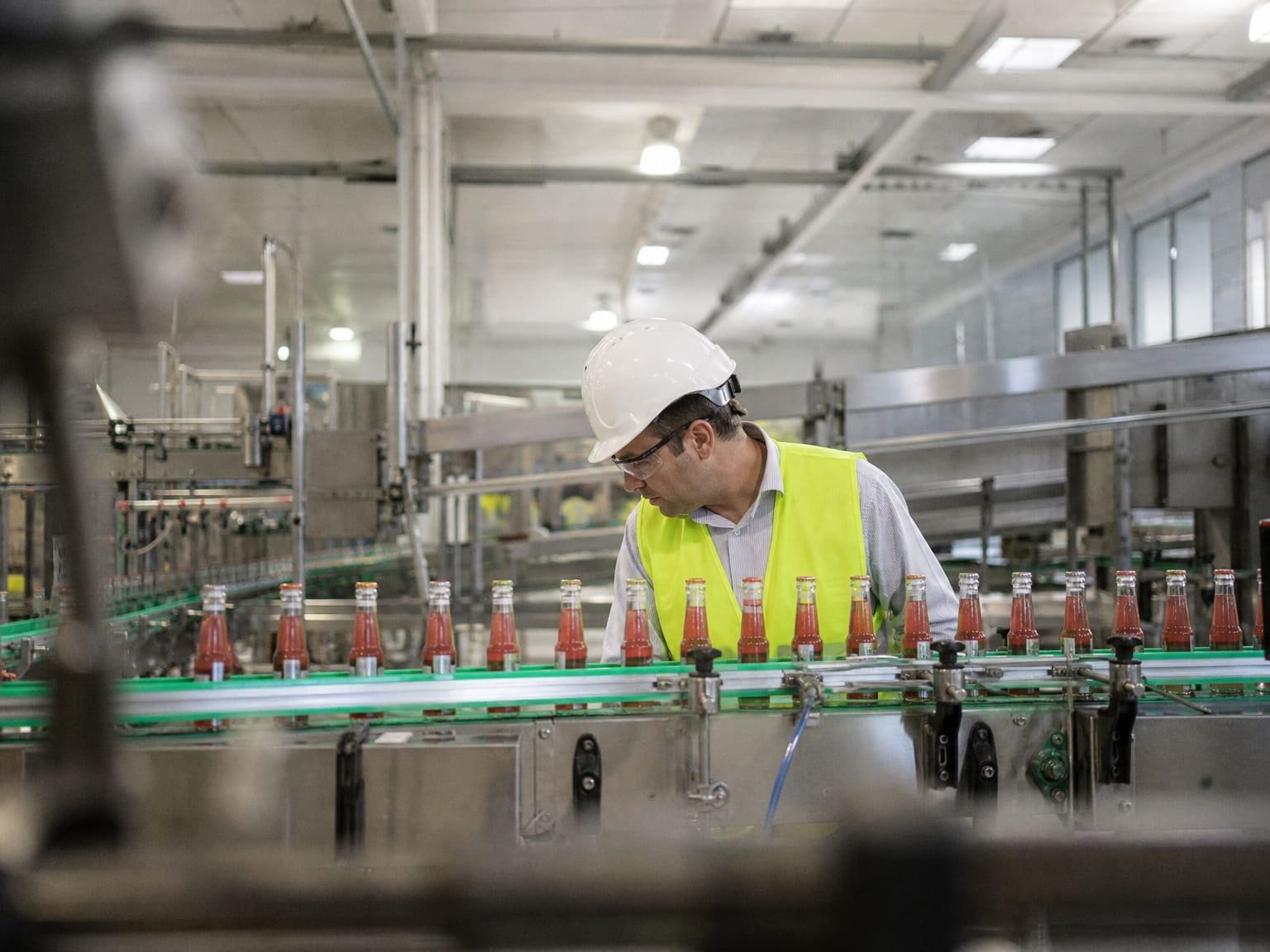
Belt pitch and working width are the minimum information needed to identify a candidate belt. But pitch alone doesn't define compatibility. Two belts with the same nominal pitch can have different hinge rod diameters, different module heights, and different drive configurations.
When a customer tells us they're running a "1-inch pitch belt," we ask for:
- Brand or belt series reference, if available (different manufacturers use their own module geometries)
- Photos of the belt surface and underside, especially the hinge area
- Photos of the sprocket, including the number of teeth and any visible markings
This is not over-caution. We've seen cases where a customer ordered a replacement belt based on pitch and width alone, only to find that the new belt's hinge rod didn't seat correctly in the existing sprockets. The belt ran, but wore unevenly and started jumping within weeks.
Sprocket Matching: Often Overlooked Until It's a Problem
Sprockets are frequently treated as an afterthought — but they're the mechanical interface between the belt and the drive system. If the sprocket tooth profile doesn't match the belt's drive lug geometry, you'll get:
- Uneven wear on the belt underside and sprocket teeth
- Belt tracking problems, especially on wider belts
- Premature module cracking at the hinge points
When we receive an inquiry that includes sprocket replacement alongside belt replacement, we ask for the sprocket's tooth count, bore size, keyway specification, and shaft material. If the customer can share the existing sprocket brand or part number, that dramatically speeds up the matching process.
For customers who can't provide sprocket details, we ask for clear photos — ideally with a ruler or coin in frame for scale. This is a practical workaround, not a perfect solution, but it's often enough to narrow the options significantly.
Straight Runs vs. Curves vs. Inclines
The conveyor path determines belt design eligibility:
- Straight flat conveyors: Most flat-top modular belts work here. Selection narrows based on product and surface requirements.
- Horizontal curves: Requires a radius belt specifically designed for side-flexing. Standard flat-top belts cannot negotiate curves without tracking problems.
- Inclines and declines: Friction-top or cleated belts are often considered. The belt material and surface texture become more important for product grip.
- Transfer sections: The belt end geometry affects the transfer gap. Some belts have nose bar compatibility; others require a different approach.
A common configuration we see in beverage plants is a straight accumulation conveyor feeding into a 90-degree horizontal curve, then transitioning onto another straight section. This may involve two different belt types — a flat-top for the straight sections and a radius belt for the curve — along with separate sprocket sets and potentially different guide rail profiles at the curve entry and exit.
What Accessories Actually Complete a Modular Belting Solution?
When a buyer asks about modular belts, they're often thinking only about the belt itself. In practice, a functional belting solution also involves the supporting components — and getting those wrong causes just as many problems as getting the belt wrong.
The Components That Belong in the Same Conversation
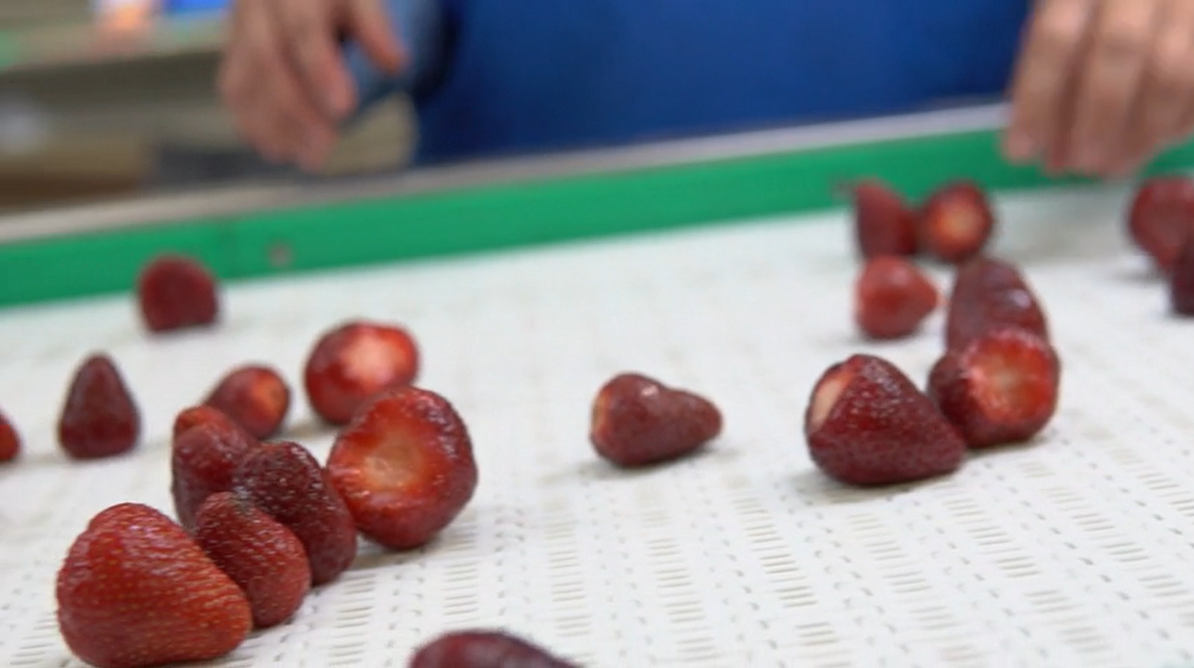
Here are the accessory elements we commonly address alongside belt selection:
Sprockets Already discussed above. The key point: sprocket and belt must be selected as a matched pair, not independently.
Wear Strips The belt runs on wear strips (also called slide rails or wear rails) that support the carrying span and the return run. The material of the wear strip affects friction, noise, and belt lifespan. Common materials are UHMW-PE and various engineering plastics.1 If the existing wear strips are worn or incorrectly profiled, a new belt will still wear unevenly.
Guide Rails and Side Guards These define the product lane and keep items from falling off the belt edge. For food and beverage lines, guide rail height, spacing, and profile need to match the product dimensions. We've had customers ask for belts and then discover their existing side guard brackets don't accommodate the new belt height — which required bracket adjustment before the belt could be installed.
Return Rollers and Support Frames If a customer is doing a full conveyor refurbishment, we'll often discuss return roller placement and support frame spacing. However, this moves toward conveyor design territory, and we're careful to note that on-site structural decisions belong with the installer or the equipment supplier — not with us.
Matching Accessories to Existing Lines
The practical challenge for most replacement inquiries is that the customer wants to keep everything else and just replace the belt. This is reasonable, but it requires confirming that the new belt's module height, hinge rod diameter, and drive lug geometry are compatible with the existing wear strips, sprockets, and frame profile.
Our process for this:
- Collect available specs: belt pitch, width, current brand/series if known
- Collect photos: belt surface, underside, sprocket, and frame cross-section if possible
- Cross-reference with available belt options: identify candidates that match or are close
- Flag any compatibility concerns before confirming the order
This process isn't complicated, but it requires patience and clear communication with the customer. We'd rather ask one more question than confirm a shipment that doesn't fit.
Frequently Asked Questions
What information should I prepare before requesting a modular belt quotation?
At minimum: belt pitch, working width, and the conveyed product type. If possible, also share the current belt brand or series, sprocket tooth count and bore size, and photos of the belt underside and sprocket. The more detail you provide upfront, the faster and more accurately we can match the right product.
Can I replace just part of a modular belt without replacing the whole belt?
Yes, modular belts can be repaired row by row. However, the replacement modules must match the existing belt's pitch, hinge rod diameter, and module geometry. Mixing incompatible modules from different manufacturers or series is a common source of premature belt failure.
Do I need to replace my sprockets when I replace the belt?
Not always. If the existing sprockets are in good condition and the tooth profile matches the new belt's drive lug geometry, you can reuse them. We recommend inspecting sprocket teeth for wear before deciding. If sprocket teeth are visibly worn or asymmetric, replacing them alongside the belt is worth considering.
How do I know if I need a radius belt or a standard flat-top belt?
If your conveyor has horizontal curves — meaning the belt turns left or right in the horizontal plane — you need a radius (side-flexing) belt. Standard flat-top belts are designed for straight runs only. Attempting to force a standard belt around a curve causes tracking failure and rapid edge wear.
Can the same modular belt type be used across different sections of one line?
Sometimes, but not always. Different sections of a line may have different surface requirements, load conditions, or layout configurations. It's common for a beverage line to use a low-friction flat-top on accumulation sections and a radius belt on curves. The belt selection should follow each section's requirements, not aim for one-size-fits-all simplicity.
Conclusion
Plastic modular belting for food and beverage applications is a matching problem before it's a purchasing problem. The right solution starts with understanding what's being conveyed, confirming the existing line specifications, and ensuring that the belt, sprockets, wear strips, and guide rails work together as a system. At Molytech, we work through exactly this process with each customer inquiry — asking the right questions before recommending products, not after.
If you're working through a belt replacement, a new conveyor project, or trying to match a component you can't identify, reach out with whatever information you have. We'll tell you what else we need to give you a reliable answer.
"How UHMW for Conveyors Extends the Life of Your System", https://www.acmeplastics.com/content/how-uhmw-for-conveyors-extends-the-life-of-your-system/?srsltid=AfmBOoo0y9Q6iONmkL-1-xyV09NPQ55QQWN3m6iRNRdGCYUUoFkkfVce. UHMW-PE is documented in polymer engineering literature as a material with low coefficient of friction and high abrasion resistance, properties that make it suitable for conveyor slide rail and wear strip applications in food processing environments. Evidence role: general_support; source type: research. Supports: The use of UHMW-PE as a preferred material for conveyor wear strips due to its low friction coefficient, wear resistance, and food-contact suitability. Scope note: General material property sources may not address specific conveyor wear strip performance under the load and speed conditions of food and beverage lines. ↩