

Choosing between a plastic modular belt and a stainless steel wire mesh belt is a decision many production teams get wrong — not because they lack technical knowledge, but because they frame the question incorrectly. The real question isn't which belt is better. It's which belt structure and material better matches your specific operating environment.
Neither belt type wins this comparison outright. Plastic modular belts perform best in normal to medium-low temperature environments where hygiene, frequent cleaning, and enclosed belt surfaces matter most — such as food processing, beverage, and packaging lines. Stainless steel wire mesh belts are the stronger choice for high-temperature, baking, cooling, or ventilation-dependent applications where open structure and heat resistance are essential. The right answer depends entirely on your working conditions.
The sections below break this comparison down by the variables that actually drive the decision: temperature, cleaning method, airflow needs, drainage, and product contact requirements. If you already know what both belt types are, this is where the practical thinking starts.
What Working Conditions Favor a Plastic Modular Belt?
Many food and beverage producers default to plastic modular belts without fully understanding why they work so well in those environments. But when you look at the actual operating conditions, the fit becomes obvious.
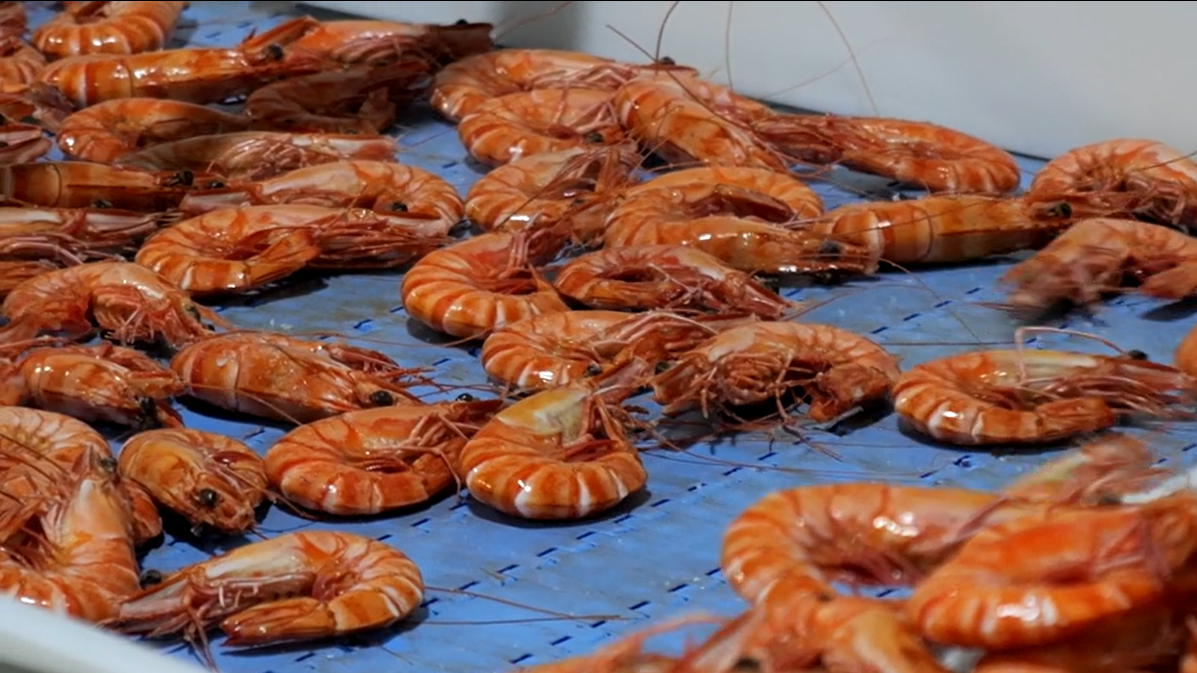
Plastic modular belts perform best in ambient or moderate-temperature environments — typically up to around 80–100°C depending on the material1 — where hygiene, cleanability, and consistent product contact surfaces are the main priorities.
Temperature Is the Starting Point
Plastic modular belts are built from engineering-grade polymers — most commonly polypropylene (PP), polyethylene (PE), or acetal (POM). Each material has a practical upper temperature limit. PP handles moderate heat reasonably well. Acetal offers better dimensional stability. But none of these materials are designed for sustained exposure to high oven temperatures, open flames, or intense radiant heat.
In normal food processing, beverage filling, packaging, and similar lines, temperatures rarely exceed those limits. That's the environment where plastic modular belts operate consistently and reliably.
Hygiene and Cleanability in Enclosed Belt Structures
One of the practical advantages of plastic modular belts in food environments is the nature of their surface structure. The modules interlock to form a relatively controlled surface, and many belt designs include features specifically intended for hygiene:
- Flush-grid and solid-top designs minimize product residue trapping
- Open-hinge designs allow cleaning solution to reach the belt's interior
- FDA-compliant and food-grade polymer options are widely available
- Smooth module surfaces resist bacterial attachment compared to rough metal mesh in the same application
In wet cleaning environments — where CIP (clean-in-place) systems, pressure washing, or foam cleaning are standard — plastic modular belts are well-suited. The material doesn't corrode under repeated detergent exposure2. The modular structure makes individual section replacement straightforward when damage occurs.
Product Contact and Surface Variety
Plastic modular belts offer a wide range of surface configurations. Flat-top surfaces work well for stable, packaged goods. Friction-top or textured surfaces handle incline or decline conveying. Low-friction surfaces reduce product marking on sensitive items.
This variety matters in production lines where the belt surface directly contacts finished or semi-finished products. A glass bottle, a packaged snack, or a fresh fruit piece all have different contact requirements — and modular belt manufacturers have developed surface options to address them.
Where Plastic Modular Belts Are Commonly Matched
In equipment matching, the following production environments typically point toward plastic modular belts:
| Environment | Reason Plastic Modular Belt Is Preferred |
|---|---|
| Beverage filling and packaging | Ambient temperature, frequent wet cleaning, product contact |
| Fresh food handling | Hygiene requirements, FDA-grade material availability |
| Snack and confectionery packaging | Low temperature, product surface sensitivity |
| Pharmaceutical and personal care | Cleanability, enclosed surface, compliance requirements |
| General light manufacturing | Cost-effective, easily replaced sections |
What Working Conditions Favor a Stainless Steel Wire Mesh Belt?
Stainless steel wire mesh belts serve a fundamentally different set of operating conditions. Their structural advantages — open weave, high heat tolerance, and mechanical rigidity — become most relevant in applications where plastic simply isn't appropriate.
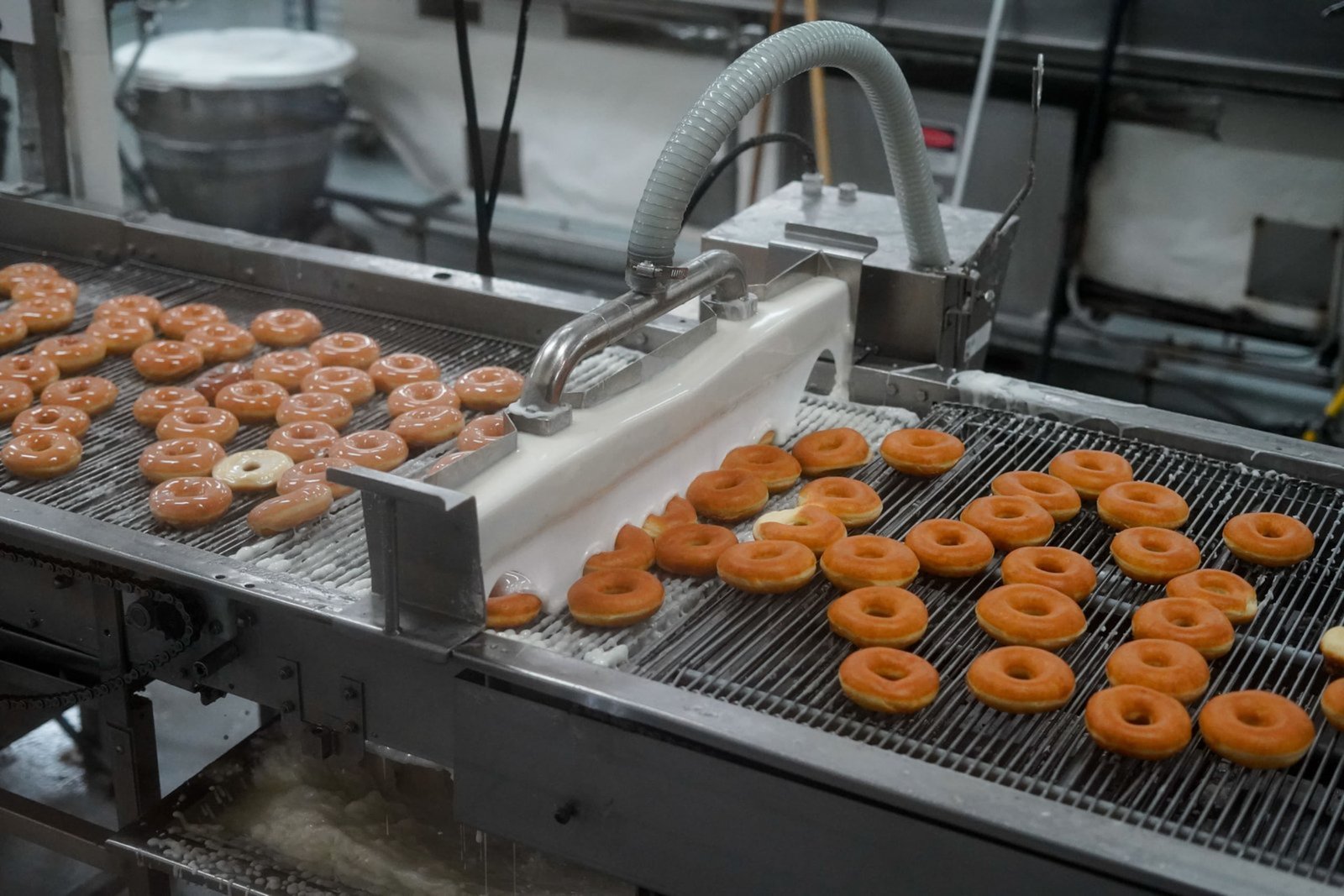
Stainless steel wire mesh belts are the standard choice for baking, frying, tunnel oven conveying, high-temperature cooling, and any application where the belt must allow air, water, or heat to pass freely through its structure.
High-Temperature Environments Are Where Mesh Belts Belong
Stainless steel wire mesh belts can operate in sustained high-temperature conditions that plastic belts cannot tolerate. Baking ovens, frying systems, industrial dryers, and heat-tunnel applications regularly expose conveyor belts to temperatures well beyond 200°C. Stainless steel handles this without deforming, degrading, or releasing material.
This isn't a marginal advantage — it's a structural requirement. In these applications, no polymer-based belt is a realistic alternative.
The Open Structure Is a Feature, Not a Compromise
The wire mesh structure creates a naturally open belt surface. Depending on the weave pattern, anywhere from 30% to 70% of the belt surface may be open space3. In specific applications, this is exactly what the process requires:
- Baking and proofing lines: Hot air circulates freely through and around the product
- Frying and cooking systems: Oil drains naturally, reducing product contact with excess oil
- Tunnel cooling conveyors: Cold air or water flows through the product for even cooling
- Washing and blanching systems: Water passes through the belt to contact the product directly
- Drainage applications: Excess liquid drains away without pooling on the belt surface
In any application where airflow, heat distribution, or liquid drainage through the belt is part of the process design, a solid or semi-closed belt surface would work against the process. Wire mesh doesn't compromise here — it performs the function.
Structural Rigidity Under Load at Temperature
At elevated temperatures, plastic modules can soften, warp, or expand4. Wire mesh maintains its structural form. For heavy product loads moving through high-temperature zones, this mechanical stability matters. The belt continues to track, support the product, and transfer it predictably.
Where Stainless Steel Wire Mesh Belts Are Commonly Matched
| Environment | Reason Wire Mesh Belt Is Preferred |
|---|---|
| Tunnel baking ovens | High temperature, airflow through belt required |
| Frying and cooking lines | Heat resistance, oil drainage through open weave |
| Industrial cooling conveyors | Air or water circulation through belt structure |
| Blanching and pasteurizing systems | Water flow through belt, heat resistance |
| High-temperature drying systems | Sustained heat exposure, open airflow |
| Can and glass container handling (post-fill) | Heat resistance, drainage, mechanical durability |
How Do You Actually Choose Between Them?
The comparison above isn't a checklist you fill in once and forget. In practice, belt selection comes down to a set of variables that need to be evaluated together — not individually.
When matching conveyor belts to production environments, these are the questions that typically guide the decision:
The Core Decision Variables
1. Operating temperature
This is usually the first filter. If your process involves sustained high heat — baking, frying, drying, high-temperature cooking — plastic modular belts are eliminated early. Wire mesh is the working material in those zones.
If your process runs at ambient or moderate temperatures, both materials are technically feasible, and the decision shifts to other factors.
2. Cleaning method and frequency
Wet cleaning, pressure washing, CIP systems, and foam cleaning are standard in food and beverage environments. Plastic modular belts handle these well. They don't corrode, and individual modules can be replaced if damaged.
Wire mesh belts are cleanable, but their open structure can trap fine particles depending on weave density and product type. In applications with high cleaning frequency and hygiene demands at ambient temperature, plastic modular belts are often the more practical choice.
3. Airflow, drainage, and ventilation requirements
If the process design relies on air or liquid moving through the belt, this requirement points clearly toward wire mesh. No plastic modular belt — regardless of open area percentage — replicates the through-flow characteristics of a wire mesh belt in a baking or cooling tunnel.
4. Product contact requirements
Smooth, packaged, or fragile products often need a controlled, consistent contact surface. Plastic modular belts offer this in a range of configurations. Products moving through high-temperature processes typically have different contact requirements, and wire mesh handles those within its thermal context.
5. Belt structure and replaceability
Modular belts can be repaired section by section. Wire mesh belts typically require full replacement or splicing when damaged. This isn't a reason to choose one over the other — it's a factor in how maintenance is planned for each system.
A Simplified Decision Summary
| Decision Factor | Points Toward Plastic Modular Belt | Points Toward Wire Mesh Belt |
|---|---|---|
| Temperature | Ambient to moderate | High temperature / sustained heat |
| Cleaning | Frequent wet or foam cleaning | Less frequent, drainage-focused |
| Airflow through belt | Not required | Required by process |
| Drainage through belt | Limited need | Active drainage required |
| Product contact surface | Smooth, controlled, configurable | Heat-resistant, open, consistent |
| Belt structure | Modular, section-replaceable | Continuous mesh, spliced |
Frequently Asked Questions
Can a plastic modular belt be used in a baking oven?
In most standard baking oven applications, no. The sustained high temperatures in baking tunnels exceed the safe operating range of standard polymer belt materials. High-temperature plastic belts exist for specific applications, but for conventional baking and frying lines, stainless steel wire mesh remains the appropriate choice.
Is stainless steel wire mesh always harder to clean than plastic modular belt?
Not always — it depends on the application. In high-temperature processing environments, wire mesh is cleaned within its designed context. In ambient-temperature wet cleaning environments, plastic modular belts generally offer more practical cleanability because of their enclosed surfaces and corrosion resistance under detergent exposure.
Do both belt types work with standard conveyor frames?
They use different drive systems and structural configurations. Plastic modular belts run on sprockets. Wire mesh belts typically run on drums or specialized chain drives. Both can be designed into standard frame configurations, but they're not interchangeable without changes to the drive system.
Which belt type handles incline conveying better?
Plastic modular belts have a wider range of surface options for incline applications — including friction-top, cleated, and textured surfaces. Wire mesh belts can handle inclines but with more limited surface options. For incline conveying in non-heat applications, plastic modular belts typically offer more flexibility.
What if my application involves both high temperature and frequent cleaning?
This is a real design challenge, and the answer depends on specifics. Post-oven cooling lines, for example, may use wire mesh through the oven zone and transition to plastic modular belts in the ambient cooling and packaging zone. Matching the belt to each zone is more effective than trying to find one solution for the entire line.
Conclusion
The plastic modular belt vs stainless steel wire mesh belt comparison isn't a ranking — it's a matching exercise. Plastic modular belts perform best in hygiene-critical, ambient to moderate-temperature environments where cleanability and controlled product contact matter. Stainless steel wire mesh belts are the right choice where high heat, ventilation, drainage, or open-structure conveying is built into the process.
Start with your operating conditions — temperature first, then cleaning method, airflow needs, and product contact requirements. The belt type that fits those conditions is the right answer for your line.
If you're evaluating belt options for a specific application and want a second opinion on material and structure selection, contact Molytech. We specialize in conveyor component matching across food, beverage, bakery, and related industries — and we can help you identify the right fit before you commit to a specification.
"Polypropylene", https://en.wikipedia.org/wiki/Polypropylene. Standard engineering polymer references document the continuous service temperatures of polypropylene at approximately 80–100°C and acetal (POM) at similar ranges, with performance degrading under sustained exposure beyond these thresholds. Evidence role: general_support; source type: research. Supports: The continuous service temperature limits of polypropylene, polyethylene, and acetal (POM) as engineering thermoplastics. Scope note: Published material datasheets reflect idealized laboratory conditions; actual belt performance may vary based on load, chemical exposure, and belt geometry ↩
"Chemical resistance testing of plastics: material compatibility of detergent ...", https://pubmed.ncbi.nlm.nih.gov/38740301/. Polymer chemical resistance data indicate that polypropylene and acetal (POM) exhibit good resistance to dilute alkaline and acidic cleaning agents commonly used in food processing, with no corrosion mechanism analogous to that observed in metals. Evidence role: general_support; source type: research. Supports: The chemical resistance of polypropylene and acetal to common food-industry cleaning agents including alkaline detergents and sanitizers. Scope note: Resistance varies with concentration, temperature, and exposure duration; certain sanitizers such as high-concentration oxidizing agents may cause degradation in some polymer formulations over time ↩
"Identifying the Specification of Woven Mesh Metal Conveyor Belts", https://www.rexnord.com/resources/process-motion-control/g-c/documents/ft7-004-woven-mesh-specifications-tip-sheet. Industry specifications for wire mesh conveyor belts document open-area percentages that vary substantially by weave type, wire diameter, and pitch, with common configurations spanning approximately 30–70% open area. Evidence role: general_support; source type: institution. Supports: The range of open-area percentages achievable across standard wire mesh conveyor belt weave configurations. Scope note: Exact open-area values are product-specific; the stated range reflects general industry patterns rather than a single authoritative standard ↩
"Temperature and Deformation-Induced Changes in ...", https://pmc.ncbi.nlm.nih.gov/articles/PMC11789131/. Materials science data for engineering thermoplastics document that polypropylene and acetal exhibit increasing creep, dimensional instability, and softening as temperatures approach and exceed their heat deflection temperatures, which for these materials typically fall in the range of 50–110°C under load. Evidence role: mechanism; source type: research. Supports: The thermal deformation behavior of engineering polymers including polypropylene and acetal at elevated temperatures relevant to industrial conveyor applications. Scope note: Actual deformation behavior depends on applied load, exposure duration, and specific polymer grade; heat-stabilized formulations may extend usable temperature ranges ↩