

When someone asks about belt conveyor details, the answer is rarely a clean list of numbers. Missing the wrong detail early means the wrong belt, the wrong accessories, and a line that doesn't run the way it should. The question deserves a more careful answer than a spec sheet.
Belt conveyor details are the combination of product information, operating parameters, working environment conditions, and component specifications that together determine whether a conveyor is correctly selected and will run reliably. No single parameter is complete on its own — each detail only becomes useful when connected to the real application.
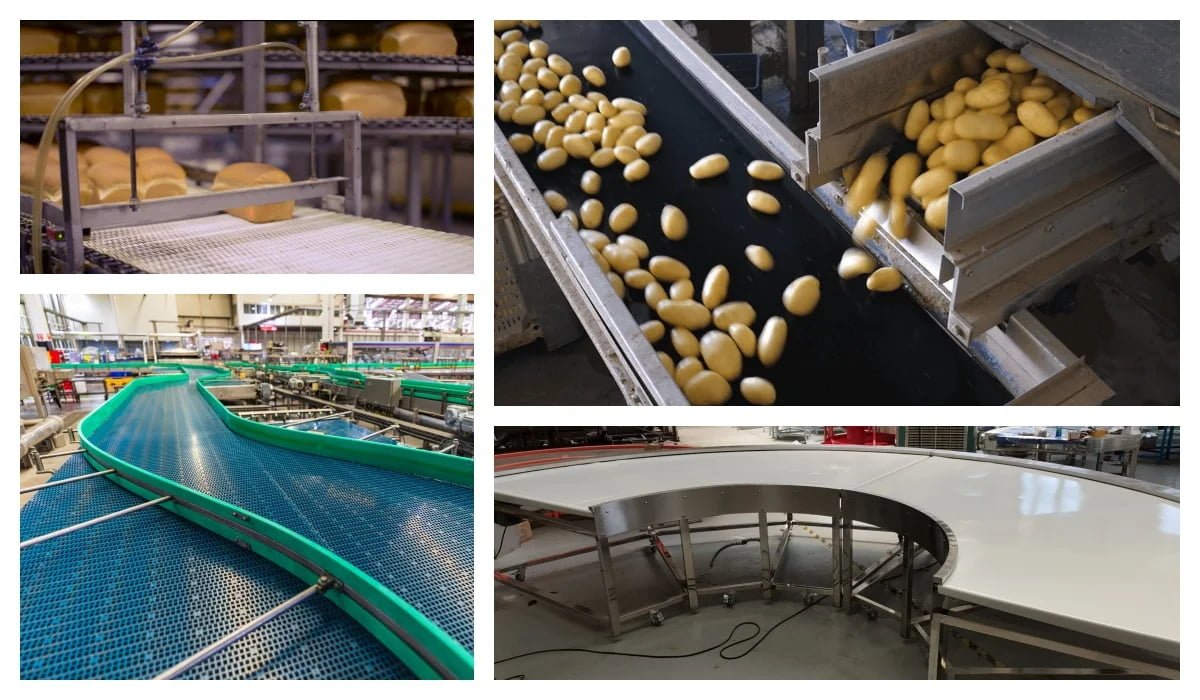
There are four areas worth examining carefully. Each one tends to reveal the gaps that cause mismatches in real supply and selection work. I'll walk through all of them.
What Is Being Conveyed — Why Does the Product Come First?
The most common gap I see in conveyor inquiries is that the customer leads with the machine dimensions and skips describing what actually runs on the belt. That's the wrong order.
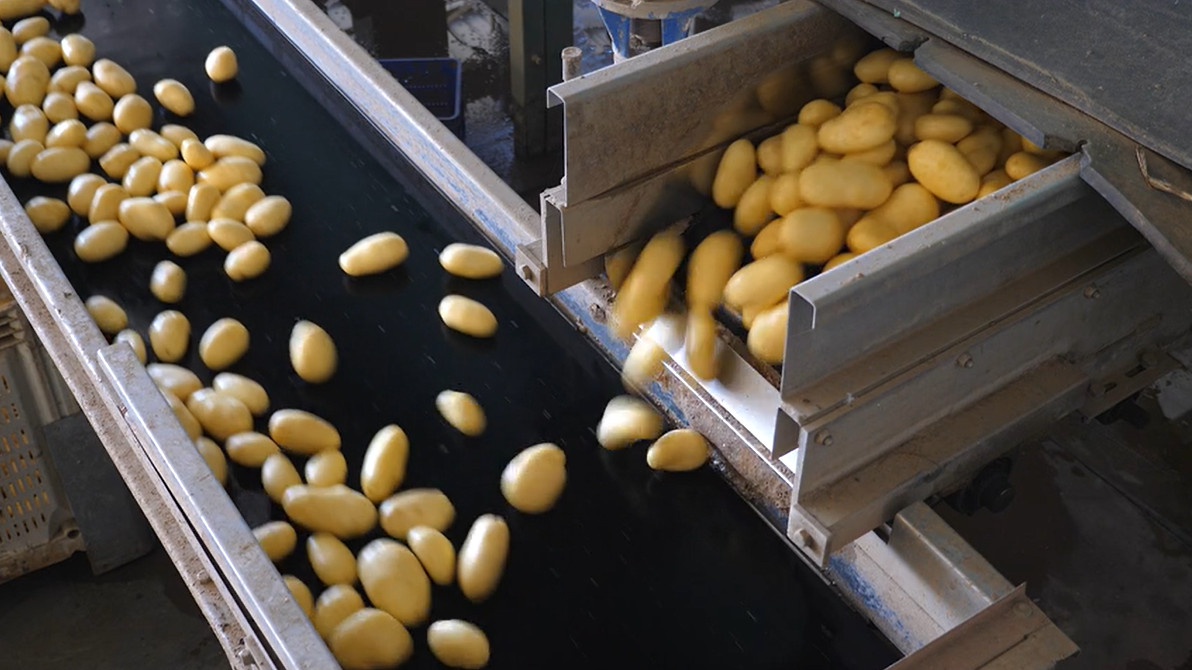
The conveyed product is the first detail that shapes everything else. Product type, weight, surface condition, and how it contacts the belt directly drive belt material selection, surface texture choice, load calculations, and even the structural approach.
Once you understand what the belt carries, the rest of the parameters become interpretable. Without this, the numbers are just numbers.
Why Product Type Changes Belt Selection
Different industries convey completely different things, and the differences are not cosmetic:
- Fresh produce (fruit, vegetables) — needs a gentle surface to avoid bruising, may require FDA-compliant or food-contact materials
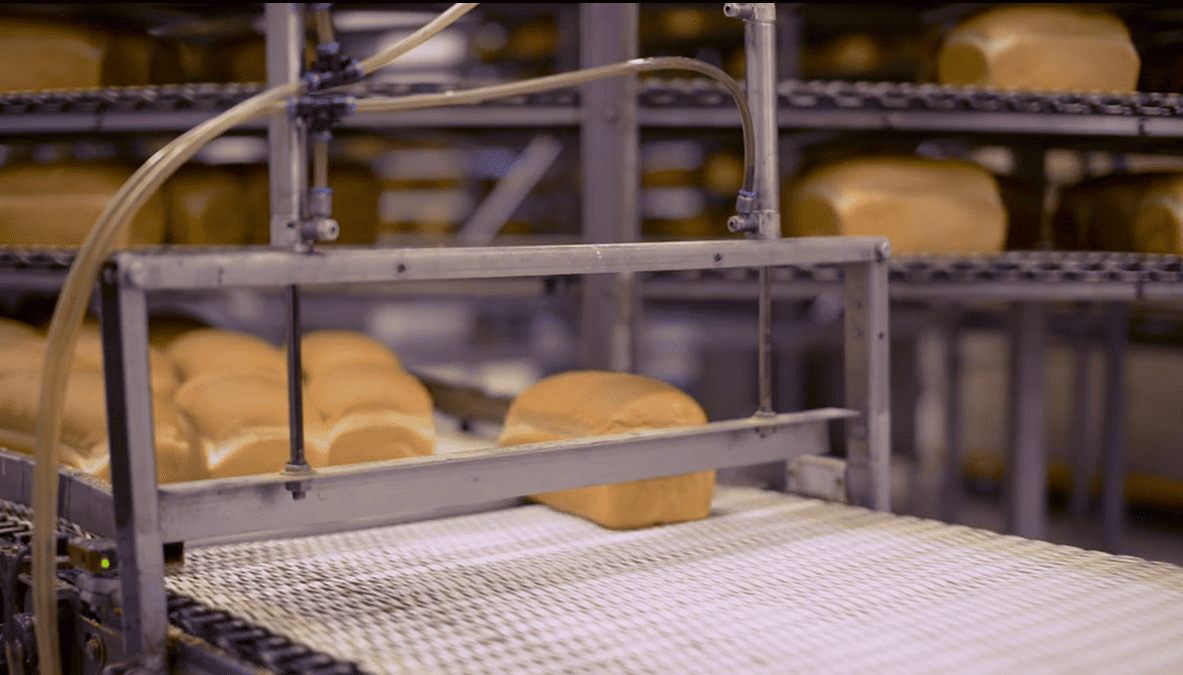
- Bakery products — often hot, oily, or sticky; surface texture and release properties matter
- Canned goods or bottles — heavy, rigid, and hard on the belt surface; wear resistance is the priority
- Pharmaceutical items — strict contamination control, often requires anti-static or specific chemical resistance
The product also determines whether you need a flat belt, a textured belt, or a cleated belt to hold the product in position during inclined conveying.
What Product Information Is Actually Needed
When I work through a selection inquiry, the product details I look for are:
| Detail | Why It Matters |
|---|---|
| Product type and name | Determines food-contact, chemical, or hygiene requirements |
| Unit weight or bulk density | Affects load calculation and belt tension |
| Product size and shape | Affects belt width and surface pattern selection |
| Surface condition (wet, dry, oily, sticky) | Drives surface texture and release coating needs |
| Temperature of the product at contact | May change belt material class entirely |
| How it's placed on the belt (manually, by machine, dropped) | Affects impact resistance and edge wear |
A customer once told me their product was "just bottles." After asking a few more questions, we found the bottles were filled, hot-packed, and loaded by a rotary filler — three factors that changed both the belt type and the frame specifications. The word "just" hid a lot of detail.
What Are the Basic Operating Parameters for a Belt Conveyor?
Operating parameters are what most people think of first when asked about belt conveyor details. They're essential, but they need to be understood in context rather than listed mechanically.
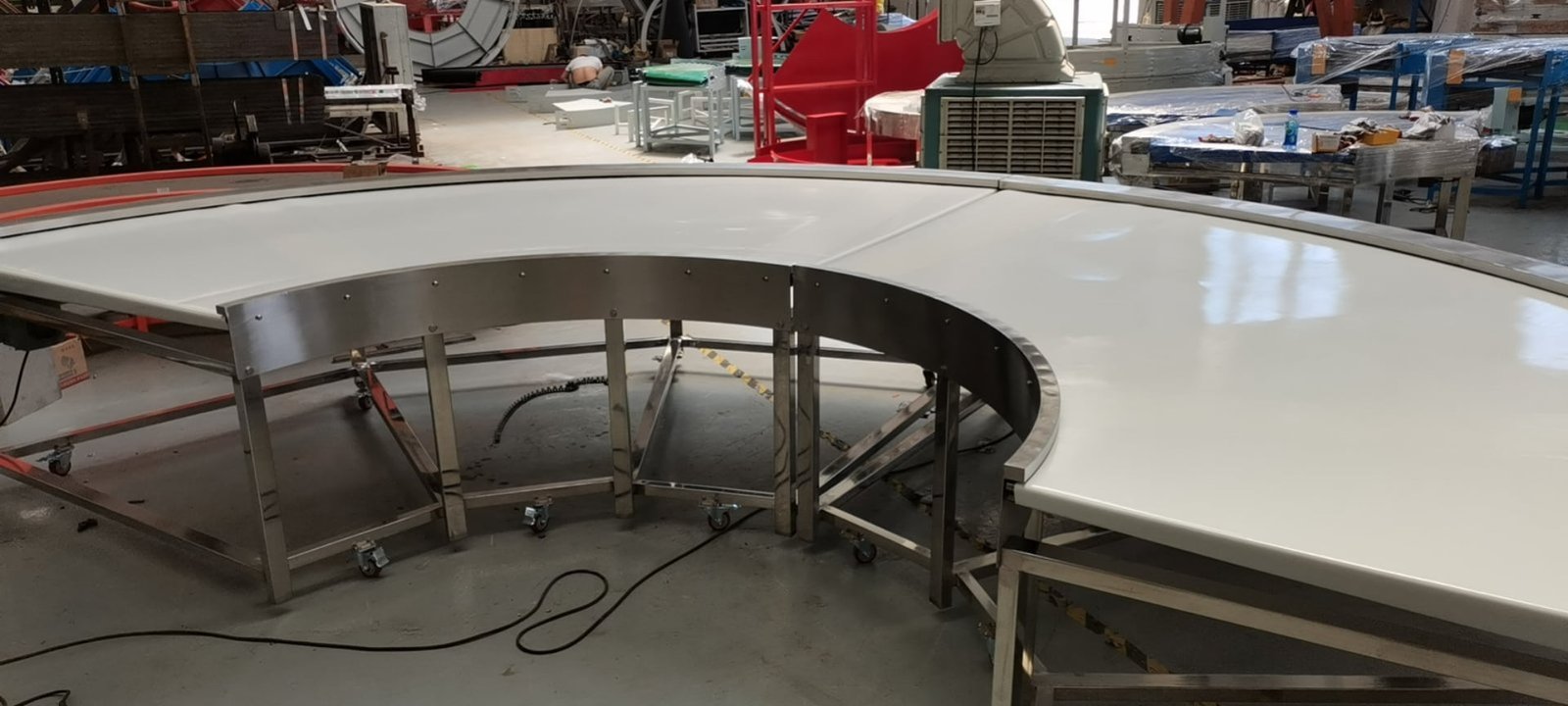
The standard parameters — belt width, conveyor length, conveying speed, load, and direction — only become meaningful when they're matched to the actual working condition and product.
Each parameter connects to the others. Changing one often affects the acceptable range for another.
Belt Width
Belt width is selected based on product size and throughput, not chosen arbitrarily. Common widths in food and industrial applications run from 200mm to 1200mm and beyond, but the right width depends on:
- Product size — the belt must be wide enough to support the product with margin on both sides
- Number of lanes — multi-lane conveying may require a wider belt or separate conveyors
- Transition width — the conveyor must match the width of the upstream and downstream equipment
A wider belt is not automatically safer. An oversized belt increases cost, tension requirements, and potential tracking problems.
Conveyor Length and Height
Length and height together define the conveying path. For inclined conveyors, the angle of inclination is critical:
- Flat belts typically handle inclines up to around 15–18° depending on the product
- Cleated or textured belts extend this range
- Steep angles require product-specific confirmation — there is no universal safe angle
The actual height rise, not just the angle, also affects the motor and drive sizing.1 Always specify both.
Conveying Speed
Speed is often specified in meters per minute (m/min). It affects:
- Throughput — how many units or how much weight passes per unit time
- Product behavior — high speed can topple, rotate, or damage lightweight or unstable products
- Belt and component wear — higher speed accelerates wear on belt surfaces, rollers, and wear strips2
Variable speed drives are common in food applications where the upstream process sets the pace. If the speed needs to match another machine, that relationship should be specified explicitly.
Load and Capacity
Load is often underspecified. The details I typically look for:
- Load per unit length (kg/m) or total belt load (kg)
- Point load — the weight of a single heavy product hitting a specific section of belt
- Dynamic loading — whether products are dropped, slid, or gently placed
These numbers affect belt thickness, frame strength, roller spacing, and drive selection. I am not doing structural engineering calculations here — but these inputs are what a supplier or manufacturer needs to confirm compatibility with the products they offer.
Conveying Direction
This means more than just horizontal or inclined. The direction details include:
- Is there an incline, decline, or combination?
- Is there a curved section?
- Does the belt reverse during operation or for cleaning?
These conditions affect belt tracking requirements, tensioning design, and in some cases, whether a standard flat belt is suitable at all.
How Does the Working Environment Affect Belt Conveyor Details?
The working environment is the most frequently underestimated category. Two conveyors with identical dimensions and loads can require completely different belts and accessories if one runs in a dry warehouse and the other runs in a wet food-processing room.3
Environmental conditions change the correct answer for belt material, surface treatment, frame material, and cleaning design.
Water, Washing, and Hygiene Requirements
In food, beverage, bakery, fruit, and pharmaceutical applications, the cleaning method is a key selection input:
- Washdown with water — requires a belt that tolerates repeated wetting and drying without delamination or swelling
- High-pressure cleaning — affects joint integrity and surface bonding; some belt constructions handle this better than others
- Chemical sanitizers — specific cleaning agents can degrade certain belt materials; the chemical compatibility must be confirmed
- Food-contact regulations — FDA, EU food-contact, or other regional standards may apply depending on the end market
Don't assume that any "food conveyor belt" automatically meets all of these. The specific material grade and construction must be confirmed against the actual cleaning method and relevant standard.
Temperature
Temperature affects belt material selection at both extremes:
| Condition | Implication |
|---|---|
| Hot products (e.g., baked goods, pasteurization) | Standard PVC may deform; food-grade silicone or polyurethane grades are often needed |
| Cold environments (e.g., chilled or frozen processing) | Some belt materials become brittle at low temperatures |
| Ambient temperature fluctuation | Affects belt tension and tracking stability over shifts |
Always specify both the product temperature at contact and the ambient temperature range of the production area. They can be different, and both matter.
Oil, Grease, and Contamination
In meat processing, bakery, and some industrial applications, oil and grease on the belt surface are a real operating condition, not an exception:
- Oily conditions reduce friction between the belt and products — this can cause slippage on inclines
- Some belt coatings absorb oil and lose their properties over time
- Oil can also affect roller bearings and frame components if the design doesn't account for it
Dust, Abrasives, and Particles
Dry, dusty, or abrasive environments — common in grain, powder, or bulk material handling — accelerate belt surface wear. If the product leaves particles, the belt material and the cleaning method must both account for this.
What Structural and Component Details Should Be Checked?
The belt itself gets most of the attention, but a belt conveyor is a system. The structural and component details determine whether the belt runs correctly, lasts its expected service life, and can be maintained without repeated problems.
In my experience, the component details are where many replacement and supply problems originate — not because the belt was wrong, but because the accessories didn't match.
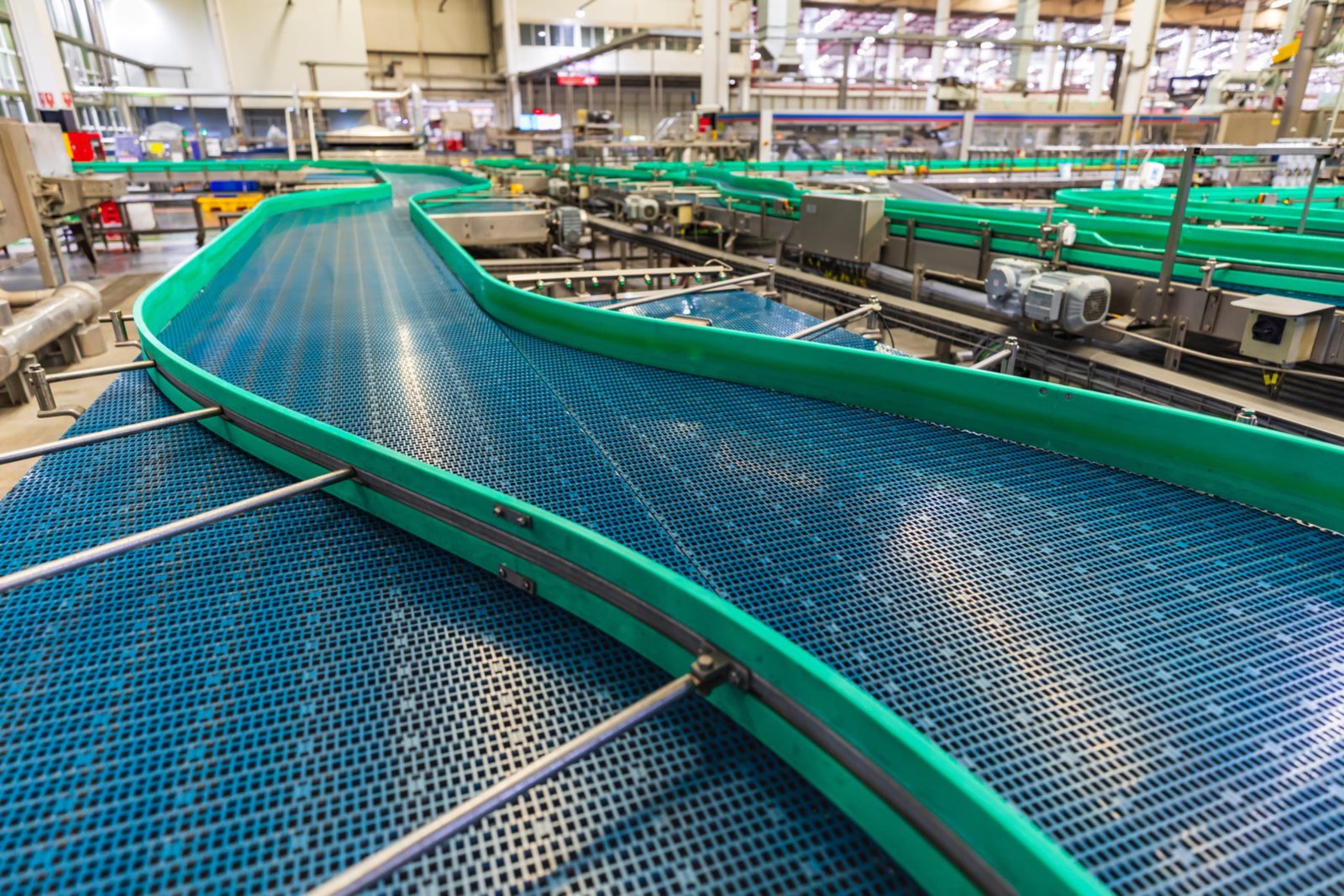
Frame and Support Structure
The frame sets the physical constraints for every other component:
- Frame material — carbon steel (painted or galvanized), stainless steel (304 or 316), or aluminum profiles; hygiene requirements and environment determine the right choice
- Frame width and height — must match belt width and installation space
- Leg and support configuration — fixed height or adjustable, floor-mounted or suspended
Stainless steel is standard in food and pharmaceutical applications but comes with a higher cost. The specification should be intentional, not assumed.
Rollers and Idlers
Rollers affect belt tracking, load distribution, and wear. The key details are:
- Roller diameter and face width — must suit the belt width and load
- Roller material — steel, stainless steel, plastic, or rubber-coated depending on hygiene and friction requirements
- Roller spacing — closer spacing is needed for heavy or small products to prevent belt sag between rollers
- Bearing type and sealing — in wet or washdown environments, sealed bearings and stainless shafts are important
Tensioning Method
Belt tension must be maintained for the conveyor to track and drive correctly. Common tensioning methods include:
- Fixed end plates with slotted adjustment — simple, low-cost, common in short conveyors
- Screw tensioning — allows controlled adjustment; suitable for medium-length conveyors
- Gravity take-up — self-adjusting; used in longer conveyors where manual re-tensioning is impractical
The method affects how easy it is to re-tension and re-track the belt in production. For applications with frequent belt removal for cleaning, ease of access is a practical consideration.
Guide Rails, Side Guards, and Skirts
These accessories are often treated as minor add-ons, but they directly affect product containment and belt tracking:
- Guide rails — keep the belt centered; material and clearance must match the belt width and edge condition
- Side guards — prevent products from falling off the edge; height and material depend on product size and hygiene requirements
- Skirt boards — seal the gap between the loading point and the belt to reduce spillage in bulk applications
A belt that tracks correctly in an empty test run may drift under a loaded, wet condition. Guide rail and tensioning details should be confirmed for the actual operating state.
Drive and Motor Connection
While I am not doing motor sizing here, the drive details that affect component selection include:
- Drive position — head drive, center drive, or underside drive affects belt path and tension distribution
- Drive roller surface — bare steel, rubber lagging, or other coatings affect friction and grip
- Shaft and sprocket compatibility — if the belt has a specific pitch or profile, the drive and tail rollers must match
Frequently Asked Questions
What is the most important detail to specify first for a belt conveyor?
The conveyed product is the most important starting point. Product type, weight, size, temperature, and surface condition drive belt material, width, and surface selection before any machine dimensions are fixed. Starting with the product avoids mismatches that are difficult to correct after equipment is ordered.
How does the working environment change belt conveyor selection?
Water, oil, temperature, cleaning chemicals, and hygiene standards can all change the required belt material, coating, and construction. A belt suited for a dry warehouse may fail quickly in a wet food-processing washdown environment. Environment details should always be specified alongside basic operating parameters.
Can I use any food-grade belt for food applications?
Not automatically. "Food-grade" covers a range of materials and standards. The specific belt must be confirmed against the cleaning method, contact temperature, regulatory requirement (FDA, EU, etc.), and the actual product being conveyed. The label alone is not a complete specification.
How do I know if my guide rails and accessories are compatible with the belt?
Guide rail clearance, material, and mounting design must match the belt width and edge profile. Incompatible guide rails cause edge wear and tracking problems. When replacing a belt or adding accessories, always check that the new components are dimensionally and materially matched to the belt and frame in use.
What causes a conveyor belt to drift or track incorrectly?
Belt tracking problems usually come from uneven tension, misaligned rollers, a worn or contaminated belt surface, improper guide rail clearance, or an inconsistent load. Identifying the actual cause requires checking all of these factors — adjusting tension alone rarely solves a tracking problem permanently.
Conclusion
Belt conveyor details are not a single parameter list — they are a practical combination of product information, operating parameters, environmental conditions, and component specifications. Each category connects to the others, and a gap in any one area can produce the wrong selection or a reliability problem in operation. The product comes first. The environment changes the correct answer. The components must match as a system.
At Molytech, we work through exactly these details in every conveyor belt and component inquiry — not to add complexity, but to make sure the right product reaches the right application. If you are currently working through a belt conveyor selection or replacement, I'd be glad to hear what details have been most challenging in your experience. Leave a comment below or reach out directly to discuss your specific application.
"(PDF) Modeling of Simplified Vertical Conveyor System", https://www.academia.edu/51160540/Modeling_of_Simplified_Vertical_Conveyor_System. Engineering treatments of conveyor power calculation include a lift component proportional to the conveyed load and vertical height, supporting the statement that actual height rise affects motor and drive sizing. Evidence role: mechanism; source type: education. Supports: A source should explain that conveyor power requirements include the work required to lift the load through a vertical height.. ↩
"Experimental investigation on tribological behavior of several ...", https://www.sciencedirect.com/science/article/abs/pii/S0301679X16302857. Tribology studies of polymer and rolling-contact systems show that wear rate is affected by contact load, sliding or rolling velocity, and material pairing, providing a mechanical basis for increased conveyor component wear at higher speeds. Evidence role: mechanism; source type: paper. Supports: A tribology or conveyor-maintenance source should support that sliding or rolling contact speed can influence wear rate in belt and component interfaces.. Scope note: General tribology evidence supports the mechanism, but the magnitude of wear for a particular belt, roller, or wear strip depends on the specific materials and operating conditions. ↩
"New EHEDG Conveyor Guideline Offers Hygienic Best ...", https://www.ehedg.org/fileadmin/user_upload/2016_10_Conveying_Clean_-_EHEDG_Conveyor_Guideline_Offers_Hygienic_Best_Practices.pdf. Hygienic design guidance for food-processing equipment emphasizes that wet cleaning, cleanability, corrosion resistance, and contamination control influence the selection of conveyor materials and components. Evidence role: expert_consensus; source type: institution. Supports: A hygienic design or food-processing equipment source should support that wet processing, washdown, and hygiene requirements affect material and component selection.. Scope note: This supports the environmental-design principle most directly for food-processing settings, not necessarily for every industrial dry-versus-wet comparison. ↩