

In modern food production, efficiency and hygiene go hand in hand. A conveyor system is not simply a mechanism for material transfer — it directly influences safety, product quality, and operational cost. Among various conveying components, the plastic chainplate has become one of the most preferred choices in food conveyor systems. Its advantages in wear resistance, sanitation, and food-grade safety make it a reliable solution for industries ranging from bakery and beverage to meat and packaged foods. This article explores how to select the right plastic chainplate, how its design ensures hygiene compliance, and how it delivers long-term cost efficiency.
How to Choose the Right Plastic Chainplate Based on Food Type
Each category of food requires a different conveying environment, and the chainplate must meet specific operational demands. For bakery products like bread or pastries, the surface should prevent sticking and withstand moderate heat. Smooth PP or POM chainplates are ideal as they maintain clean transfer and resist deformation. Beverage lines typically involve moisture and frequent chemical cleaning — materials with excellent chemical resistance and low friction, such as POM or PE, ensure stable and consistent movement. Meat and seafood processing demand superior hygiene; open or perforated chainplates enable drainage and easy washing to prevent contamination. Meanwhile, packaged foods require precise, gentle handling, where solid, steady surfaces help maintain the integrity of packaging throughout the process.
Designing the chainplate specification according to food type not only improves production flow but also reduces maintenance frequency and enhances product safety.
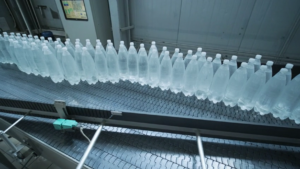
Hygiene and Cleanability Design: Meeting Food Safety Standards
Sanitation is a defining factor for any food conveyor system. The materials used in plastic chainplates must comply with FDA and EU food contact regulations, guaranteeing that the surface does not release harmful substances into the product. Commonly used materials include Polypropylene (PP), Polyethylene (PE), and Polyoxymethylene (POM)—each offering unique benefits:
- PP: Economical, chemically stable, and widely used for general-purpose food conveying.
- PE: Excellent impact strength and low-temperature resistance, ideal for frozen or refrigerated processing.
- POM: High mechanical strength and wear resistance, suitable for high-speed conveyors or heavy loads.
Beyond materials, cleanliness depends on system design. Modular plastic chainplates feature smooth, non-porous surfaces, minimizing residue buildup and allowing for thorough, quick cleaning. Many designs integrate easy-detach modules and rounded edges that eliminate hidden corners where bacteria could accumulate. These details demonstrate how engineering design actively supports hygiene management, helping manufacturers maintain strict HACCP and ISO 22000 compliance.
From Investment to Long-Term Return: The Cost Efficiency of Food-Grade Plastic Chainplates
At first glance, food-grade plastic chainplates may represent a higher investment compared to standard metal alternatives. However, long-term performance tells a different story. Plastic chainplates are lightweight, require no rust-prevention treatment, and significantly reduce maintenance downtime thanks to lower friction and self-lubricating properties. This translates to less noise, cleaner operation, and a longer service life.
When evaluating total cost of ownership (TCO), the return becomes clear: improved hygiene shortens cleaning cycles, material durability reduces replacement frequency, and smooth conveyance minimizes product damage. Furthermore, energy efficiency improves because the motor load is lighter. Over time, these factors combine to offer real operational savings and performance consistency — qualities that every food manufacturer values in today’s competitive and highly regulated market.
Choosing the right plastic chainplate for a food conveyor system is not simply a technical decision; it’s a strategic investment in food safety and production efficiency. By focusing on material properties, hygienic design, and cost efficiency, manufacturers can create a conveyor system that is clean, reliable, and economically sustainable. In a market where product quality and regulatory compliance define reputation, food-grade plastic chainplates represent the perfect balance between technology, safety, and long-term profitability.