

Every week, I get questions from customers who already picked a conveyor type before thinking about what it actually needs to handle. That mismatch is where most problems start.
Designing a conveyor system means matching your material, layout, environment, and maintenance reality to the right configuration. There is no single best answer. The right system depends on what you are moving, where you are moving it, and how your team will keep it running.
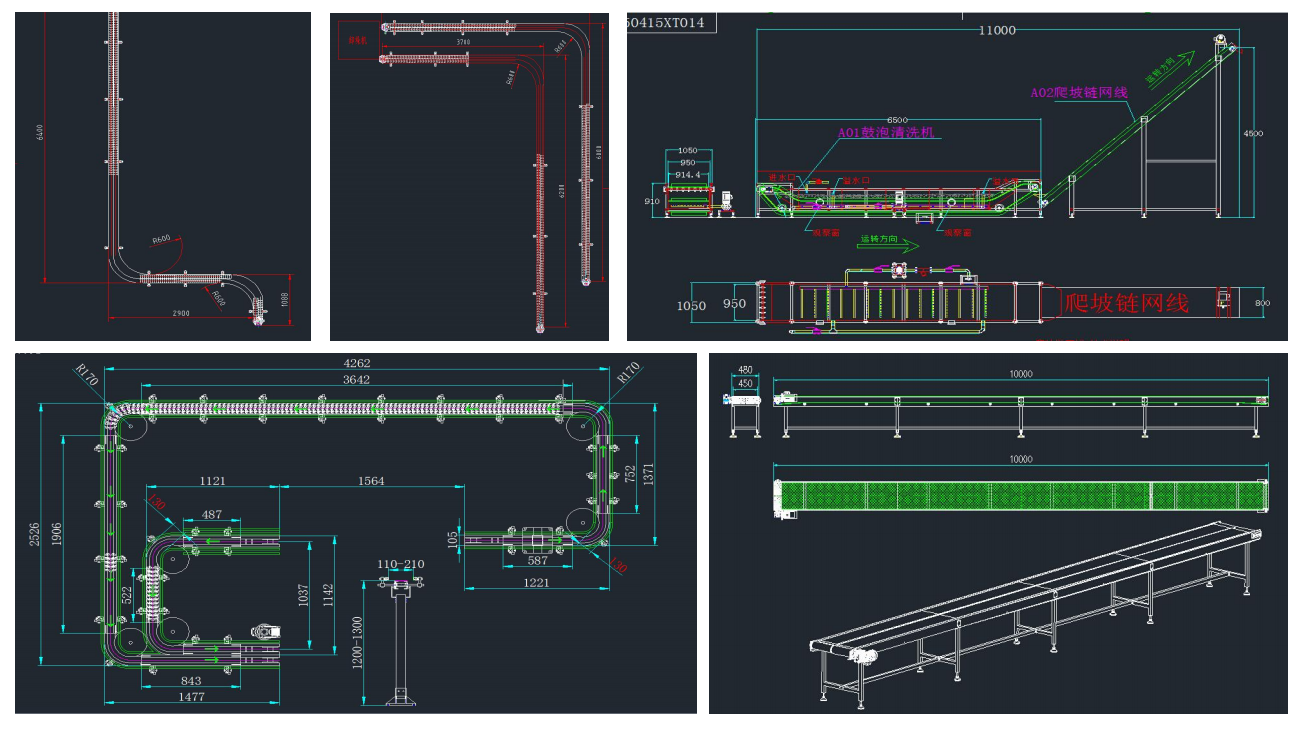
Conveyor design is a condition-matching process. Once you understand the conditions, the right configuration becomes much clearer. Let me walk through the questions that actually matter.
What Are You Moving, and What Does That Tell You?
Most customers start with the conveyor. I always ask them to start with the material instead. The material tells you almost everything.
The material you convey shapes your entire system configuration. Weight, size, shape, temperature, moisture, fragility, and stickiness each point toward specific belt types, surface materials, drive requirements, and hygiene standards. Getting this step right reduces the risk of premature wear and mismatched components.1
Breaking Down Material Conditions
Think about each condition separately. They do not all point in the same direction, and a single product can carry more than one requirement at once.
| Material Condition | What It Affects |
|---|---|
| Heavy or dense products | Frame strength, drive power, belt thickness |
| Fragile items (glass, pastry) | Belt surface, speed control, transition design |
| Wet or high-moisture products | Belt material (FDA-grade plastic, stainless fittings), drainage design |
| Sticky products | Belt texture, cleaning access, return side design |
| High-temperature products (baked goods, canned goods fresh from the line) | Heat-resistant belt materials, frame materials |
| Small or irregular shapes | Tight-pitch modular belt, side guards, lane dividers |
| Packaged and sealed products | Wide range of belt types applies; focus shifts to speed and throughput |
Once I know these conditions, I can already eliminate several options and narrow down what makes sense. A fragile fruit like a peach needs a gentle, low-friction surface with controlled speed. A heavy metal can needs something different entirely. The material is not just context — it is the first design input.
Speed and throughput are part of this step too. How many units per minute do you need to move? Does the line need to match upstream or downstream equipment speeds? These numbers affect drive selection and belt pitch, but they also affect how the whole system is configured from the start.
What Does Your Layout and Space Actually Allow?
After I understand the material, I ask about the space. Many customers come to me with a fixed floor plan and need a system that fits inside it. That constraint shapes the configuration just as much as the material does.
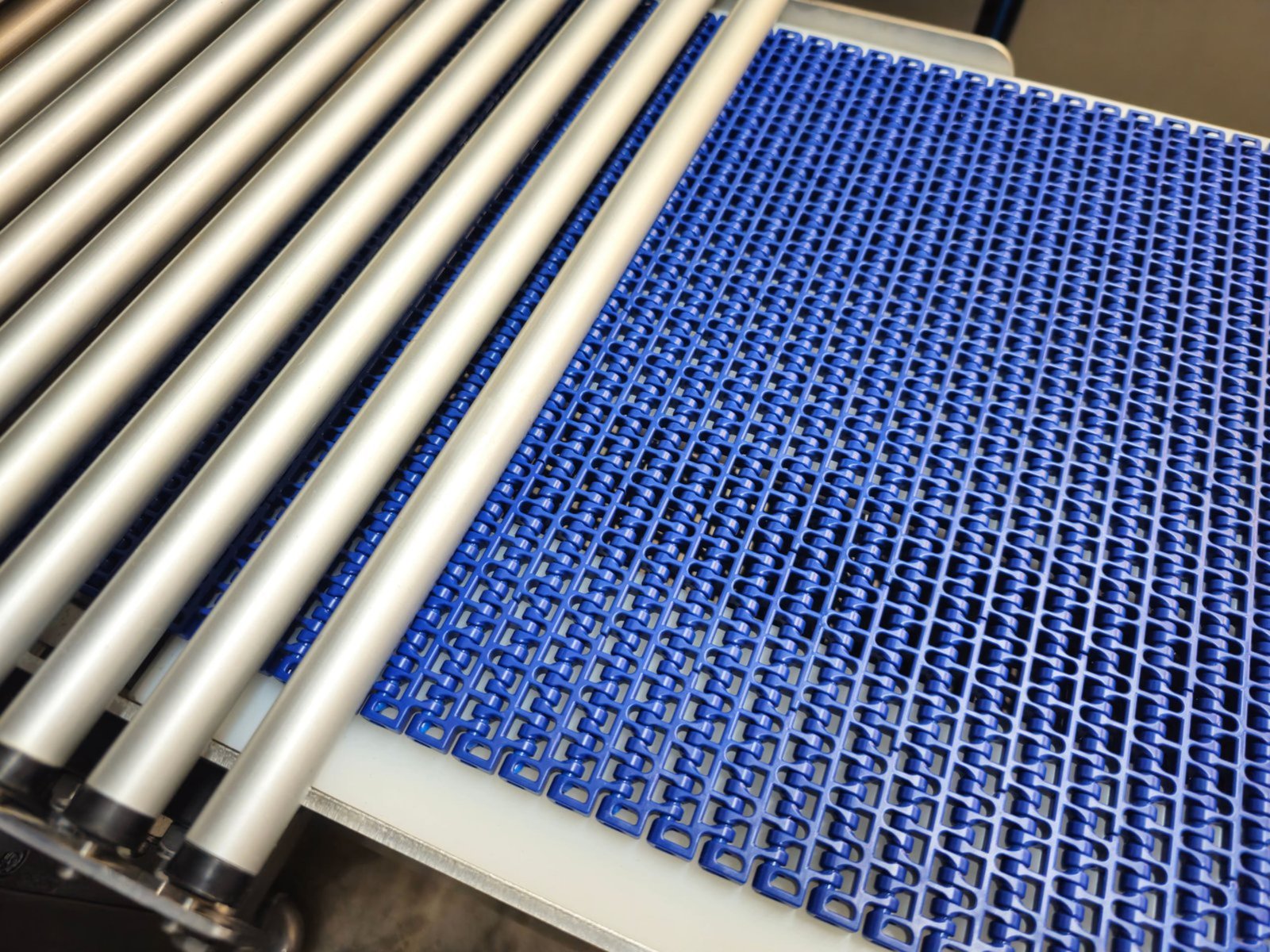
Your available space, floor layout, height changes, and connection points with other machines define which conveyor configurations are physically possible.2 A system that works perfectly in an open floor plan may be completely impractical in a tight processing line with fixed equipment on both sides.
Mapping the Physical Constraints
This is where I ask customers to draw it out, even roughly. The route matters.
Horizontal or inclined? Horizontal runs are the simplest. Inclined runs need additional consideration — belt surface grip, side guards, and the angle of incline all affect whether products stay in position or slide back. Modular belts with raised flights or cleats are common here. Chain plate conveyors also handle inclines well in heavy-load applications.
How many turns or transfers are involved? A straight run is easy. A system with 90-degree transfers, elevation changes, or multiple accumulation zones becomes more complex. Each transfer point is a potential source of product damage or jamming, especially for fragile or irregularly shaped items.3
What connects to this conveyor? Does it feed into a filling machine, a packing station, a labeler, or an oven? The interface points with other machines affect conveyor height, speed, and end-piece design. This is not just a mechanical question — it affects which belt type, which support bracket configuration, and which end pulley or sprocket size makes sense.
| Layout Factor | Design Consideration |
|---|---|
| Incline angle above 15° | Raised-flight modular belt or chain plate with cleats |
| 90° transfers | Curved modular belt sections or transfer plates |
| Tight floor space | Compact frame design, side-mounted drives |
| Height differences between machines | Adjustable-leg supports, inclined sections |
| Long straight runs | Proper intermediate support spacing to prevent belt sag |
Getting the layout right at this stage prevents expensive retrofits later. I have seen cases where a customer installed a system and then discovered that the maintenance team could not reach the return side to clean it. Access for cleaning and replacement is part of layout design, not an afterthought.
Which Conveyor Type Fits Your Conditions?
This is the question most customers start with. I prefer to arrive here after the first two steps, because by this point the answer is usually much more obvious.
No single conveyor type is universally best.4 Belt conveyors, modular belt conveyors, chain plate conveyors, and screw conveyors each suit specific conditions. Matching the type to your material, layout, hygiene needs, and maintenance capacity gives you a more reliable and cost-effective system than choosing by general reputation alone.
Comparing the Main Types by Condition
Here is how I typically describe each type to customers who ask me to compare them:
Belt Conveyor A flat belt conveyor is simple, smooth, and cost-effective for many applications. It works well for packaged products, sealed goods, and general material transport on horizontal or slightly inclined runs. Cleaning is straightforward on the top surface, but the underside and return roller areas require attention in food environments. Belt replacement is easy when the system is designed with accessible tension and tracking adjustment points.
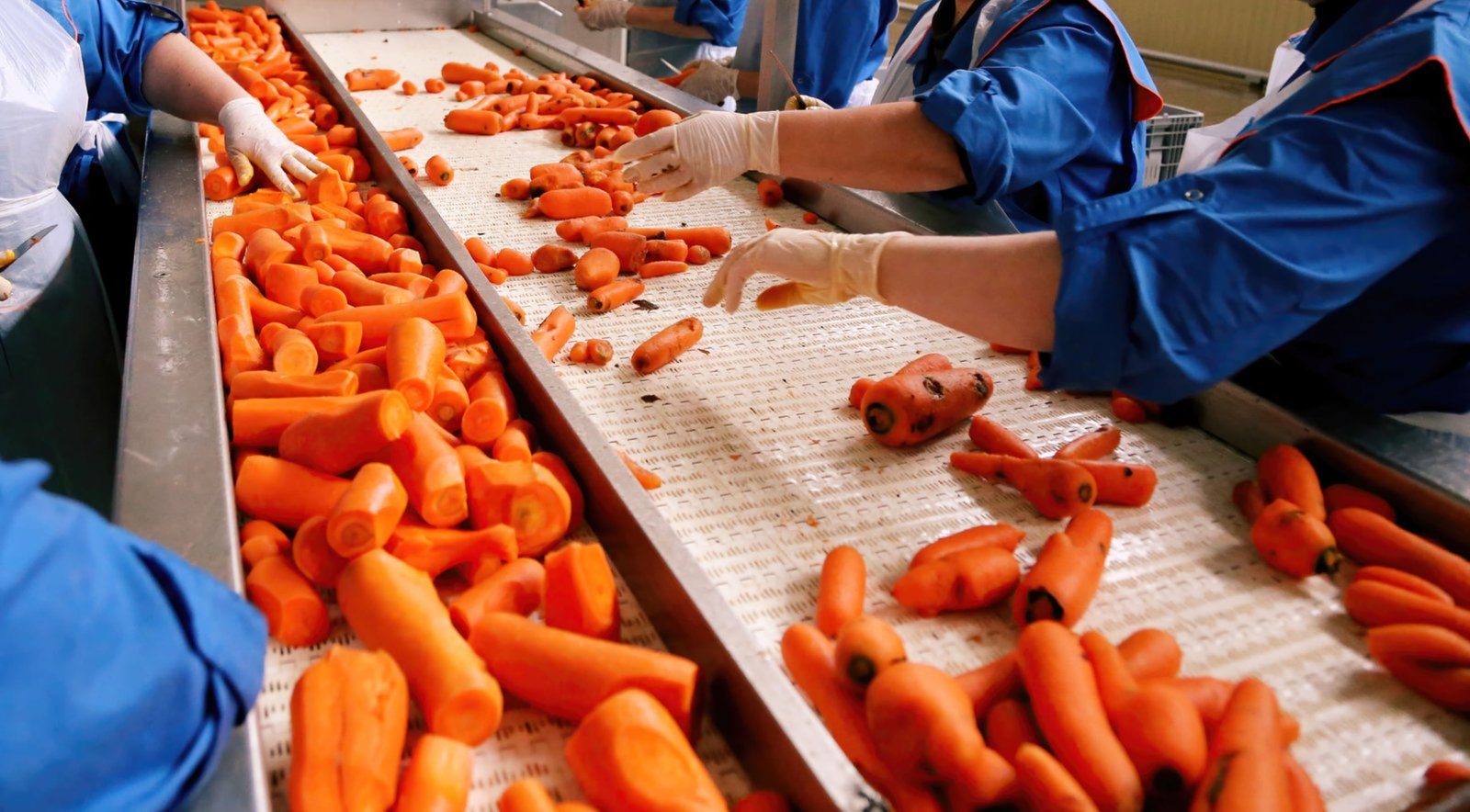
Modular Belt Conveyor Modular plastic belts are built from interlocking plastic modules. This design allows water and cleaning solutions to pass through the belt, making them a strong choice for food, beverage, fruit handling, and pharmaceutical applications where hygiene and wash-down requirements are high. They can also be configured for curves, inclines with flights, and side-flexing layouts. Individual modules can be replaced without changing the whole belt, which reduces maintenance downtime. I supply modular belts in different pitches and surface types to match specific products and hygiene levels.
Chain Plate Conveyor Chain plate conveyors use rigid, interlocking metal or plastic plates mounted on a chain drive. They handle heavy loads well and are common in canning lines, glass bottle lines, and heavy manufacturing environments. They are durable and stable, but they require proper lubrication management and regular inspection of chain tension and sprocket wear. Plastic chain plates are also used in food environments where hygiene and non-metal contact is required.
Screw Conveyor Screw conveyors move bulk materials — powders, granules, grains — through a rotating helical screw inside a tube or trough. They are compact and enclosed, making them useful where dust control or product containment is needed. They are not suited for fragile, sticky, or irregularly shaped items.
| Conveyor Type | Best Suited For | Watch Points |
|---|---|---|
| Belt Conveyor | Packaged goods, general transport | Underside hygiene, belt tracking |
| Modular Belt Conveyor | Food, beverage, fruit, pharma; wet environments | Module pitch selection, drive sprocket compatibility |
| Chain Plate Conveyor | Heavy loads, canning, bottle lines | Lubrication, chain tension, sprocket wear |
| Screw Conveyor | Bulk powders and granules | Not for fragile or sticky materials |
How Do Components Affect the System You Get?
This is where I spend a lot of time in customer conversations. The conveyor type is the frame. The components are what actually determine how the system performs day to day.
The belts, chain plates, sprockets, guide rails, wear strips, brackets, and side guards you use directly affect system stability, hygiene, cleaning frequency, wear rate, and how easy the system is to maintain. Choosing the wrong component grade for your conditions shortens service life and increases unplanned downtime.
Why Each Component Category Matters
Belts and Chain Plates The belt or chain plate is the working surface. Material grade matters a lot here. For food contact applications, FDA-approved materials are required.5 For high-temperature environments, you need a material with the right heat resistance range. For wet or corrosive environments, stainless fittings and hydrolysis-resistant plastics are important. Choosing the wrong grade here causes premature wear, surface degradation, and potential contamination risk.
Sprockets Sprockets drive the belt or chain. The pitch of the sprocket must match the pitch of the belt or chain — a mismatch causes uneven load distribution, accelerated wear, and noise. Material selection matters too. Plastic sprockets are lighter and corrosion-resistant; metal sprockets handle heavier loads. Shaft bore and keyway configuration need to match the drive shaft. I often see customers sourcing replacement sprockets that look similar but are slightly off in pitch, which causes belt wear within weeks.
Guide Rails and Wear Strips Guide rails keep products aligned. Wear strips reduce friction between the belt and the frame, extending belt life and reducing drive load. The material of the wear strip — UHMWPE, nylon, or other low-friction plastics — should match the belt material and operating speed. In food environments, wear strip material must also be food-safe and easy to clean.
Brackets and Frame Supports Brackets support the frame at the right height and allow for alignment adjustment. In food environments, stainless steel brackets are standard. Proper spacing between supports prevents belt sag, which affects product stability and belt wear. Adjustability matters during installation and when the line is reconfigured.
Side Guards Side guards keep products from falling off the conveyor edge. For fragile or small products, the gap between the belt surface and the bottom of the side guard needs to be minimal. Side guard material and mounting method also affect how easy the system is to clean — fixed guards with no drainage points create hygiene problems in wet environments.
| Component | Key Selection Factor |
|---|---|
| Belt / Chain Plate | Material grade, pitch, surface texture, food-safety rating |
| Sprocket | Pitch match, material, shaft bore configuration |
| Wear Strip | Low-friction material, food-safe if required, correct width |
| Guide Rail | Adjustability, material, mounting clearance |
| Bracket / Support | Height adjustability, spacing, stainless steel for food use |
| Side Guard | Gap control, drainage design, cleaning access |
How Do Maintenance and Supply Fit Into the Design?
Most customers do not think about this at the design stage. I bring it up early, because the decisions made during design directly affect how easy or difficult maintenance will be for the next five to ten years.
Maintenance requirements and spare-part availability are practical design inputs, not afterthoughts. A system designed without considering replacement frequency, component compatibility, and supplier reliability will create supply problems and longer downtime during repairs — even if the original configuration was technically correct.
Building Maintenance Into the Design Decision
From my daily work, I see two common patterns. The first is customers who designed a good system but sourced components from multiple incompatible suppliers, creating a parts management headache. The second is customers who chose non-standard components that are difficult to source quickly when something wears out.
Replacement frequency varies by component. Wear strips and belts wear at different rates depending on load, speed, and operating environment. In a high-throughput food line running multiple shifts, belt and wear strip replacement might happen every few months. Sprockets and guide rails typically last longer but still need inspection intervals. Knowing this at the design stage means you can build in access panels, quick-release belt connections, and standard component sizes that reduce replacement time.
Compatibility matters across the system. If you change one component — say, upgrade to a different belt pitch — the sprockets, wear strips, and guide rails may all need to change too. Systems designed with consistent component families are easier to maintain and expand. I always recommend confirming compatibility across all components at the design stage, not during the first major repair.
Supply reliability is a real operational factor. A technically perfect component that has a four-week lead time creates a problem when you need it in three days. At Molytech, one of the things I do for customers is check stock availability and lead times as part of the component selection conversation. Choosing components from suppliers with reliable, consistent supply reduces downtime risk — not through better engineering, but through better sourcing.
| Maintenance Factor | Design Decision It Affects |
|---|---|
| High replacement frequency | Easy-access design, quick-release connections |
| Non-standard component sizes | Higher replacement cost, longer lead times |
| Multiple incompatible component brands | Complex parts management |
| No drainage or cleaning access | Hygiene compliance problems |
| Long supply lead times | Need for on-site safety stock |
What Extra Requirements Apply in Food, Beverage, and Pharmaceutical Lines?
This section is specifically for the industries Molytech serves most. The conditions in these environments add a layer of requirements that sit on top of the general design questions above.
In food, beverage, bakery, fruit handling, canning, and pharmaceutical applications, hygiene, material safety, corrosion resistance, and cleanability are not optional features. They are baseline requirements that shape every component selection decision, from belt material to frame finish to fastener type.
Hygiene and Material Requirements by Industry
Food and Beverage Open food products require FDA-approved belt materials, smooth or easily cleanable surfaces, and frame designs that avoid hollow sections where bacteria can accumulate.6 Wash-down environments need stainless steel frames, sealed bearings, and drainage-friendly guard designs. Modular belts are popular here because the open-hinge design allows water to pass through, and individual modules can be removed for deep cleaning.
Bakery Baked products come off the line hot and sometimes fragile. Belt materials need to handle elevated temperatures without degrading. Surface texture matters — a belt that is too smooth causes sliding on inclines, while a belt that is too textured traps crumbs and creates cleaning problems. Heat-resistant belts with food-safe coatings are a common choice here.
Fruit and Vegetable Handling Fruit and vegetables are wet, irregular in shape, and variable in weight. The system needs gentle handling, controlled speed, and surfaces that do not bruise or damage the product. Side guards and lane dividers are often needed to prevent piling. Drainage is critical because excess moisture on the belt return side creates hygiene and slip hazards.
Canning Canning lines handle filled, sealed metal or glass containers that are heavy and sometimes hot. Chain plate conveyors are standard here because of their load capacity and stability. The challenge is managing lubrication without contaminating the product — many canning lines use food-grade lubricants or dry-running plastic chain plate systems to reduce this risk.
Pharmaceutical Pharmaceutical lines require full traceability, contamination control, and often cleanroom compatibility.7 Belt materials must meet pharmaceutical-grade standards. Static control, dust generation, and material particle shedding are real concerns. ESD-safe belt materials and fully enclosed designs are sometimes required.
| Industry | Key Hygiene and Safety Requirements |
|---|---|
| Food and Open Products | FDA materials, wash-down design, no hollow frame sections |
| Beverage and Bottles | High-speed stability, bottle-friendly surfaces, stainless fittings |
| Bakery | Heat-resistant belts, crumb management, food-safe surface |
| Fruit and Vegetables | Gentle handling, drainage, variable-size accommodation |
| Canning | Heavy-load chain plates, food-grade lubrication or dry-running |
| Pharmaceuticals | Contamination control, ESD safety, cleanroom-compatible materials |
Conclusion
Good conveyor system design starts with your material and conditions, not with a conveyor type. Match every component to what you actually need, and plan for maintenance from the beginning — that is where most systems succeed or fall short.
"Conveyor belt maintenance and reliability improvement practices ...", https://www.academia.edu/168356236/Conveyor_belt_maintenance_and_reliability_improvement_practices_trends_and_perspectives. Research and maintenance literature on belt conveyors links inappropriate component selection and operating mismatch with accelerated wear, higher frictional loading, and reduced service life. Evidence role: mechanism; source type: research. Supports: A source should describe how unsuitable belt materials, loading, friction conditions, or mismatched conveyor components contribute to accelerated wear and reliability problems.. Scope note: This supports the mechanism behind the claim, but the magnitude of risk reduction depends on the specific conveyor design and operating duty. ↩
"(DOC) Material Handling Equipment - Academia.edu", https://www.academia.edu/36736274/Material_Handling_Equipment. Facilities and material-handling design literature treats floor layout, routing, elevation changes, and equipment interfaces as constraints that govern feasible conveyor configurations. Evidence role: general_support; source type: education. Supports: A source should show that conveyor routing, space availability, elevation changes, and interfaces with other equipment are core constraints in material-handling system design.. Scope note: The evidence is contextual because feasibility also depends on detailed load, safety, and regulatory calculations. ↩
"[PDF] Chapter 13. Material Handling Systems - Logistics Systems Design", https://www2.isye.gatech.edu/~mgoetsch/cali/logistics_systems_design/material_handling_systems/material_handling_systems.pdf. Material-handling literature identifies transfer points as critical locations where impact, misalignment, and changes in motion can increase the risk of product damage or blockage. Evidence role: mechanism; source type: research. Supports: A source should discuss transfer-point design as a common source of impact, misalignment, product damage, spillage, or blockage in conveyor systems.. Scope note: The evidence supports transfer-point risk generally; whether a specific product jams or is damaged depends on the detailed transfer geometry and operating speed. ↩
"Conveyor system - Wikipedia", https://en.wikipedia.org/wiki/Conveyor_system. General references on conveyor systems classify conveyors into multiple types, such as belt, chain, roller, and screw conveyors, each associated with different material-handling applications. Evidence role: definition; source type: encyclopedia. Supports: A source should describe multiple conveyor types and their differing uses across material-handling applications.. Scope note: This supports the absence of a universal conveyor type at a high level, not a quantitative comparison of performance or cost. ↩
"Inventory of Food Contact Substances Listed in 21 CFR", https://www.fda.gov/food/packaging-food-contact-substances-fcs/inventory-food-contact-substances-listed-21-cfr. FDA food-contact regulations establish that materials intended to contact food must comply with applicable food-contact substance requirements, providing the regulatory basis for selecting compliant conveyor-belt materials. Evidence role: definition; source type: government. Supports: A source should support that materials intended to contact food in U.S. food-processing contexts are regulated as food-contact substances or must comply with applicable FDA requirements.. Scope note: The FDA framework applies to U.S. regulatory contexts; other jurisdictions may require compliance with different food-contact material rules. ↩
"[PDF] Chapter 7: Equipment, Tools, Buildings, and Sanitation - FDA", https://www.fda.gov/media/117425/download. Hygienic equipment design standards emphasize food-contact material compliance, smooth and cleanable surfaces, and elimination of harborage areas where residues and microorganisms can accumulate. Evidence role: expert_consensus; source type: institution. Supports: A source should support hygienic equipment design principles requiring food-contact compliance, cleanable surfaces, and avoidance of harborage points where soil or microorganisms can accumulate.. Scope note: The citation supports hygienic-design principles broadly and may not name conveyor frames or hollow sections in exactly the same wording. ↩
"Q7A Good Manufacturing Practice Guidance for Active ... - FDA", https://www.fda.gov/regulatory-information/search-fda-guidance-documents/q7a-good-manufacturing-practice-guidance-active-pharmaceutical-ingredients. Pharmaceutical good manufacturing practice guidance requires documented controls to prevent contamination and maintain production records, while cleanroom standards provide requirements for controlled environments used in relevant pharmaceutical operations. Evidence role: expert_consensus; source type: government. Supports: A source should support that pharmaceutical manufacturing requires controls for contamination, documentation or traceability, and controlled environments where applicable.. Scope note: Cleanroom compatibility is application-dependent and is not required for every pharmaceutical conveyor or packaging line. ↩