

If your production line stops, everything stops. Most factory managers know this feeling. The question is — what keeps the line moving in the first place?
A conveyor system is the physical backbone of factory production.1 It moves materials continuously between processes, keeps workflows connected, and supports stable output.2 Without reliable material flow, even the best machines and teams cannot perform consistently.
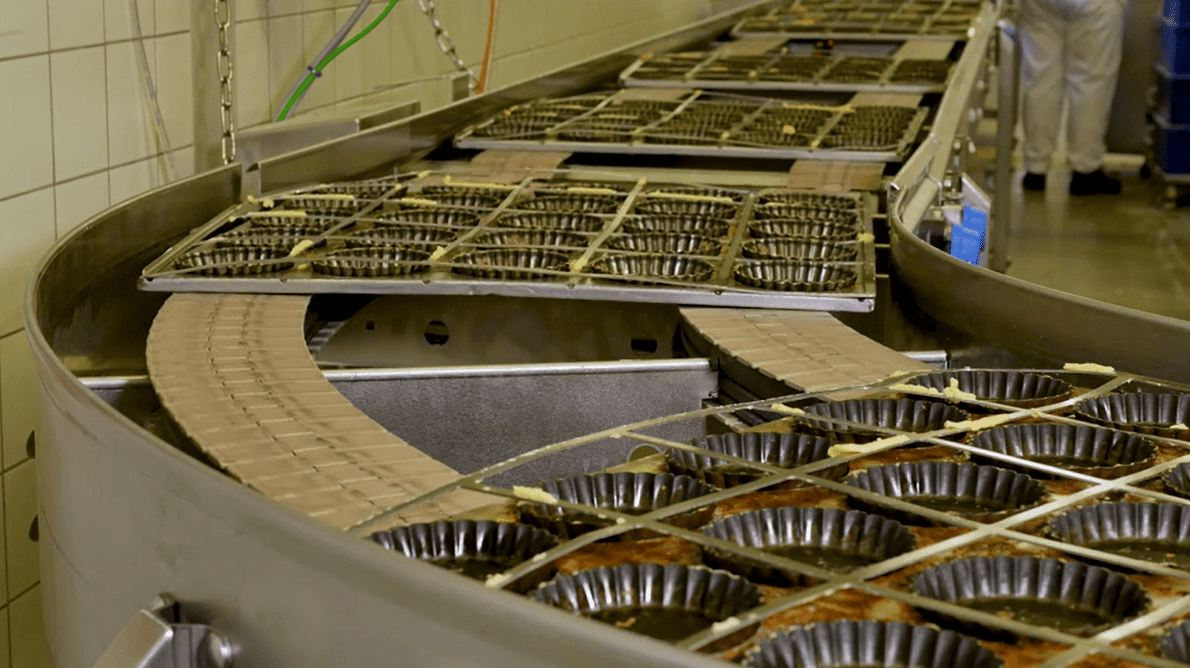
Every factory has a rhythm. Products move from one station to the next, ingredients travel from storage to processing, and finished goods reach the packaging line. The conveyor system is what creates and holds that rhythm. Lose it, and the entire operation loses its pace.
Is a Conveyor System Just a Transport Device?
Most people see a conveyor and think: it moves things from A to B. That description is not wrong, but it is far too small.
A conveyor system is not just a transport device. It is the connecting layer between every stage of production.3 It keeps materials arriving at the right place, at the right time, in the right condition — and it does this continuously, across the full length of a production shift.
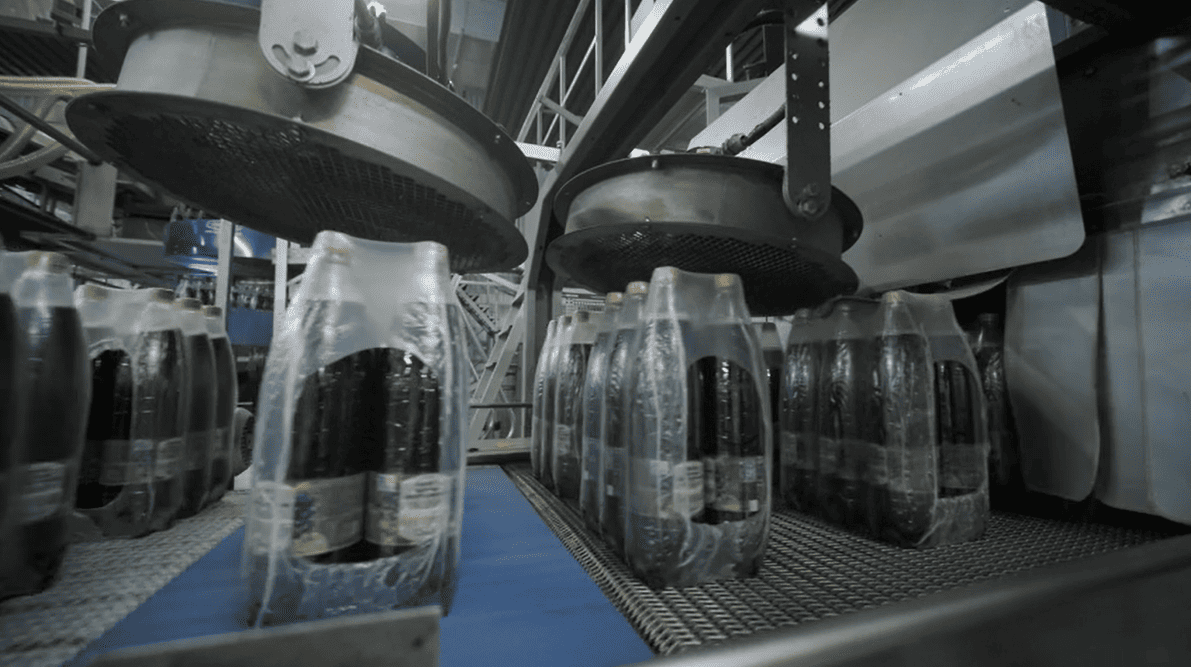
Think about what actually happens on a production floor. A machine processes a batch of product. That product must move to the next machine without delay, without damage, and without manual handling. The conveyor does this job silently in the background, every minute of every shift.
When the conveyor works well, no one notices it. When it fails, the entire production line feels it immediately.
This is a useful way to understand how central conveyors really are. They are not a supporting tool. They are the flow infrastructure that connects everything else.
What "Connecting Production Processes" Actually Means
| Function | What It Does for the Factory |
|---|---|
| Material transport | Moves raw materials, semi-finished goods, and finished products between stations |
| Process linking | Connects machines so output from one feeds directly into the next |
| Buffer and timing | Controls the pace of material flow, reducing pile-ups and gaps |
| Handling consistency | Delivers products in stable positions, reducing damage and variation |
| Workforce support | Reduces manual carrying, repositioning, and transport tasks |
Each of these functions contributes to one result: stable, continuous production output. Remove the conveyor from the picture, and you replace all of these with manual labor, delays, and unpredictable results.
A factory without a reliable conveyor system is not just slower. It is structurally less stable. The work still gets done, but it depends on people filling the gaps where the system should be.
Why Does Material Flow Matter So Much in Modern Factories?
There is a lot of conversation today about smart factories, automation, and digital production systems. Most of that conversation focuses on software, sensors, robots, and data platforms.
Material flow is the physical foundation that smart factory technology depends on. Automation systems can only perform well if materials arrive correctly and on time. When the physical flow layer is unreliable, digital systems and robotic equipment cannot compensate for it.
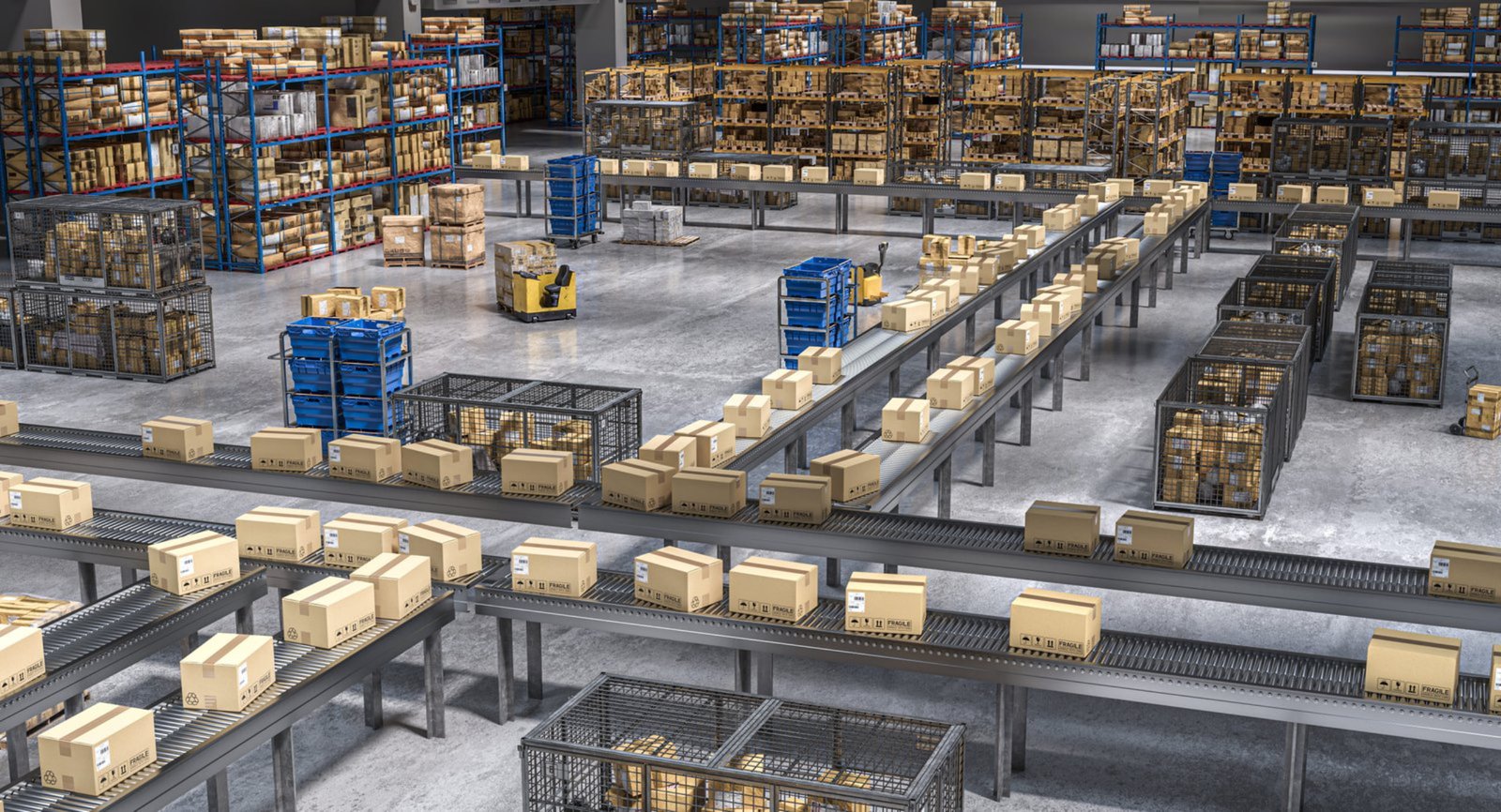
This is a point that often gets skipped in conversations about factory modernization. Companies invest in automated systems, and then discover that the physical side — how materials actually travel through the factory — creates the real bottleneck.
A robot arm at a workstation can only work at full speed if parts arrive consistently.4 A packaging machine can only run efficiently if products arrive in the right orientation, at the right pace. A sensor-based quality system can only inspect reliably if products move past at a controlled speed.
All of these depend on the conveyor doing its job.
The Physical Layer vs. The Digital Layer
| Layer | What It Covers | What It Depends On |
|---|---|---|
| Digital layer | Software, sensors, data, control systems | Clean, predictable data inputs from stable physical processes |
| Mechanical layer | Robots, machines, automated tools | Consistent material arrival and positioning |
| Physical flow layer | Conveyors, belts, chains, guides | Proper component selection, maintenance, and system design |
The physical flow layer is at the base of this structure. It does not replace digital technology. But without it functioning reliably, the layers above it become much harder to run well.
This is why production engineers in high-output factories give serious attention to conveyor system reliability. It is not just about moving boxes. It is about keeping the whole production architecture stable.
What Makes a Conveyor System Perform Well Over Time?
A conveyor system looks like one machine. In practice, it is a collection of components working together. The overall performance of the system depends on how well each of those components is selected and maintained.
Conveyor performance depends on the combined reliability of its components — including belts, modular belts, chain plates, sprockets, guide rails, side guards, and wear strips. When any one of these components wears out or fails, the whole system is affected.5
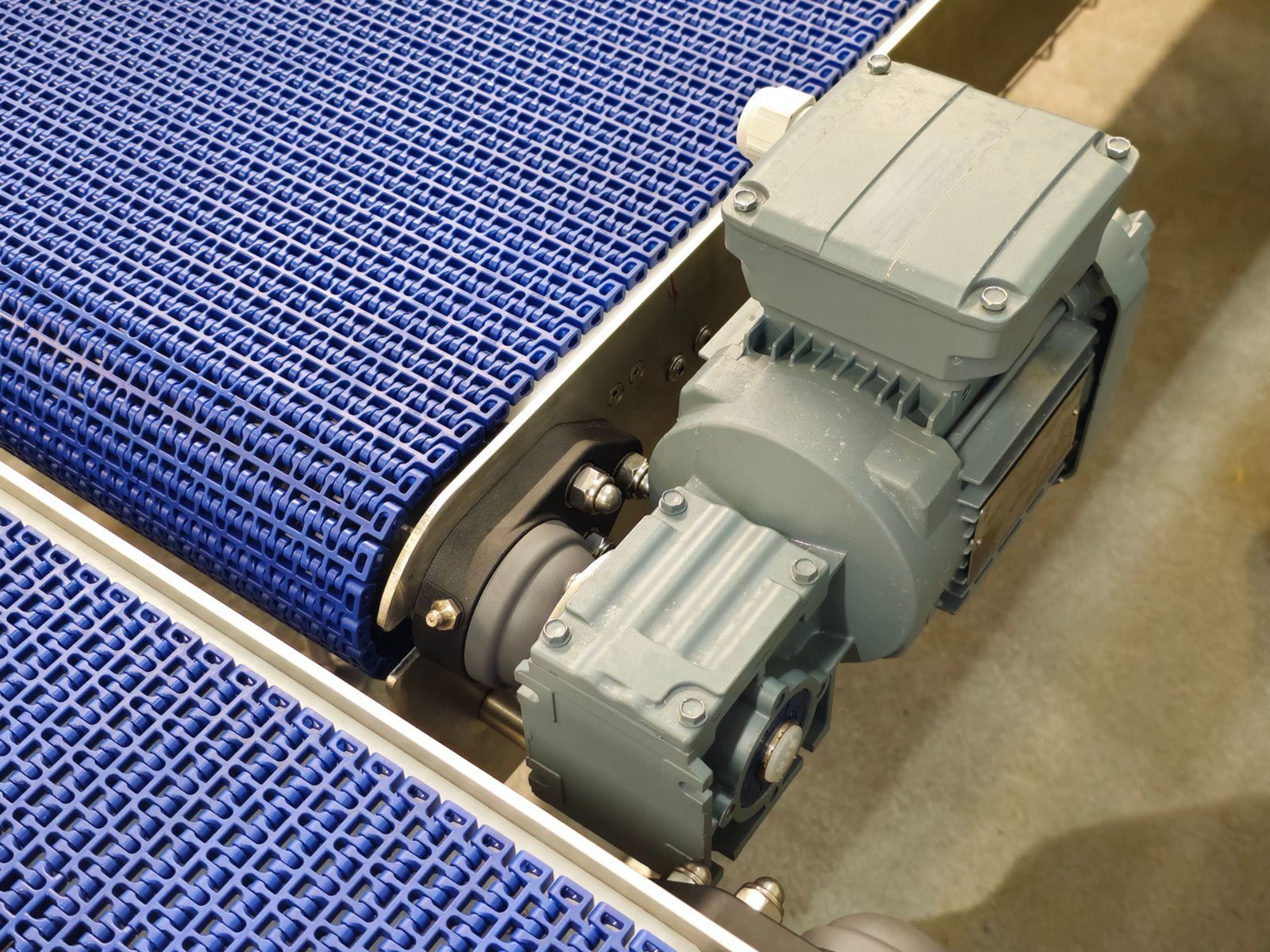
I have seen situations where a production line went down not because of a major mechanical failure, but because a worn wear strip caused the belt to run unevenly. Or because a mismatched sprocket created tension problems over time. These are small components in the bigger picture, but their impact on system behavior is direct.
Key Conveyor Components and Their Role
| Component | Role in the System |
|---|---|
| Plastic chain plates | Form the carrying surface for products; chosen based on product type and hygiene needs |
| Modular plastic belts | Provide flexible, easy-to-clean belt surfaces for food and beverage applications |
| Industrial and timing belts | Drive motion and maintain synchronization across the system |
| Sprockets | Transfer drive force to the belt or chain; must match belt specification precisely |
| Guide rails and side guards | Keep products aligned and on the belt during transport |
| Wear strips | Reduce friction and protect the belt and frame from accelerated wear |
| Brackets and supports | Maintain the structural position and alignment of the conveyor frame |
Each component has a specific function, and each one has a lifespan. The conveyor system as a whole performs as well as its least reliable part.
This is why sourcing components carefully matters. A replacement belt or sprocket that does not match the original specification can cause problems that take time to diagnose — and the cost of that downtime is always higher than the cost of the correct part.
How Do Industry-Specific Needs Shape Conveyor Design?
Not all factories work with the same materials, temperatures, cleaning processes, or product sensitivities. Conveyor systems used in food processing look and function differently from those used in general manufacturing — and for good reason.
In food, beverage, bakery, fruit handling, canning, and pharmaceutical production, conveyor systems must meet hygiene standards, handle delicate products gently, support regular cleaning, and use materials that resist moisture, chemicals, and contamination.
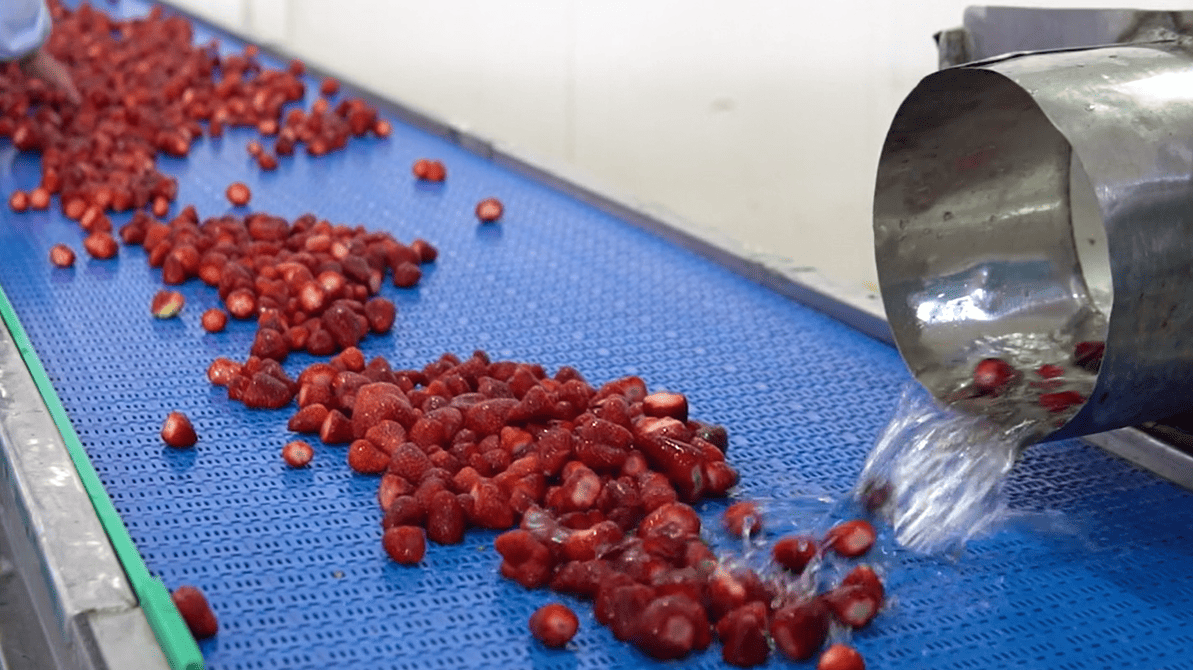
These industries place specific demands on every part of the conveyor system — not just the belt surface, but the frame design, the drainage geometry, the belt material, and even the shape of the sprockets and guides.
Industry-Specific Conveyor Requirements
| Industry | Key Conveyor Priorities |
|---|---|
| Food processing | Hygienic belt materials, easy disassembly for cleaning, smooth product handling |
| Beverage and brewing | Resistance to moisture and cleaning chemicals, stable bottle or can transport |
| Bakery and confectionery | Heat resistance, crumb management, gentle handling of fragile products |
| Fruit and vegetable handling | Soft contact surfaces, water drainage, resistance to organic residue |
| Can manufacturing | High-load capacity, durable chain and sprocket systems, precise timing |
| Pharmaceuticals | Non-contaminating materials, cleanroom-compatible designs, traceability support |
When a factory in food processing selects a conveyor belt, material choice is not just a mechanical decision. It affects whether the product is safe, whether cleaning is practical, and whether the factory meets regulatory requirements.6
This is a level of detail that matters more than most people outside these industries realize. The right conveyor component in the right application is not just a performance choice — it is a compliance and safety choice.
Conclusion
A conveyor system is the physical flow layer that holds factory production together. It connects processes, supports automation, and keeps materials moving — reliably, every shift. At Molytech, this is exactly the area we focus on: supplying the right components so your system keeps running.
"Conveyor system - Wikipedia", https://en.wikipedia.org/wiki/Conveyor_system. A general reference on conveyor systems supports the description of conveyors as material-handling infrastructure used to move goods through industrial production environments. Evidence role: definition; source type: encyclopedia. Supports: A neutral reference should define conveyors as material-handling equipment used to move materials or products within industrial and manufacturing processes.. Scope note: The source would support the general role of conveyors, not prove that every factory treats them as its primary production backbone. ↩
"[PDF] Model-driven Performance Analysis of Reconfigurable Conveyor ...", http://www.dre.vanderbilt.edu/~gokhale/WWW/papers/ICCPS11_Conveyor.pdf. Research on manufacturing material-flow systems supports the view that continuous material handling helps link production stages and influences throughput stability. Evidence role: general_support; source type: paper. Supports: A manufacturing-systems source should explain that material-handling systems affect flow continuity, work-in-process movement, and production performance.. Scope note: The evidence is likely to support the general relationship between material flow and output stability rather than quantify the effect for this specific factory context. ↩
"[PDF] Chapter 13. Material Handling Systems - Logistics Systems Design", https://www2.isye.gatech.edu/~mgoetsch/cali/logistics_systems_design/material_handling_systems/material_handling_systems.pdf. Educational material on industrial material handling describes conveyor systems as integrated mechanisms for moving materials between workstations and production operations. Evidence role: definition; source type: education. Supports: An academic or educational source should describe conveyors as components of integrated material-handling systems that connect workstations or processing steps.. Scope note: This supports the conceptual framing of conveyors as linking infrastructure, not the absolute claim that they connect every stage in all factories. ↩
"Ubiquitous Robotic Technology for Smart Manufacturing System", https://pmc.ncbi.nlm.nih.gov/articles/PMC4944091/. Research on automated production lines shows that workstation utilization depends on upstream material availability and can be reduced by starvation caused by inconsistent part arrivals. Evidence role: mechanism; source type: paper. Supports: A manufacturing-systems source should explain that automated stations can be starved or underutilized when upstream material arrivals are inconsistent.. Scope note: The source would support the production-line mechanism broadly; it may not address robot arms specifically in every application. ↩
"Conveyor belt maintenance and reliability improvement practices ...", https://www.academia.edu/168356236/Conveyor_belt_maintenance_and_reliability_improvement_practices_trends_and_perspectives. Maintenance literature on conveyor systems links component wear and misalignment with degraded operation, increased failure risk, and possible interruption of material flow. Evidence role: mechanism; source type: research. Supports: A maintenance or reliability source should support that wear, misalignment, or failure in conveyor components can cause degraded system operation or downtime.. Scope note: The evidence would support the general maintenance mechanism, while the severity of system impact depends on the component, conveyor design, load, and operating conditions. ↩
"Food Packaging & Other Substances that Come in Contact with Food", https://www.fda.gov/food/food-ingredients-packaging/food-packaging-other-substances-come-contact-food-information-consumers. Government food-safety rules for food-contact equipment require materials and surfaces to be suitable for use, cleanable, and maintained to prevent contamination, supporting the connection between conveyor material choice, sanitation, and compliance. Evidence role: general_support; source type: government. Supports: A food-safety regulatory source should support that food-contact equipment materials must be suitable, cleanable, and resistant to conditions that could lead to contamination.. Scope note: The source would establish regulatory principles for food-contact equipment, not evaluate any specific conveyor belt material or supplier. ↩