

Plastic modular belting comes up constantly in procurement and maintenance conversations, yet the term itself often gets used loosely. Buyers describe the same belt in three different ways. Suppliers quote different products for the same inquiry. The confusion usually starts with structure — and resolves there too.
Plastic modular belting is an assembled conveyor belt built from individual interlocking plastic modules connected by transverse pins. Unlike continuous PVC or PU belts, each module is a discrete injection-molded unit. Modules link together across the belt width and along its length, forming a flat, flexible surface that can be disassembled, extended, or partially replaced without replacing the entire belt.
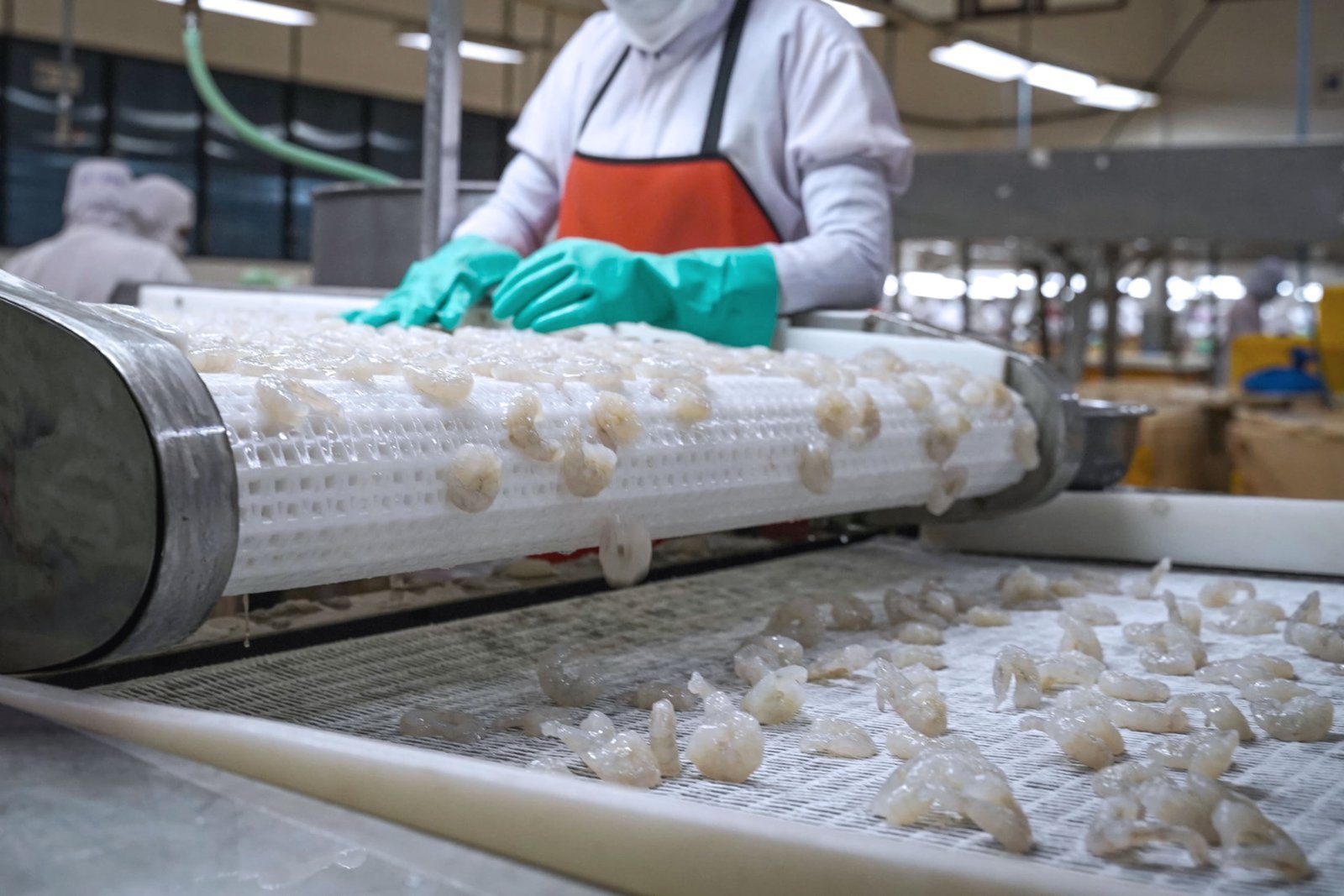
Understanding this structure changes the way you read a belt. Once you recognize what each part does, you can describe a product more accurately, compare alternatives more reliably, and communicate with suppliers without ambiguity. The sections below break down each structural element in the order we typically confirm them during inquiry communication.
What Makes a Modular Belt Different from Other Conveyor Belts?
When buyers first encounter plastic modular belting, the most common mistake is comparing it directly to flat PVC or PU belts. The difference is not just material — it is the entire construction logic.
Plastic modular belting is fundamentally a linked assembly, not a continuous sheet. Each module functions as a structural unit. The belt's flexibility, strength, and repairability all depend on how those units connect — not on the tensile properties of a single continuous substrate.
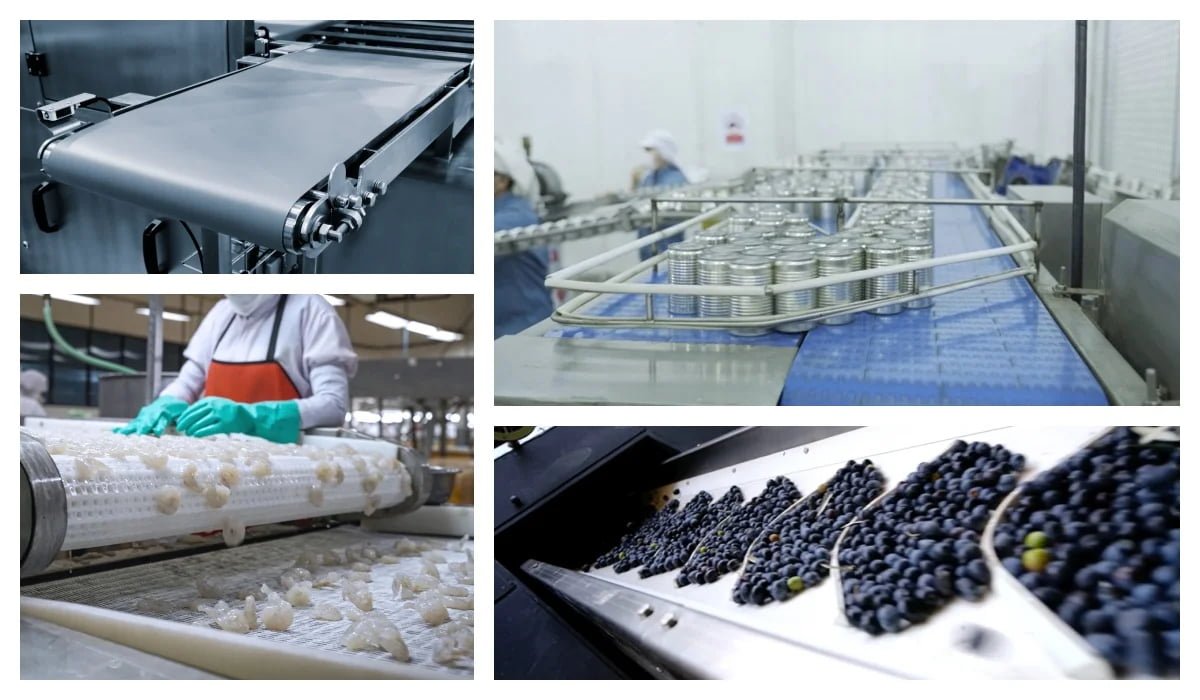
This distinction matters practically. When a section of a continuous belt wears or tears, the entire belt often needs replacement. With a modular belt, individual modules or rows can be replaced.1 That structural logic — discrete units rather than a continuous sheet — is what defines the product category.
Construction Logic Side by Side
| Feature | Plastic Modular Belt | Continuous PVC/PU Belt |
|---|---|---|
| Basic unit | Injection-molded module | Continuous substrate |
| Connection method | Interlocking hinges + pins | Vulcanized or welded ends |
| Partial replacement | Yes, by row or module | Typically no |
| Width adjustment | Modular expansion | Requires re-cutting |
| Drive mechanism | Sprocket-driven | Pulley-driven (friction) |
| Surface variety | Wide — determined by module design | Limited to coating or profile |
The sprocket-drive mechanism is another structural consequence worth noting. Because the belt assembles from rigid modules, it engages sprocket teeth at fixed intervals rather than relying on friction from a roller or drive pulley. This means pitch — the distance between hinge centers — is a fundamental specification, not an optional detail.
From our experience handling product inquiries, the moment a buyer mentions sprockets or asks about tooth count, the conversation is almost certainly about modular belting. That structural detail surfaces consistently.
How Are Individual Modules Constructed?
Most people who work with plastic modular belts handle the finished assembled belt. Fewer stop to look at what a single module actually consists of. That level of observation is where accurate product description starts.
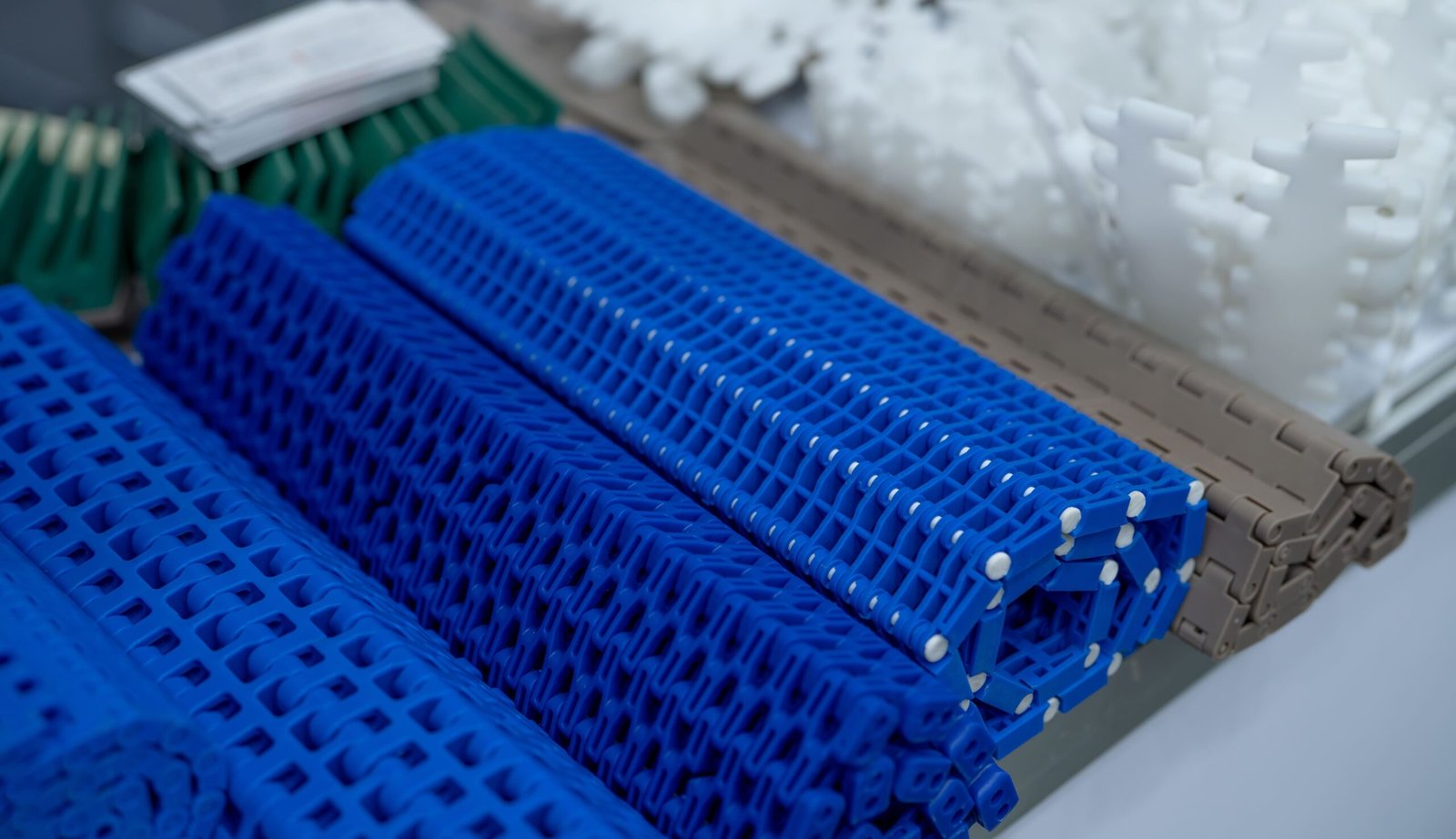
A single plastic module consists of a body section — the flat or structured top surface — and two sets of hinge eyes extending from each end. The hinge eyes of adjacent modules interlock, and a transverse pin passes through the aligned eyes to form a living hinge joint.2 This joint allows articulation while maintaining lateral rigidity.
The Three Functional Zones of a Module
Breaking a module into three zones makes it easier to discuss and compare:
- Top surface (contact zone): This is what touches the product. Its geometry determines how the belt supports, grips, drains, or releases what it carries.
- Body structure (load zone): This is the internal framework. Wall thickness, rib design, and material distribution here affect stiffness and load capacity.
- Hinge eyes (connection zone): These determine how the module links to the next row, how the pin seats, and how the belt articulates over sprockets and around return paths.
When we look at a module in an inquiry context, the hinge eye geometry is one of the first things we confirm. It determines compatibility. Two modules that look similar on the surface but have different hinge eye counts or geometries will not assemble correctly — even if their pitch values match. This is a point that causes real confusion in replacement scenarios.
Material Context
Most plastic modular belt modules are made from:
- Polypropylene (PP) — General-purpose use, cost-effective, food-safe grades available
- Polyethylene (PE) — Softer, lower friction, often used where product marking is a concern
- Acetal (POM) — Stiffer, lower moisture absorption, suited for precision or wet environments
- Nylon (PA) — Higher load capacity, though less common in food applications due to moisture behavior
Material selection follows from environment and application requirements. We do not recommend a specific material here — application-specific decisions should involve qualified engineering review. But recognizing the material from a module sample or data sheet is a practical skill for buyers and distributors.
What Does Pitch Mean in Modular Belt Structure?
Pitch is one of the most frequently misunderstood specifications in modular belt inquiries. Buyers sometimes use it interchangeably with "link size" or "module length." These are related but not identical concepts.
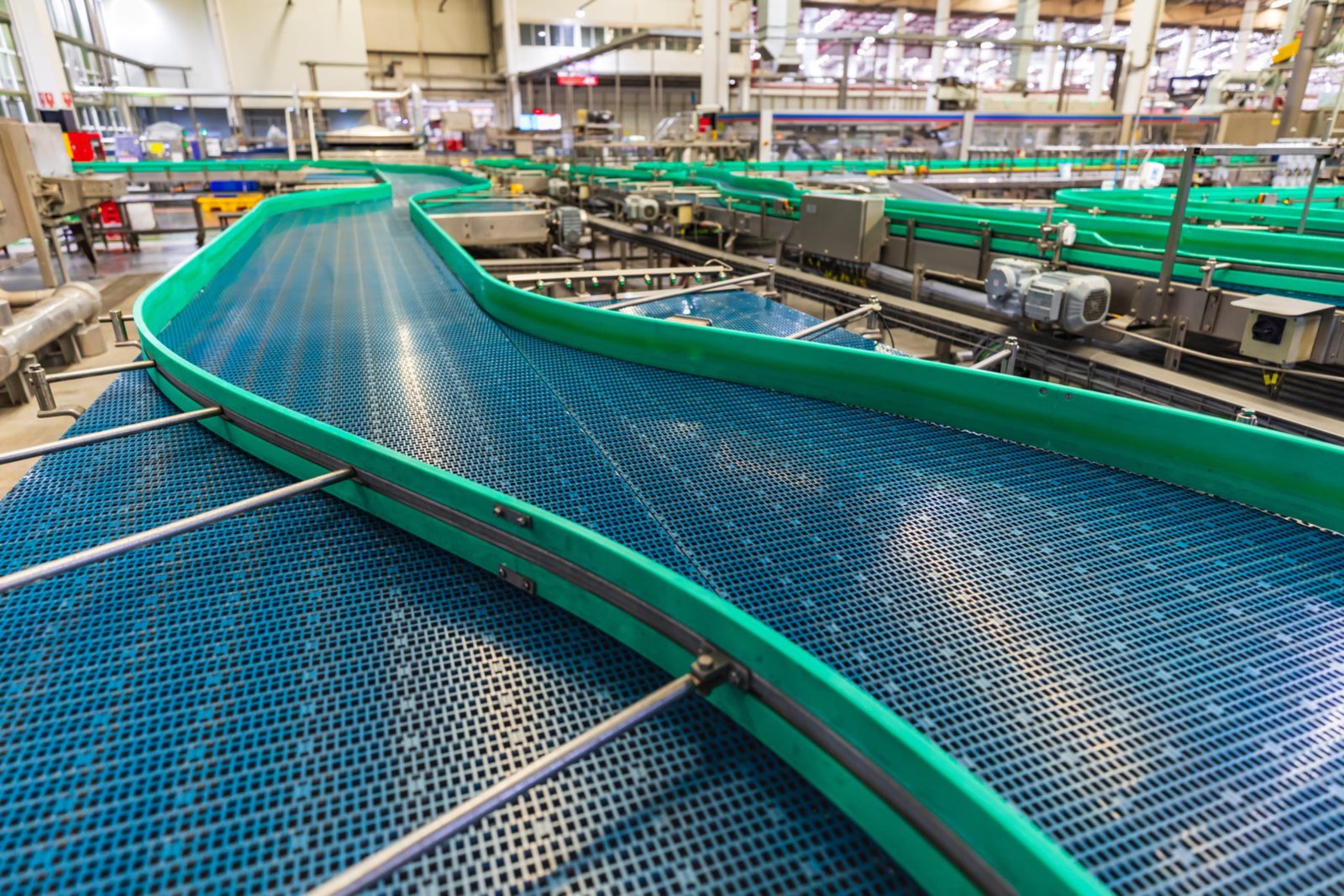
Pitch in a plastic modular belt refers to the center-to-center distance between consecutive hinge pin axes. It defines the geometric repeat of the belt's drive engagement. Common pitch values include 25.4 mm (1 inch), 38.1 mm (1.5 inch), and 50.8 mm (2 inch), though non-standard pitches exist across different manufacturer series.
Why Pitch Drives Compatibility
Pitch matters for two reasons in procurement:
- Sprocket compatibility: Sprockets are manufactured to match specific pitch values. Mismatched pitch means the belt will not seat correctly on the sprocket teeth, causing uneven drive, accelerated wear, or belt walking.
- Cross-brand substitution: When buyers source replacement belts across brands, pitch is the first structural filter. Two belts with the same pitch may still differ in hinge geometry, module width, or surface design — but without matching pitch, substitution is impossible regardless of other similarities.
In inquiry communication, we usually confirm pitch early, ideally from the existing sprocket or a measurement of the physical belt. If neither is available, module body length can sometimes approximate pitch — but this is a starting estimate, not a confirmed specification.
Pitch and Belt Flexibility
Smaller pitch values generally produce a belt that articulates more finely — more hinge points per meter means tighter minimum turn radius. Larger pitch belts carry more load per row but have less flexibility. This is not a universal rule, because module body design and material also affect articulation. But pitch remains a reliable first indicator when comparing flexibility across belt series.
How Does Surface Structure Define What a Belt Does?
Surface structure is probably the easiest part of a modular belt to observe visually, yet it is also the most varied. In our experience, surface geometry is often how end users first describe a belt they are trying to replace or source — they describe what they see, even if they do not know the formal name.
The top surface of a plastic modular belt is determined by the module's molded geometry. Common configurations include flat top, open grid, raised rib, friction top, and side-flexing profiles. Each configuration reflects a different product-contact requirement — flat for smooth transfer, open for drainage, ribbed for grip or elevation.
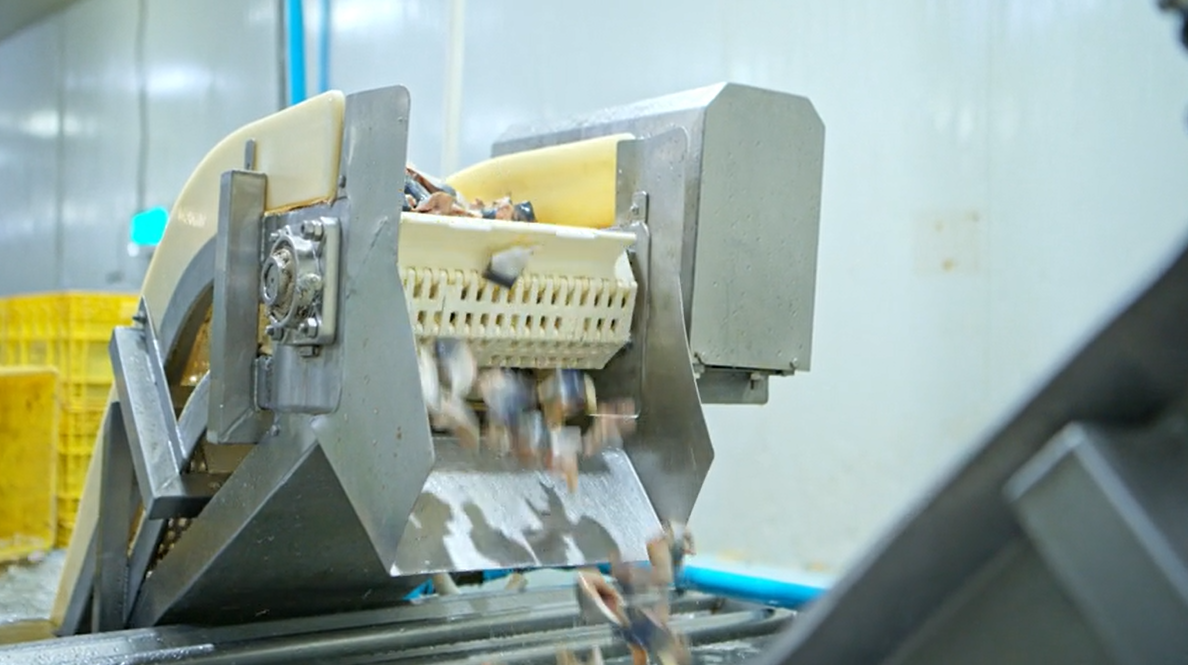
Common Surface Types and What They Signal
Recognizing surface types is a practical recognition skill for anyone buying or specifying modular belting:
- Flat top: Smooth, uninterrupted surface. Common in general food handling where a stable, cleanable contact surface is needed. Easy to wipe down. Products glide rather than grip.
- Open area / open grid: The module body includes large apertures. Primary function is drainage — water, debris, and liquids fall through. Common in washing, blanching, or produce handling.
- Raised rib or flight: Transverse ribs molded into the surface. Used when product needs to be carried on inclines or when lateral positioning matters. Rib height and spacing vary considerably.
- Friction top: A textured or rubber-inset surface that increases grip. Often used on inclines or where product slip would cause process errors.
- Knuckle top: A rounded, textured surface. Less aggressive than friction top, often used for fragile products where full flat contact would cause marking.
These are not exhaustive categories, and naming conventions differ across manufacturers. The important point is that surface structure is a functional specification — it directly affects how the belt interacts with whatever moves across it. When a buyer says "we need a belt that drains water," that is a surface structure requirement before it is anything else.
Surface Structure and Cleanability
In food, beverage, and pharmaceutical environments, surface geometry also affects how thoroughly a belt can be cleaned.3 Open-area belts expose more surface to washdown. Flat-top belts with tight hinge tolerances accumulate less debris in joints. Raised ribs create recesses that require targeted cleaning attention. We note these characteristics when customers describe their sanitation requirements — not as a design recommendation, but as a structural observation relevant to the selection conversation.
How Is Belt Width Determined and Described?
Width is one of the simpler structural parameters to discuss, but it is worth addressing clearly because it is measured and described differently for modular belts than for continuous belts.
Plastic modular belt width is determined by the number of modules assembled side by side in each row, multiplied by the individual module width. Because modules are standardized units, belts are typically built in discrete width increments rather than cut to exact dimension.
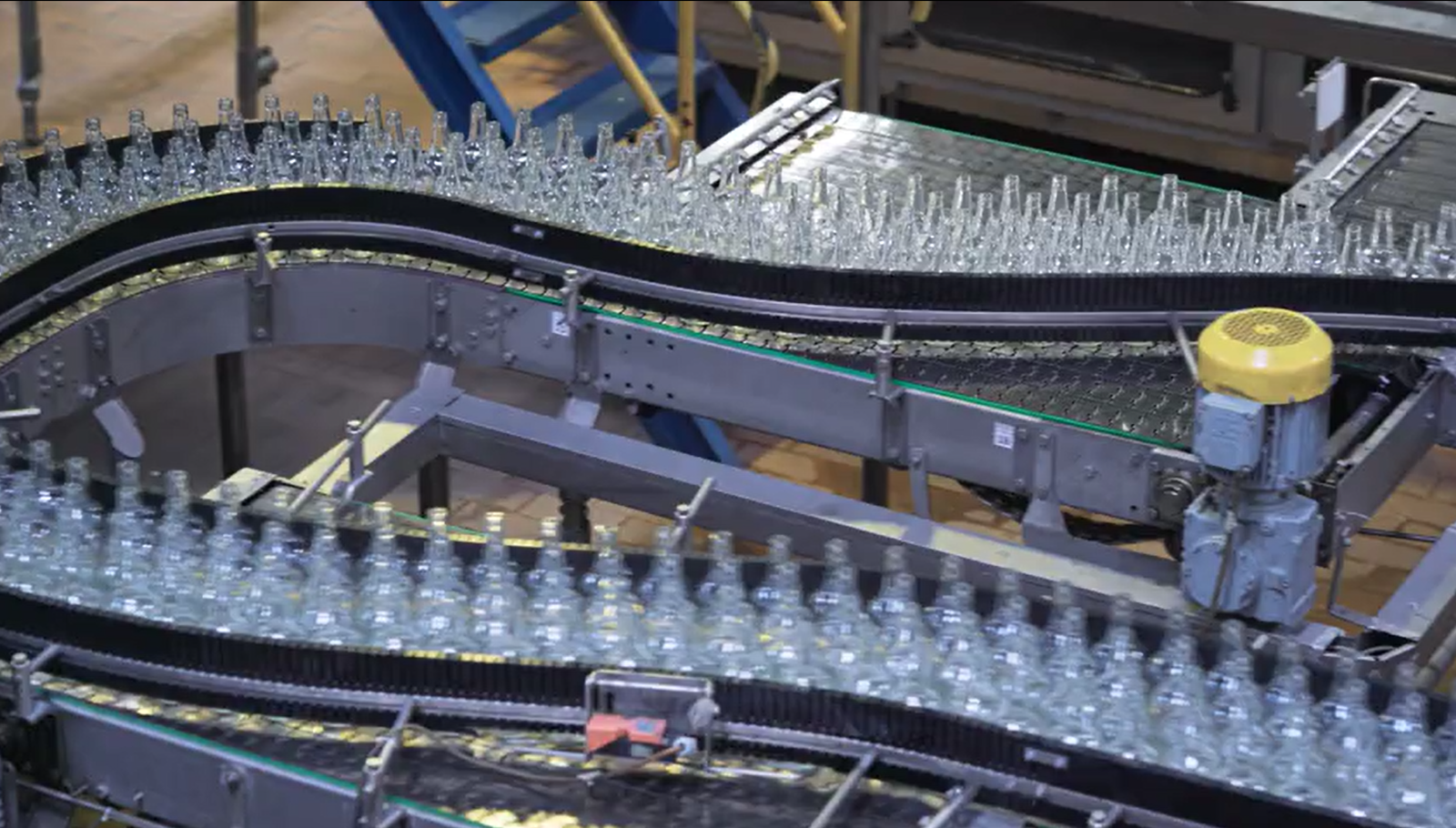
Width in Practice
This modular width logic has two practical implications:
- Width matching is approximate: When replacing a belt, the target width may not correspond exactly to a standard module-count configuration. A small variance — typically a few millimeters — is structurally normal. Whether that variance fits a specific frame requires mechanical confirmation.
- Width scales by module count: Adding width means adding modules, not cutting or stretching material. This also means different belts in the same series may share the same module width dimension, making cross-series comparison straightforward.
In inquiries, buyers sometimes provide conveyor frame width rather than belt width. These are not the same. Frame width typically exceeds belt width by a margin that accounts for guiderails and side clearances. We usually ask for the belt itself to be measured directly when precision matters.
Frequently Asked Questions
What is the difference between pitch and module length in a plastic modular belt?
Pitch is the center-to-center distance between adjacent hinge pin axes. Module length refers to the overall body dimension from one hinge row to the next. These values are related but not always identical — hinge eye geometry affects the effective pitch. For sprocket compatibility, always confirm pitch, not body length alone.
Can modules from different manufacturers be mixed in the same belt?
Sometimes, but not reliably. Even when pitch values match, hinge eye geometry, eye count, and tolerances vary across manufacturers and product series. Mixing modules from different sources requires physical verification of fit. We generally recommend confirming full-row compatibility before assuming interchangeability.
How do I describe a plastic modular belt if I do not have the original data sheet?
Start with what you can observe or measure directly: pitch, surface type, approximate width, material appearance, and any visible markings on the module body. Most modular belt manufacturers mold brand or series codes into the module. These visible details are usually enough to begin a productive supplier conversation.
What materials are most common for plastic modular belts in food processing?
Polypropylene (PP) and acetal (POM) are the most frequently encountered in food processing contexts. PP is widely used for general food handling. POM is common in wetter or more precision-sensitive environments. The appropriate material for a specific application should be confirmed by a qualified engineer based on actual process conditions.
Does surface type affect which sprockets are needed?
Surface type alone does not determine sprocket selection. Sprocket compatibility is governed by pitch and hinge geometry, not by the top surface configuration. However, open-area or flight surfaces may affect how the belt seats on certain sprocket designs. When switching surface types within a belt series, sprocket compatibility should still be confirmed.
Conclusion
Plastic modular belting is best understood as a structural system: interlocking modules, transverse pins, defined pitch, width built from discrete units, and a top surface that reflects a specific product-contact requirement. None of these elements stand alone. Together, they define what a belt is and what it can do. At Molytech, we approach every modular belt inquiry by working through these structural elements in order — because accurate identification is the foundation of accurate supply. If you are sourcing, replacing, or evaluating plastic modular belting and want a supplier who reads the structure before quoting, we are ready to help.
"Conveyor Belts Research Papers", https://www.academia.edu/Documents/in/Conveyor_Belts/TopPapers. Maintenance descriptions of modular plastic conveyor belts note that damaged sections can be removed and replaced at the module or row level, supporting the article's claim about partial repairability. Evidence role: general_support; source type: institution. Supports: A technical maintenance or institutional source should confirm that modular conveyor belts can be repaired by replacing individual modules, rows, or sections.. ↩
"modular conveyor belt with rolling hinge pin pairs", http://www.wipo.int/patentscope/search/en/WO2003020618. Technical descriptions of modular conveyor belts identify intermeshing hinge elements joined by transverse rods or pins as the mechanism that permits belt articulation while maintaining connected rows. Evidence role: mechanism; source type: paper. Supports: A technical paper or patent-based technical description should support the hinge-eye and transverse-pin articulation mechanism used in modular belts.. Scope note: Patent or technical-design sources may describe representative constructions rather than every commercial modular belt design. ↩
"Sanitary Design and Construction of Food Equipment1", https://ucfoodsafety.ucdavis.edu/sites/g/files/dgvnsk7366/files/inline-files/26502.pdf. Hygienic-design guidance for food-processing equipment identifies surface geometry, crevices, and accessibility as factors affecting soil retention and cleanability, supporting the article's claim that modular belt surface design influences sanitation outcomes. Evidence role: expert_consensus; source type: institution. Supports: A hygienic-design or food-safety institution should support that equipment and belt surface geometry affects soil retention and cleanability.. Scope note: The source supports the hygienic-design principle broadly and may not evaluate each listed modular belt surface type individually. ↩