

Are you struggling to keep your production line moving because you cannot identify the specific part you need? Identifying conveyor components shouldn't feel like solving a complex puzzle.
A conveyor system is a combination of moving parts that transport products, power sources that drive that movement, structural elements for support, and guides that keep everything in line.1 While systems differ, these core groups allow your production line to operate efficiently and reliably every single day.
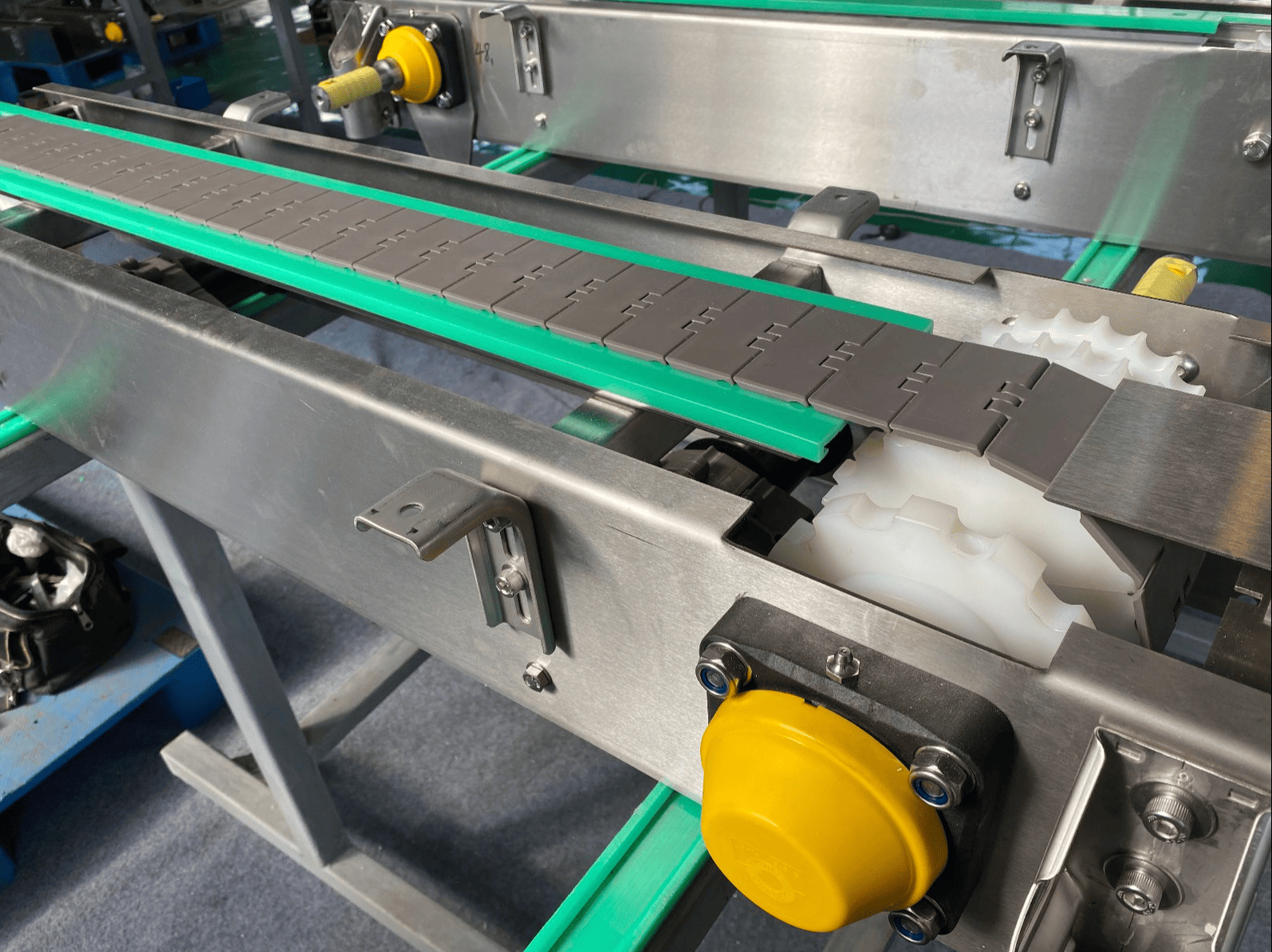
I spend most of my time at Molytech talking to maintenance teams and plant managers who just need their lines to run without a hitch. You don't need a degree in engineering to understand how these machines work together, but knowing the basic anatomy of your conveyor is the first step to avoiding long, costly downtimes.
What is the heart of the conveyor system?
Do you find it frustrating when a conveyor belt snaps and you don't even know what to ask your supplier for? The main moving part of your conveyor dictates how your product travels from start to finish.
The main conveying element is the surface that physically carries your product, such as a plastic modular belt, a chain plate, a traditional industrial belt, or a screw blade. This part must be chosen based on your product weight, size, and the hygiene requirements of your facility.2
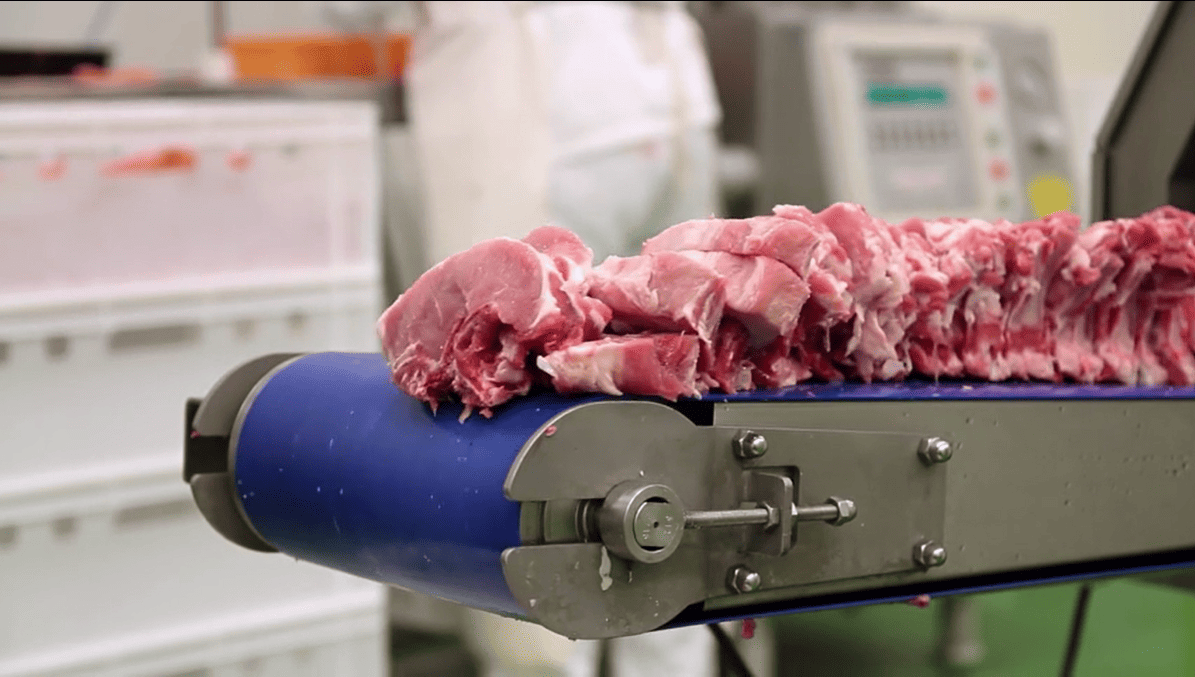
In my experience at Molytech, the conveying surface is the first thing to wear out because it does the heavy lifting. If you are in the food or beverage industry, you are likely using plastic modular belts or chain plates because they are easy to clean and very durable. If you are moving heavy boxes, you might rely on standard industrial rubber belts. It is important to know that these are not interchangeable. A screw conveyor, which moves grains or powders, uses a completely different set of components compared to a chain plate conveyor designed for bottled water.3 You must understand that while all these parts move your goods, they belong to different families of equipment.
| Conveyor Type | Main Moving Component | Common Application |
|---|---|---|
| Modular Belt Conveyor | Plastic Modular Belt | Food processing & packaging |
| Chain Plate Conveyor | Plastic/Steel Chain Plate | Bottling & canning lines |
| Belt Conveyor | Industrial Rubber/PVC Belt | General logistics & parcels |
| Screw Conveyor | Helical Screw/Auger | Powder & grain handling |
How does the system generate and transfer power?
Are you tired of your production line stopping because of a mysterious clicking or slipping sound? When your conveyor loses its drive, the entire operation grinds to a halt.
Drive and transmission components provide the force to move the belt or chain, including motors, reducers, drive pulleys, sprockets, and timing pulleys.4 These parts work together to turn electrical energy into the smooth, steady motion required for your production flow.5
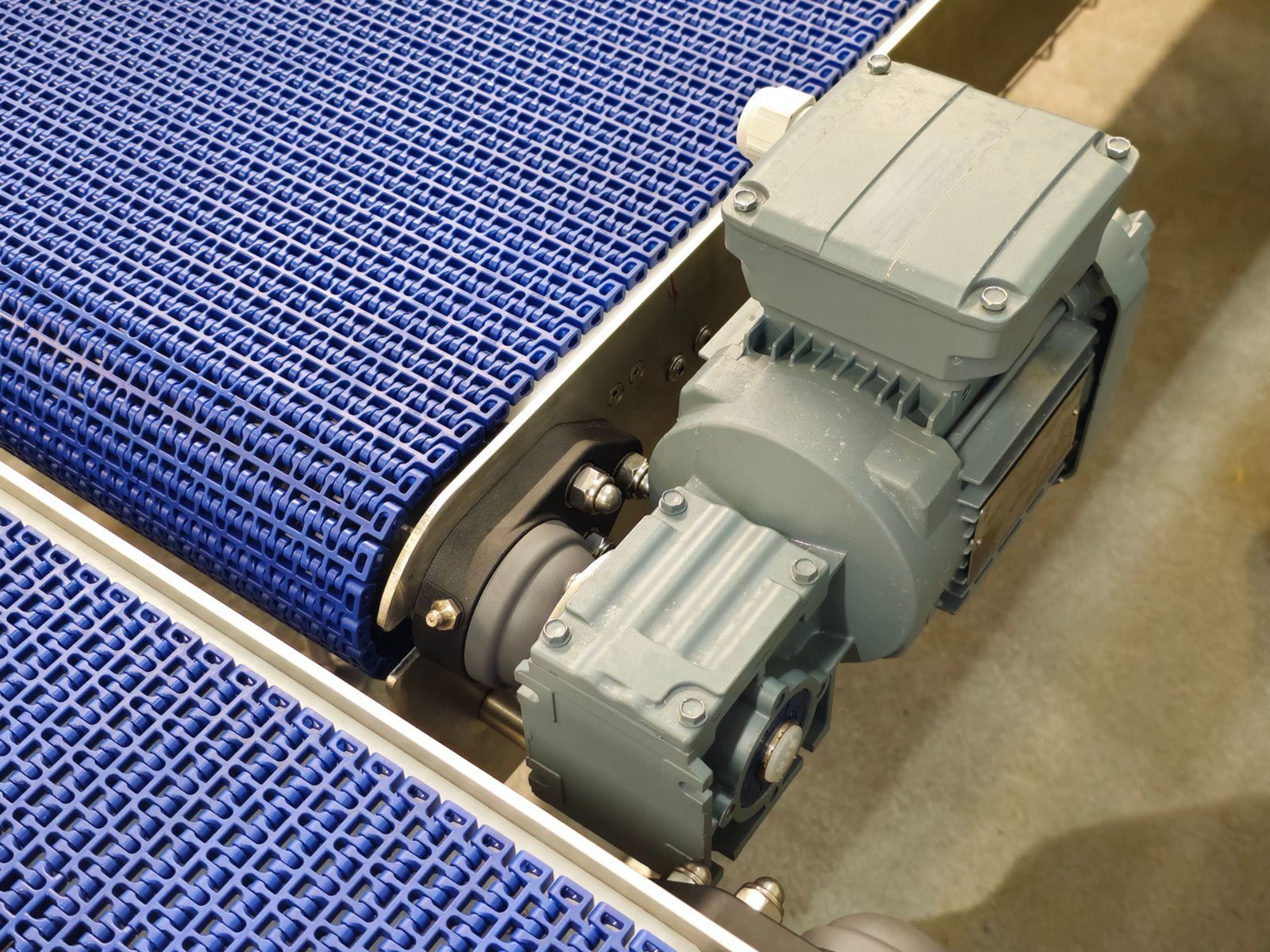
When I visit a client's facility, I often see that they focus only on the belt itself, but the drive system is just as important. The motor provides the power, and the reducer adjusts that speed to a level your line can handle. The sprockets or pulleys act as the bridge between the motor and the moving belt. If your sprocket teeth are worn, the chain will skip and wear down quickly. I have seen many cases where a client replaced their belt three times in a month, only to realize the drive sprocket was the actual culprit. You should think of the drive system as the legs of your conveyor; if they aren't working right, nothing else matters. Keep these parts clean and check them for alignment regularly to ensure your system stays in sync during daily operation.
What holds the system together and keeps products on track?
Does your product keep falling off the side of the conveyor, or does the whole structure wobble when it gets busy? A stable conveyor is a productive conveyor.
Support and guiding parts, such as frames, brackets, guide rails, side guards, and wear strips, maintain the structure of the conveyor and ensure the products stay in a straight line while moving through the facility.6
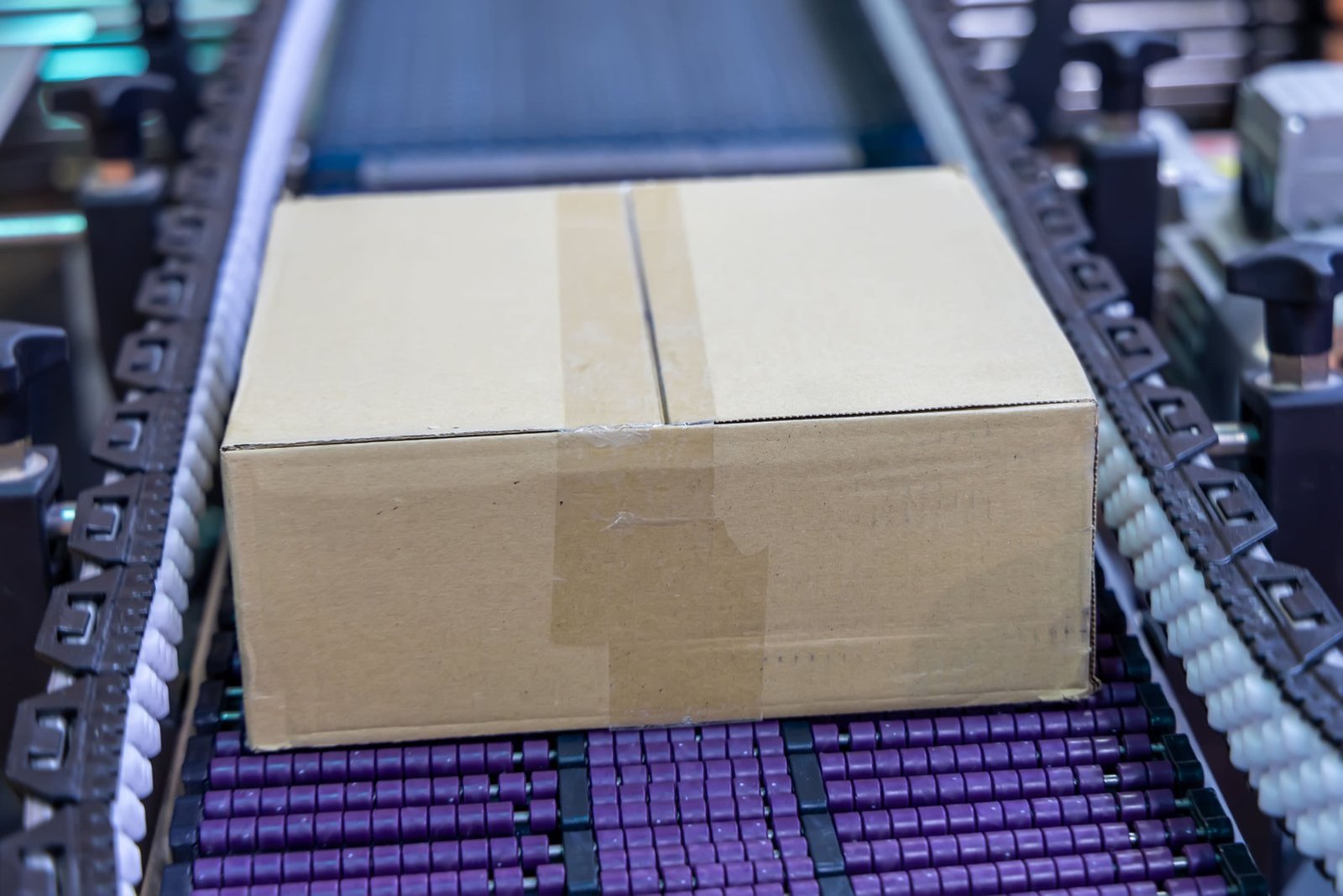
Support and guiding components might seem like "simple" parts, but they are essential for your peace of mind. Without wear strips, your chain would grind directly against the frame, causing loud noise and metal-on-metal damage. Without guide rails and side guards, your products would fall off at every turn, causing accidents and lost time. I often tell my customers that these small parts are the "unsung heroes" of their production lines. If you have the right brackets and wear strips installed, you save the expensive motors and belts from unnecessary stress. A well-supported conveyor frame means less vibration and a longer life for your equipment.7 Whether you are using stainless steel brackets for a wet environment in a brewery or plastic rails for a bakery, these components keep your line focused on the task at hand.
Conclusion
A conveyor system relies on conveying surfaces, drive parts, and support elements to function. Knowing these parts helps you maintain your line, reduce downtime, and ensure efficient, uninterrupted production.
"Conveyor system - Wikipedia", https://en.wikipedia.org/wiki/Conveyor_system. Encyclopedic and engineering reference sources categorize conveyor systems into conveying surfaces, drive mechanisms, structural supports, and guiding elements as their principal functional groups. Evidence role: definition; source type: encyclopedia. Supports: A standard taxonomy of conveyor system components including conveying, drive, support, and guiding elements.. Scope note: The four-group taxonomy is a generalization; different standards may use alternative classification schemes. ↩
"4 Factors to Consider When Choosing a Conveyor Belt - CHL Systems", https://chlsystems.com/4-factors-to-consider-when-choosing-a-conveyor-belt/. Industry guidelines from agencies such as the FDA and engineering handbooks indicate that conveyor belt selection should account for load characteristics, product dimensions, and sanitary or hygienic requirements relevant to the application. Evidence role: general_support; source type: government. Supports: Conveying surface selection is influenced by product characteristics such as weight and dimensions, as well as sanitary requirements.. Scope note: No single source lists exactly these three factors as the sole selection criteria; additional factors such as speed, environment, and chemical exposure are also relevant. ↩
"Screw conveyor - Wikipedia", https://en.wikipedia.org/wiki/Screw_conveyor. Engineering references describe screw conveyors as helical-flight devices suited for moving granular and powdered bulk materials, whereas chain plate conveyors utilize flat-surface chains typically applied in container handling such as bottling lines. Evidence role: definition; source type: encyclopedia. Supports: Screw conveyors are used for bulk granular and powder materials, while chain plate conveyors serve different applications such as bottling.. Scope note: The claim that the component sets are 'completely different' is an overstatement; both share some generic elements such as motors and frames. ↩
"How to replace motor, chain, drive sprocket and speed reducer ...",
. Mechanical engineering educational resources identify motors, gear reducers, drive pulleys, sprockets, and timing pulleys as the principal components of conveyor drive and transmission systems. Evidence role: definition; source type: education. Supports: Conveyor drive systems comprise motors, speed reducers, pulleys, sprockets, and related transmission elements.. Scope note: The list is not exhaustive; some conveyor designs incorporate additional elements such as couplings, flywheels, or variable frequency drives. ↩"[PDF] Energy Generation Using Conveyor Belt", https://ijarsct.co.in/Paper25066.pdf. Reference materials on power transmission describe how electric motors convert electrical energy into rotational mechanical energy, which is then modulated by reducers and transmitted via pulleys or sprockets to produce controlled conveyor motion. Evidence role: mechanism; source type: encyclopedia. Supports: Conveyor drive systems convert electrical energy through motors and mechanical transmission into controlled linear or rotational motion.. Scope note: The description is simplified; actual energy conversion involves losses due to friction, heat, and mechanical inefficiency. ↩
"Why Replacing Rail/ Belt Support Wear Strips Matters More ...", https://korutek.com/2025/05/22/why-replacing-rail-belt-support-wear-strips-matters-more-than-you-think/. Engineering design resources for material handling systems identify frames, brackets, guide rails, side guards, and wear strips as structural and guiding elements that maintain conveyor stability and keep conveyed items on a defined path. Evidence role: definition; source type: education. Supports: Conveyor support and guiding components include frames, brackets, guide rails, side guards, and wear strips that maintain structural integrity and product alignment.. Scope note: Component terminology varies across manufacturers and standards; some sources may use different names for equivalent parts. ↩
"Vibration and Noise Analysis and Experimental Study of Rail ... - PMC", https://pmc.ncbi.nlm.nih.gov/articles/PMC10223835/. Studies on mechanical vibration in material handling systems indicate that rigid frame support reduces dynamic vibration amplitudes, which in turn decreases fatigue loading on conveyor components and extends operational service life. Evidence role: general_support; source type: research. Supports: Adequate structural support of conveyor frames reduces vibration and contributes to longer equipment service life.. Scope note: The relationship between frame support and equipment life is multifactorial; vibration is only one of several variables affecting service life. ↩