

Moving heavy goods by hand is slow and hard. This slows down your factory and costs you money. A conveyor solves this problem quickly and easily.
A conveyor is a mechanical material-handling system that moves goods from one place to another.1 It uses a motor to drive belts, chains, or rollers along a fixed path. Factories use them to save time, reduce manual work, and keep production lines moving fast.2
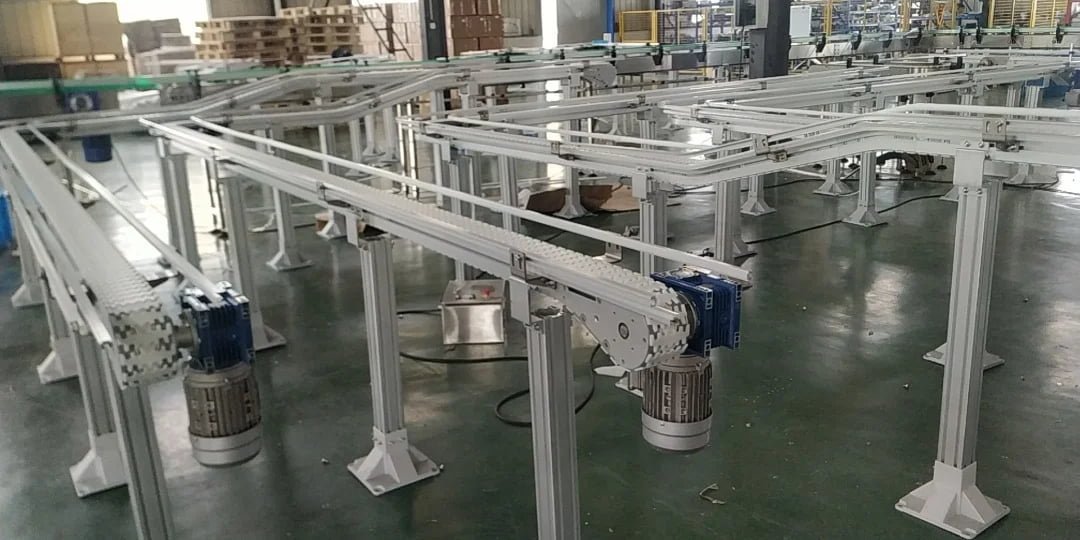
If you want to keep your factory running, you need to understand these machines. Knowing how they work and what parts they use helps you make smart choices. Let us look at the details so you can avoid costly mistakes in the future.
How does a conveyor system work?
Are you unsure about how these machines run? A sudden stop can ruin your whole production day. We need to look at the basic working steps clearly.
A conveyor works by using a motor to turn a drive pulley or a sprocket.3 This turning pulls a continuous loop, like a belt or a chain, along a solid frame. The loop carries the goods from the start point to the end point smoothly.
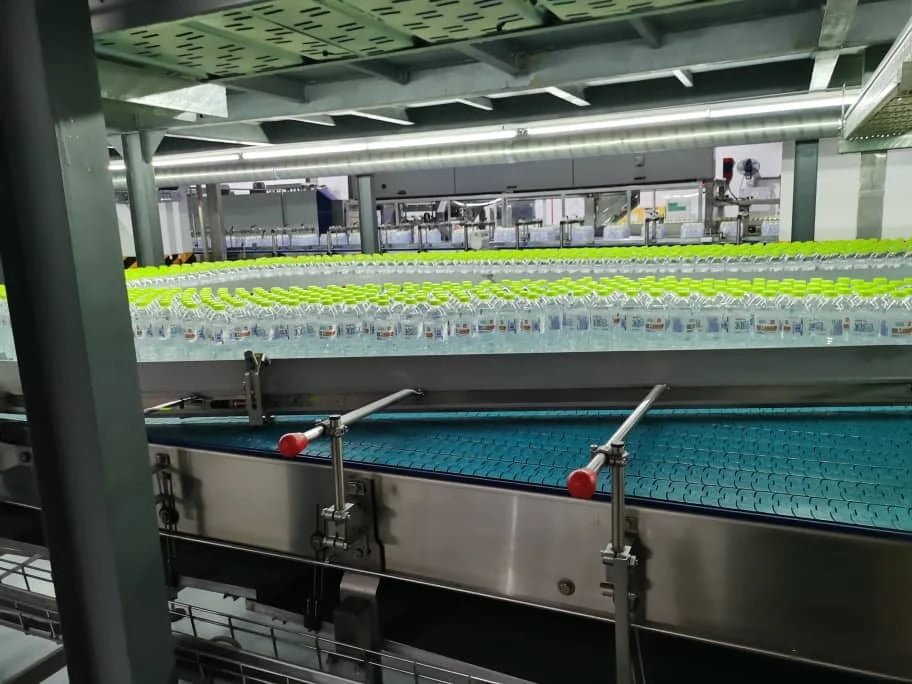
In my 10 years of experience, I see many buyers overthink this process. The working principle of a conveyor is very simple. It is just a motor moving a path. You do not need to be a mechanical expert to understand it. The system relies on continuous motion.
When you turn on the motor, it creates power. This power goes to a gearbox. The gearbox turns a sprocket or a pulley. The sprocket grabs the belt or the chain. Then, the belt moves forward. The frame holds everything up. Guide rails keep the items from falling off the sides. Wear strips sit under the belt. They stop the belt from rubbing too hard against the metal frame.
This continuous motion is the heart of material handling. You do not need to push things by hand anymore. The system does all the heavy work for you. It runs all day and all night without getting tired. Factory owners love this because it makes production very easy to plan. When you know the speed of the motor, you know exactly how many products you will finish in one hour.4
Here is a simple breakdown of the working steps:
| Step | Action | Result |
|---|---|---|
| 1 | Motor starts | Creates turning power |
| 2 | Sprocket turns | Pulls the belt or chain |
| 3 | Belt moves | Carries goods forward |
| 4 | Goods reach end | Move to the next machine |
This simple continuous transport helps factories move items without a break. It is very reliable.
What are the main types of conveyors?
Do you feel lost looking at so many conveyor options? Picking the wrong type wastes your time and money. We need to sort them out right now.
The main types are belt conveyors, chain plate conveyors, modular belt conveyors, and screw conveyors. Belt conveyors move general dry goods.5 Chain plate and modular belt conveyors handle wet or heavy items.6 Screw conveyors move powders.7 Each type fits a very specific factory job.
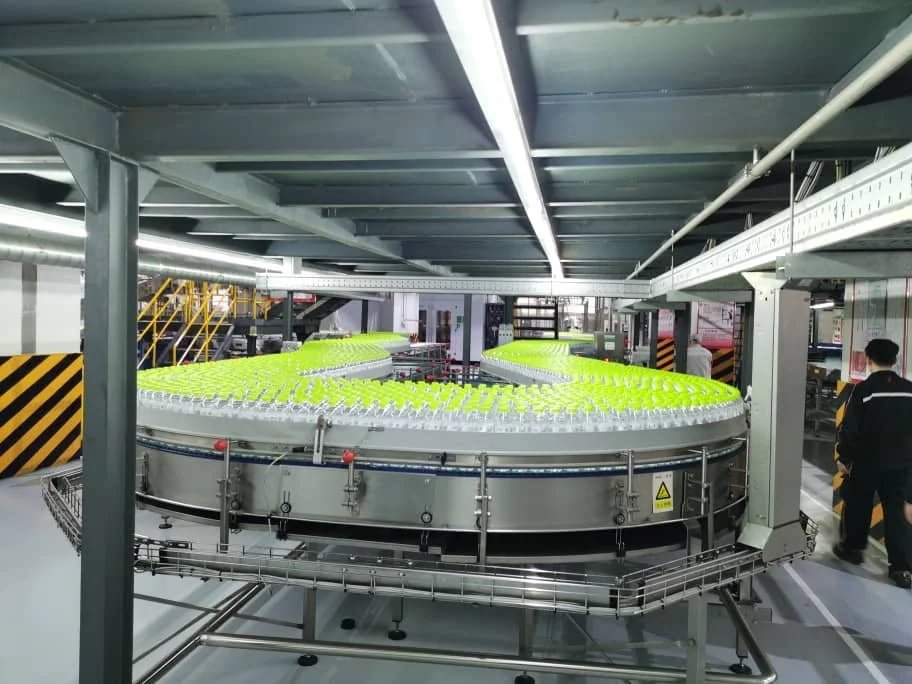
Over the past 10 years, I helped many food and beverage clients pick the right conveyor. You cannot use one type for everything. You must match the conveyor to your product. If you make a mistake here, your line will jam.
Belt conveyors use a flat rubber or plastic belt. They are good for packing boxes or dry goods. But they are hard to clean if you spill sticky food on them. Chain plate conveyors use plastic or metal plates. They are very strong. Breweries use them to move glass bottles. They can get wet and they do not break easily. Modular belt conveyors use small plastic pieces linked together.8 They are great for bakeries and fruit plants. Water goes right through them, so you can wash them fast. Screw conveyors use a large metal screw inside a tube. They push powder or grains.
Each factory is unique. A bakery has ovens and hot pans. They need belts that can handle high heat. A fruit packing plant washes apples with water. They need belts with holes so the water can fall through. A canning plant deals with sharp metal edges. They need very tough chain plates to avoid deep cuts on the belt. You must look closely at your own product before you talk to a supplier. Tell them exactly what you make. Tell them if your product is hot, wet, heavy, or sticky.
Here is a guide to match the type to the industry:
| Conveyor Type | Best Feature | Typical Industry |
|---|---|---|
| Belt Conveyor | Smooth flat surface | General packing, dry goods |
| Chain Plate Conveyor | Strong and durable | Beverages, breweries, canning |
| Modular Belt Conveyor | Easy to clean | Food processing, bakery, fruit |
| Screw Conveyor | Moves loose bulk | Grains, dry chemicals |
Knowing these types helps you talk to your supplier. It makes your buying process much easier.
What components make up a conveyor?
Does your conveyor break down too often? Bad parts cause most of these daily problems. Knowing the right components helps you maintain your system properly.
Key conveyor components include plastic chain plates, modular belts, sprockets, guide rails, side guards, and wear strips. These parts work together to support the belt, guide the products, and drive the movement. Good parts reduce friction and make your machine last longer.
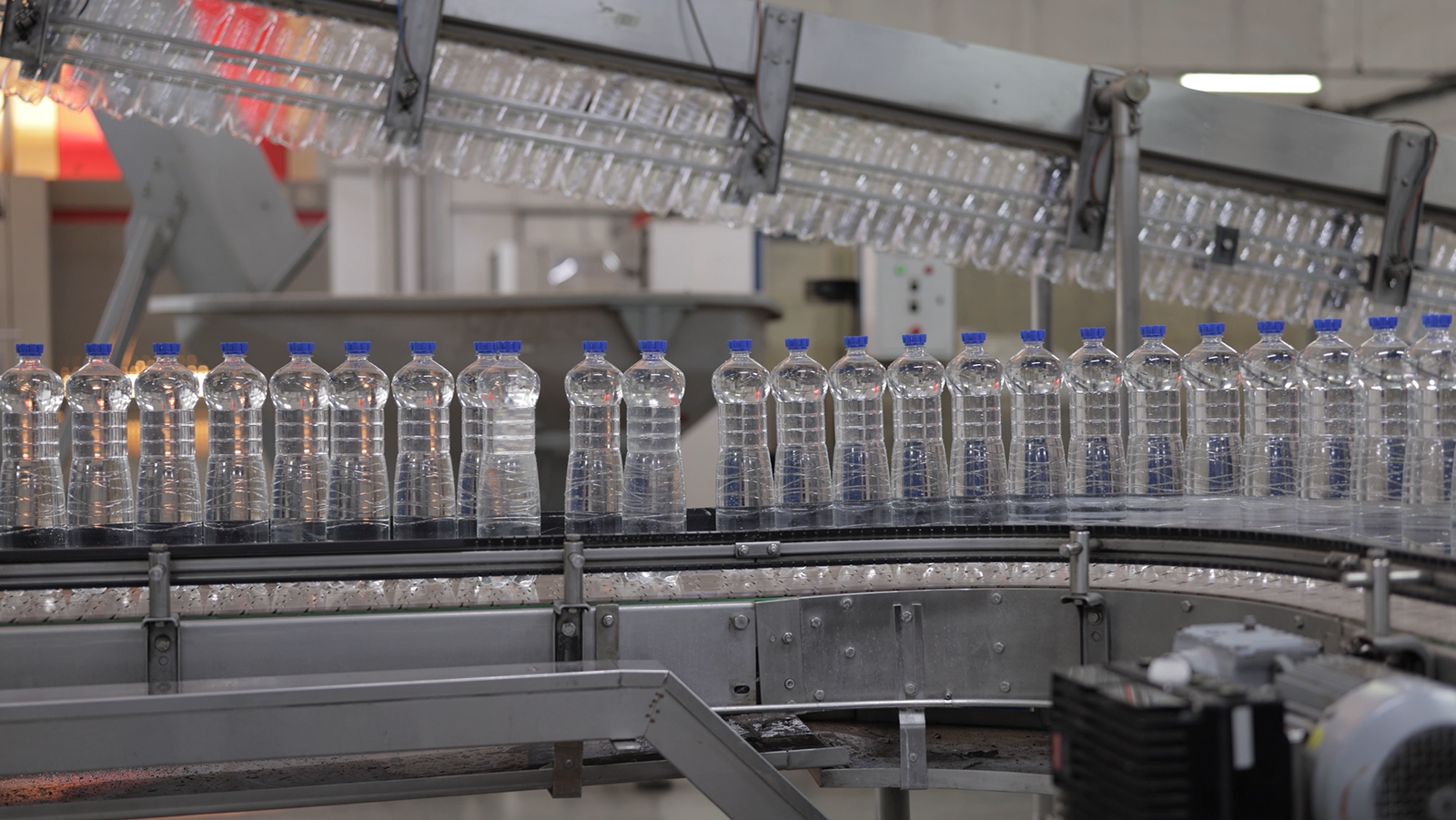
A conveyor is only as good as its parts. Many factory managers ignore the small parts. This is a big mistake. I always tell my clients to focus on the components. If you buy cheap parts, your whole system will fail.
The belt or the chain is the most important part. Plastic chain plates and modular belts carry the actual load. You must pick the right plastic material. Food plants need hygienic plastic. Canning plants need tough plastic. Next, you have sprockets. Sprockets are the toothed wheels that pull the chain. They must match the chain perfectly. If they do not match, the chain will slip and break.
You also need to think about support parts. Guide rails and side guards sit on the edges. They stop bottles and boxes from falling off. I spend a lot of time helping clients find the right sprockets. If a sprocket has the wrong number of teeth, it will ruin a brand new belt in one week.9 The wear strips are also very critical. They are long pieces of smooth plastic. They sit right under the heavy belt. They take all the sliding force. When wear strips get old, the friction goes way up. The motor gets hot. Sometimes the motor even burns out. Replacing old wear strips is cheap. Replacing a burned motor is very expensive.
Here is a clear list of parts and their jobs:
| Component Name | Main Job in the System |
|---|---|
| Modular Belts | Carries the goods |
| Sprockets | Pulls and drives the belt |
| Guide Rails | Keeps items on the track |
| Side Guards | Protects items from falling |
| Wear Strips | Reduces friction under the belt |
When you buy good parts, your maintenance team will have much less work to do.
Why do buyers confuse belt and chain conveyors?
Do you use the words belt and chain to mean the same thing? Mixing them up leads to bad buying choices. We must clarify this difference today.
Buyers often confuse belt conveyors with chain plate conveyors. A belt conveyor uses one single flat piece of material. A chain plate conveyor uses many hard plastic or metal links connected together. They look different and they do very different jobs in a factory.
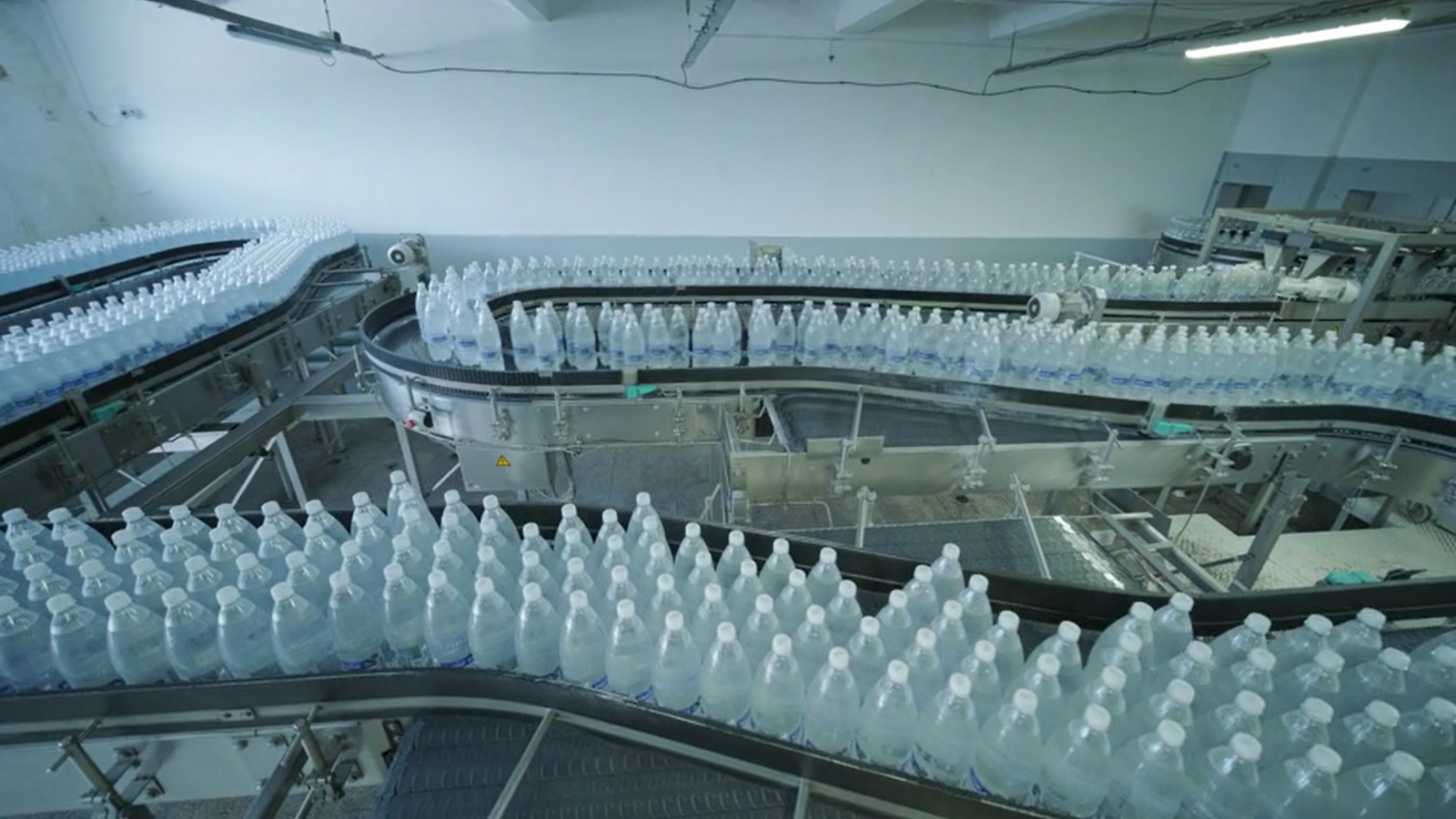
In my daily work, I hear clients mix up these two types all the time. A client will ask me for a belt conveyor. But when I ask about their factory, I find out they wash heavy glass bottles. A standard belt conveyor will break in that wet place. They actually need a chain plate conveyor.
This confusion happens because both machines move things in a straight line. But their structures are totally different. A flat belt conveyor is soft. It stretches over time. If a flat belt tears, you usually have to replace the whole big piece. This takes a long time and costs a lot of money.
A chain plate conveyor or a modular belt is different. It is made of hundreds of small hard pieces. These pieces connect with pins. If one piece breaks, you just pull out the pin. You put in a new small piece. You fix it in five minutes.
Many traders try to sell flat belt conveyors for everything because they are cheap to make. But cheap is not always good. In a pharmaceutical plant, you need a very clean environment. A modular belt is easy to take apart and clean with hot water.10 A flat belt can hide dirt and bacteria in small cracks.11 If bacteria gets into medicine, the whole factory will face a massive problem. So, I always ask my clients deep questions. I want to know exactly how they clean their machines. This stops them from buying a soft flat belt when they really need a hard plastic modular belt.
Let us look at the main differences clearly:
| Feature | Belt Conveyor | Chain Plate Conveyor |
|---|---|---|
| Material | One single soft piece | Many hard connected links |
| Repair | Hard to fix a tear | Easy to replace one link |
| Water Use | Bad for wet jobs | Great for washing lines |
| Load | Light to medium | Heavy and tough |
You must understand this difference before you spend your money. It will save you from making a huge mistake on your production line.
Conclusion
A conveyor is a vital system for any factory. Knowing how it works, its main types, and its parts helps you choose the perfect setup for your business.
"Conveyors - Visual Encyclopedia of Chemical Engineering Equipment", https://encyclopedia.che.engin.umich.edu/conveyors/. According to engineering reference literature, a conveyor is classified as a mechanical material-handling equipment that transports goods along a predetermined path, distinguishing it from other handling methods by its continuous, fixed-route operation. Evidence role: definition; source type: encyclopedia. Supports: Formal definition of a conveyor as a mechanical material-handling system. Scope note: The source provides a general definition but does not address specific conveyor subtypes discussed later in the article. ↩
"[PDF] Automation and Distribution Center Labor Effectiveness: A Case ...", https://digitalcommons.bryant.edu/cgi/viewcontent.cgi?article=1002&context=honors_gscm. Studies in manufacturing efficiency indicate that automated material-handling systems, including conveyors, reduce manual handling time and contribute to throughput improvements by enabling continuous flow along production lines. Evidence role: general_support; source type: research. Supports: Productivity gains and labor reduction from conveyor implementation in manufacturing. Scope note: The cited research addresses general material-handling automation rather than conveyors exclusively, and actual savings vary by application. ↩
"Belt drive transmits power between two rotating shafts ... - Instagram", https://www.instagram.com/reel/DVumlucD_9t/?hl=en. Mechanical engineering references describe conveyor drive systems as utilizing an electric motor coupled to a drive pulley or sprocket, which transmits rotational force to a belt or chain loop to achieve continuous material transport. Evidence role: mechanism; source type: education. Supports: The motor-to-pulley/sprocket power transmission mechanism in conveyor operation. Scope note: The source describes the general principle and does not cover variations such as gravity or line-shaft driven conveyors. ↩
"How Conveyor Speed Impacts Production Line Timing and Accuracy", https://www.q-t-s.com/how-conveyor-speed-impacts-production-line-timing-and-accuracy/. Operations management texts note that conveyor throughput can be estimated from belt speed and product spacing, though actual output also depends on loading consistency, product dimensions, and system downtime. Evidence role: mechanism; source type: education. Supports: The relationship between conveyor speed and production throughput. Scope note: The source indicates that motor speed alone is insufficient for precise output prediction, as other variables significantly affect actual throughput. ↩
"Conveyor Belt Cleaners: A Guide - Goodway Technologies", https://www.goodway.com/hvac-blog/2022/11/conveyor-belt-cleaners-a-guide/?srsltid=AfmBOooMmhX-tWmGPuyBYA9rGu1QOcK_H1zeMoks5-xcw01p-Dp2x5lr. Engineering references classify belt conveyors as suitable for transporting bulk or unit loads of dry, granular, and packaged materials, noting their widespread use in industries such as mining, agriculture, and general manufacturing. Evidence role: general_support; source type: encyclopedia. Supports: Typical applications of belt conveyors for dry goods. Scope note: The source provides general application guidance and does not address specific material compatibility constraints. ↩
"Chain Conveyors: Advantages, Uses & Industrial Applications", https://www.motiontech.co.uk/advantages-of-chain-conveyors. Technical literature on conveyor selection indicates that chain plate and modular belt designs are preferred for wet environments and heavy-load applications due to their open construction, drainage capability, and structural rigidity compared to flat belt alternatives. Evidence role: general_support; source type: education. Supports: Chain plate and modular belt conveyors for wet and heavy applications. Scope note: The source offers general selection guidance; specific load capacities and wet-environment ratings depend on manufacturer specifications. ↩
"Screw conveyor - Wikipedia", https://en.wikipedia.org/wiki/Screw_conveyor. Bulk material handling references describe screw conveyors as rotating helical screw mechanisms enclosed in a trough or tube, commonly used for transporting powders, granules, and semi-solid materials in industries such as food processing, agriculture, and chemicals. Evidence role: general_support; source type: encyclopedia. Supports: Screw conveyors for powder and granular material transport. Scope note: The source covers general applications; specific powder characteristics may require specialized screw designs. ↩
"Modular Plastic Conveyor Belts - Intralox", https://www.intralox.com/products/modular-plastic-belting. Engineering references describe modular conveyor belts as assemblies of interlocking plastic modules connected by hinge pins, forming a continuous belt that can be disassembled for cleaning, repair, or reconfiguration. Evidence role: definition; source type: education. Supports: Construction principle of modular belt conveyors using interlinked plastic modules. Scope note: The source describes the general construction; specific module materials and link designs vary by manufacturer and application. ↩
"[PDF] synchronous belt failure analysis guide", https://data.ntsb.gov/Docket/Document/docBLOB?ID=40414816&FileExtension=.PDF&FileName=Gates%20Belt%20Failure%20Analysis%20Report-Master.PDF. Research on conveyor power transmission indicates that improper sprocket-belt pitch matching causes uneven load distribution, accelerated wear, and premature belt failure, though the specific failure timeline depends on operating conditions and load factors. Evidence role: mechanism; source type: research. Supports: Sprocket-belt mismatch causing accelerated wear and failure. Scope note: The source supports the failure mechanism but does not confirm the one-week timeframe, which varies with operating conditions. ↩
"Ultimate Guide to Conveyor Belt Sanitation - Electro-Steam", https://www.electrosteam.com/blog/ultimate-guide-conveyor-belt-sanitation/. Studies on conveyor hygiene in food processing indicate that modular belt designs, due to their open construction and disassemblable modules, allow more effective cleaning and sanitation compared to continuous flat belts, particularly when high-pressure hot water systems are used. Evidence role: general_support; source type: research. Supports: Ease of disassembly and cleaning of modular conveyor belts. Scope note: The source addresses food-processing environments specifically; cleaning effectiveness depends on the specific sanitation protocol and equipment used. ↩
"Cleaning of conveyor belt materials using ultrasound in a thin layer ...", https://pubmed.ncbi.nlm.nih.gov/23905796/. Food safety research has identified conveyor belt surfaces as potential reservoirs for bacterial contamination, with studies showing that surface imperfections, cracks, and difficult-to-clean areas on flat belts can harbor microorganisms including Listeria and Salmonella species. Evidence role: mechanism; source type: research. Supports: Bacterial contamination risk associated with flat conveyor belt surfaces. Scope note: The source focuses on food-processing contexts; contamination risk varies with belt material, age, and cleaning protocols. ↩